
Solutions Architect Role Design Skills and Enterprise Impact

Why the solutions architect role matters now
In today’s fast-moving world of technology, businesses need smart ways to build and manage their computer systems. This is where the solutions architect steps in. Think of this role like a chief builder who makes sure that every part of a big construction project fits together perfectly, from the foundation to the roof. A solutions architect looks at what a business needs and then designs the best technical plan to meet those needs.

This plan might include choosing the right software, hardware, and network parts. They also make detailed drawings and guides for other teams to follow Solution Architect Job Description Template [2026].
In 2026, many enterprise leaders are dealing with complex technology systems. They need someone who can see the big picture and ensure that all the technology works together to help the company grow. Without a clear plan, companies can run into many problems.
Here are some common challenges a solutions architect helps solve:
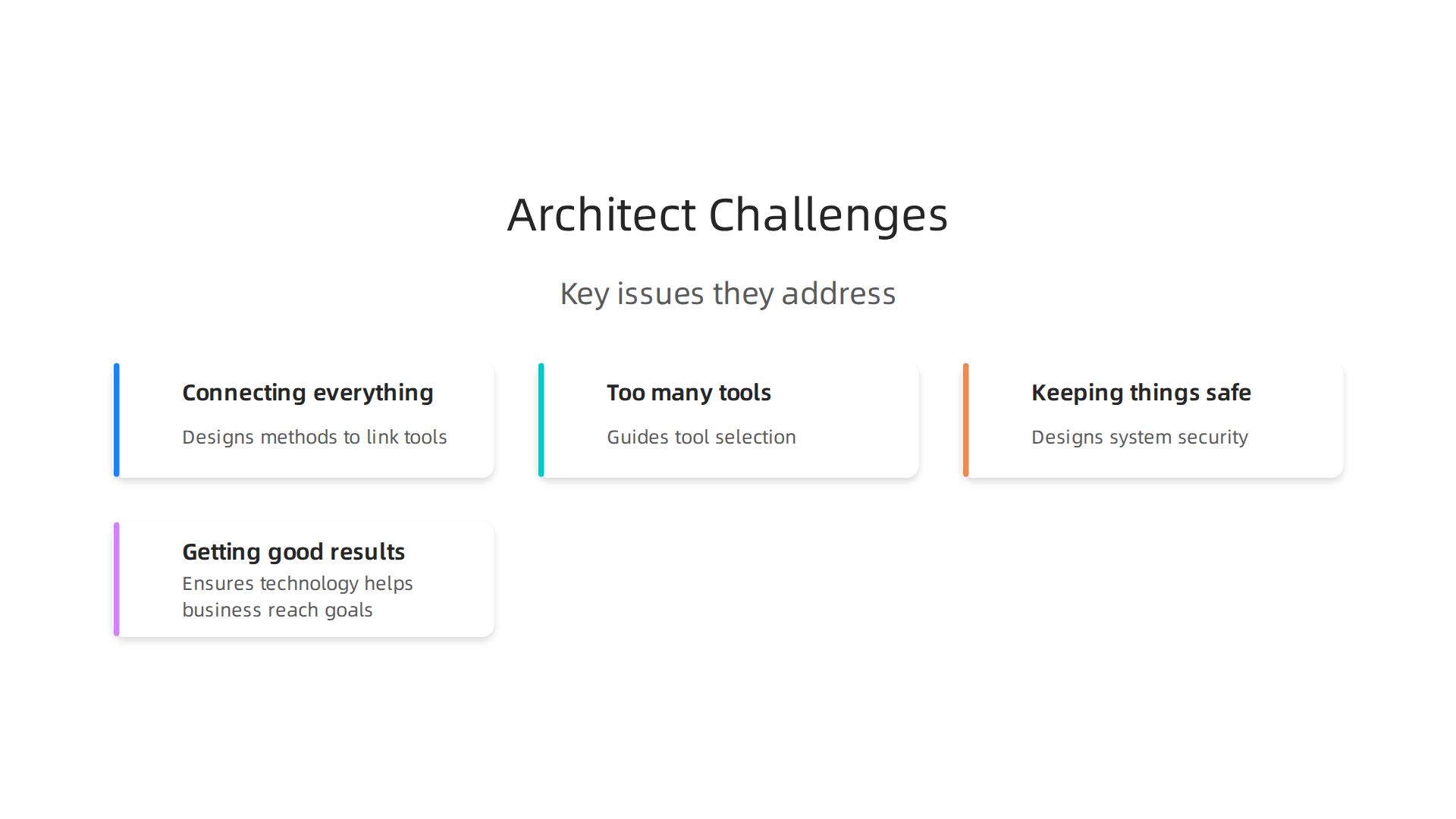
- Connecting everything: Businesses use many different programs and tools. Sometimes, these tools don’t talk to each other. A solutions architect designs ways to link them all up, making sure information flows smoothly. This helps avoid "integration" headaches where different parts of the system are walled off from each other.
- Too many tools: It’s easy for companies to end up with too many software vendors, each offering a different tool. This can get confusing and costly. A solutions architect helps pick the best tools and services, avoiding wasted money and making sure every investment makes sense.
- Keeping things safe: With so much technology, security is a big worry. A solutions architect plans how to keep all systems safe from online threats right from the start. This includes thinking about how different cloud engineer roles and even
devops skillshelp build secure systems. - Getting good results for the money: Companies spend a lot on technology. Leaders want to know they are getting good value, or a strong "ROI" (Return on Investment). The solutions architect makes sure that the technology chosen will truly help the business reach its goals and be worth the cost. This is also why understanding different
system engineer rolesand their functions is crucial for overall success.
In short, the solutions architect makes sure that a company’s technology is smart, safe, and helpful, turning big ideas into working systems. Learning about Platform Engineering in 2026: A Strategic Guide for CIOs and CTOs can further highlight the importance of well-designed systems.
To stay on top of all the latest changes in enterprise AI and technology, many leaders turn to trusted resources. Get clear daily AI updates from The AI Newsletter Worth Reading.
When we talk about what a solutions architect does every day, it’s a mix of talking, drawing, and planning. They are like the lead architect for a house, but for computer systems. Their main job is to take big business ideas and turn them into clear technical plans that others can follow.
Here are the main things a solutions architect is responsible for:

- Understanding Needs: First, a
solutions architecttalks to everyone involved. They listen to what the business wants to achieve, like making a new online store or speeding up how data moves. They also find out what problems the current systems have. They work to truly understand the needs and goals of the company, making sure their plans fit perfectly Solutions Architect. - Designing Solutions: This is the core part. The
solutions architectdraws up detailed plans for how the new technology will work. This includes choosing the right software, hardware, and network setups. They decide how different parts will connect and talk to each other. These plans need to be strong and work well for the business What Is a Solutions Architect (and How Do I Become One)?. They might even lead reviews of these plans with other engineering teams Solutions Architect Job Description Template 2026. - Making Blueprints: Just like a house builder uses blueprints, a
solutions architectcreates special drawings and documents. These explain everything in detail so that other teams, like coders orcloud engineer roles, know exactly how to build and put the system together. - Choosing Technologies: There are so many tools and programs out there. The
solutions architectpicks the best ones for the job, always keeping the company’s goals and budget in mind. They look at what will work best and last long. - Guiding Teams: Once the plan is ready, the
solutions architectworks closely with other tech teams. They explain the design, answer questions, and make sure everyone is building the system the right way. This often involves working with people who havedevops skillsto make sure the system can be built and updated easily. - Keeping Things in Line: They also make sure that new solutions follow the company’s rules and big-picture technology plans. This helps keep everything simple and safe as the business grows.
How a Solutions Architect is Different from Other Roles
It’s easy to get confused about the many different roles in technology. While a solutions architect plans the solution for a specific problem or project, other roles have different focuses:
- System Architect: A system architect usually focuses on a single, big system or product. They dive deep into how that one system works down to the smallest detail. The
solutions architectlooks at how many systems work together for a business goal. You can learn more about key engineering roles, including specificsystem engineer roles, by checking out Key Software Development Engineering Roles and Skills. - Enterprise Architect: An enterprise architect thinks about the technology for the entire company over many years. They set big rules and directions for all tech decisions. A
solutions architectworks within these rules to solve more immediate, specific business problems. - Technical Lead: A technical lead usually works within one team, helping coders build the software day-to-day. They focus on the code and making sure the small parts work. The
solutions architectlooks at the whole picture across many teams and systems, making sure the overall plan is sound.
In short, the solutions architect acts as a bridge between big business needs and the detailed tech work. They make sure that every technology project starts with a clear, smart plan.
To build those smart plans, a solutions architect needs a strong toolbox of technical skills. Think of them as the expert craftspeople who know which tools to use and how to put them together. They need to understand how different technologies work and how they can help a business grow.
Here are the key technical areas a solutions architect must know:
- Cloud Architecture: Today, most new systems live in the "cloud." This means they use computers and storage over the internet from big companies like Amazon (AWS), Microsoft (Azure), or Google (GCP). A
solutions architectmust know how to design systems that work well in these cloud environments. They learn how to make systems reliable, safe, and not too expensive. In fact, cloud-specific knowledge is a top skill for solutions architects in 2026, often mentioned with platforms like AWS, GCP, and Azure Solutions Architect Resume Skills & ATS Keywords (2026). - APIs and Data Connection: APIs are like special doors that let different computer programs talk to each other. A
solutions architectneeds to know how to design these doors so that systems can share information smoothly. They also understand how to bring together data from many places, like connecting a sales app to a customer service tool. - Security: Keeping computer systems safe from bad actors is super important. A
solutions architectmust plan for security from the very start, making sure that data is protected and only the right people can access it. - Infrastructure as Code (IaC): This is a fancy way of saying they use code to set up computer servers and networks. Instead of clicking buttons, they write instructions that computers follow. This makes building and changing systems much faster and less prone to mistakes. Teams with
devops skillsoften use IaC to speed up their work. If you want to dive deeper into how technology leaders manage IT, consider reading about future-proof your IT infrastructure management for 2026. - AI and Machine Learning Basics: As of 2026, understanding how to use Artificial Intelligence (AI) and Machine Learning (ML) is becoming more and more important. Many job postings for
solutions architectroles now ask for these skills, showing that almost 36% of active postings include some form of AI requirement Solutions Architect AI Demand Splits 17x by Employer in …. Solutions architects might design systems that use AI to make predictions or help customers.
Cloud Expertise and Special Tools
While a solutions architect needs to know general ideas that work across many tools (vendor-neutral skills), they also need to be very good at using specific cloud platforms. For example, knowing AWS (Amazon Web Services), Azure (Microsoft), or GCP (Google Cloud Platform) inside and out is crucial. Many companies pick one or two of these big cloud providers, and solutions architect roles often focus on one.
Certifications are a big deal here. The AWS Certified Solutions Architect Associate certification, for example, is often called the most in-demand cloud certification in 2026, with tens of thousands of job listings mentioning it The 10 Most In-Demand IT Certifications of 2026 (Based on …. Other top certifications for a solutions architect might include those from Microsoft or Google, or even more general ones like TOGAF 12 Best Solutions Architect Certifications in 2026. These certifications show that a solutions architect has proven knowledge in specific areas. You can find out more about what it takes to work with cloud systems by checking out a cloud engineer career and hiring guide for 2026.
These skills allow a solutions architect to craft smart, effective technology plans that meet business goals and keep up with the fast pace of technology in 2026. For those in leadership roles, keeping up with these trends, especially in AI, is critical.
Get clear daily AI updates from The AI Newsletter Worth Reading.
A solutions architect does more than just design technical systems; they play a huge role in how a company chooses and buys its technology. They are like expert advisors who help pick the right tools and partners, making sure these choices align with the company’s big goals. This influence starts long before any actual building begins.
Shaping Technology Choices
When a company needs new software or services, like a new customer database or a tool to manage sales, it often sends out a Request for Proposal (RFP). This is like asking different companies to show how their products can help. The solutions architect is key here. They help write the technical parts of the RFP, clearly stating what the new system needs to do. This ensures that all bids cover the true needs of the business.
Next, they are deeply involved in evaluating what different vendors offer. They look closely at technical documents and even lead "proof-of-concept" projects. These projects are small tests to see if a vendor’s solution really works as promised and fits with the company’s existing technology. This kind of careful check is called technical due diligence. It’s how they make sure a new system will not cause problems later and works well with everything else. For example, some companies use a central team for these big architectural decisions, while others let different parts of the business choose their own tools, impacting how solutions architects operate within those structures, as seen in various enterprise architecture operating models in 2026 Enterprise architecture operating model & governance (2026).
Understanding Costs and Risks
Beyond just making sure things work, a solutions architect also thinks about the long-term effects of technology choices. They analyze the total cost of ownership (TCO). This isn’t just the sticker price; it includes ongoing costs for maintenance, updates, and even how much time staff spend managing the new system. They look at how a system will scale over time and what that means for expenses.
They also help businesses avoid "vendor lock-in." This happens when a company becomes so tied to one vendor’s products that it’s very hard or expensive to switch to another. A smart solutions architect designs systems that are flexible, using common tools and standards. This gives the company more freedom and better prices in the future. For leaders making these big decisions, it’s about choosing wisely for the long haul. Understanding these choices is vital, especially when it comes to areas like Mastering IT Management Platform Selection for Enterprise Leaders.
Finally, they assess vendor risk. This means looking at how stable a vendor is, how secure their products are, and how much support they offer. If a vendor suddenly goes out of business or their software has many security flaws, it can cause big problems for the company. A good solutions architect considers all these points, helping to pick partners that are reliable and safe. They work closely with other technical experts, including those in system engineer roles, cloud engineer roles, and teams with strong devops skills, to ensure every aspect of a vendor’s offering is thoroughly evaluated.
A solutions architect does not work in a vacuum; their place within a company’s structure greatly changes what they do and who they talk to. Understanding this helps us see how they make decisions.
Organizational Placement: Where Solutions Architects Sit and Who They Report To
The reporting line for a solutions architect can be different depending on the company. Often, they report to leaders like the Chief Technology Officer (CTO) or the Head of Engineering. When reporting to a CTO, the solutions architect often works on bigger, company-wide tech plans, making sure new systems fit with the overall vision. If they report to a Head of Engineering, their focus might be more on the day-to-day building and running of technology, ensuring projects are well-designed and can be built by engineering teams.
Sometimes, a solutions architect might report to a Head of Enterprise Architecture. This means their job is more about making sure all the technology across the company works together like a well-oiled machine, following certain standards and rules. Other times, they might report to a product leader. In this setup, their work is very focused on making sure a specific product or service is built correctly to meet customer needs. This direct link means they can design solutions that are just right for that product.
Team Models and Their Trade-Offs
Companies set up their solutions architect teams in different ways, each with pros and cons.
-
Centralized Architecture Teams: In this model, there’s one main team of
solutions architectswho oversee all big architecture decisions for the whole company. This approach helps create strong rules and standards, ensuring all parts of the business use similar technology solutions. It can lead to high consistency and easy sharing of knowledge among architects, as shared by some experts [Niek de Visscher’s Post – LinkedIn]. However, this model can sometimes be slow to respond to the unique needs of different product teams and might feel far from the daily work of building things [Crafting the optimal model for the IT architecture organization]. This setup is often a good fit for companies that need very strict control over their technology choices. For leaders wanting to dive deeper into how these different architectural setups impact strategy, exploring resources on Platform Engineering in 2026: A Strategic Guide for CIOs and CTOs can be very helpful. -
Distributed or Embedded Architects: Here,
solutions architectsare placed directly within smaller project or product teams. They work closely with these teams, helping to design solutions specifically for that team’s goals. This model allows for faster work and means the architect has a very deep understanding of the product they are working on, helping teams take full ownership [Embedded vs. Centralized DevOps: Choosing the Right … – Medium]. This can make teams more agile and quicker to deliver new features. The downside is that it can sometimes be harder to keep all company-wide technology choices consistent, and different teams might end up using varied solutions for similar problems.
In both models, solutions architects work hand-in-hand with other tech roles.

For example, a cloud engineer might report to a product team and work closely with an embedded solutions architect to design cloud-based systems. Similarly, people in system engineer roles and those with strong devops skills are key partners in making sure these architectural designs can be built, managed, and run smoothly. No matter the setup, the goal is always to build technology that helps the company succeed.
Staying informed about these evolving roles and structures is key for any enterprise leader in 2026.
Staying informed about these evolving roles and structures is key for any enterprise leader in 2026. This also means understanding how to measure the real value a solutions architect brings to the table. It’s not always easy to put numbers on good design or smart planning, but it’s important to try.
Measuring impact: KPIs and outcomes for solutions architects
A solutions architect does vital work, making sure technology plans are sound and can be built. But how do we know they are doing a great job? We can look at special numbers called Key Performance Indicators (KPIs) and also at other good things that happen because of their work.
Key Performance Indicators (KPIs) for Solutions Architects
Here are some measurable ways a solutions architect shows their value:
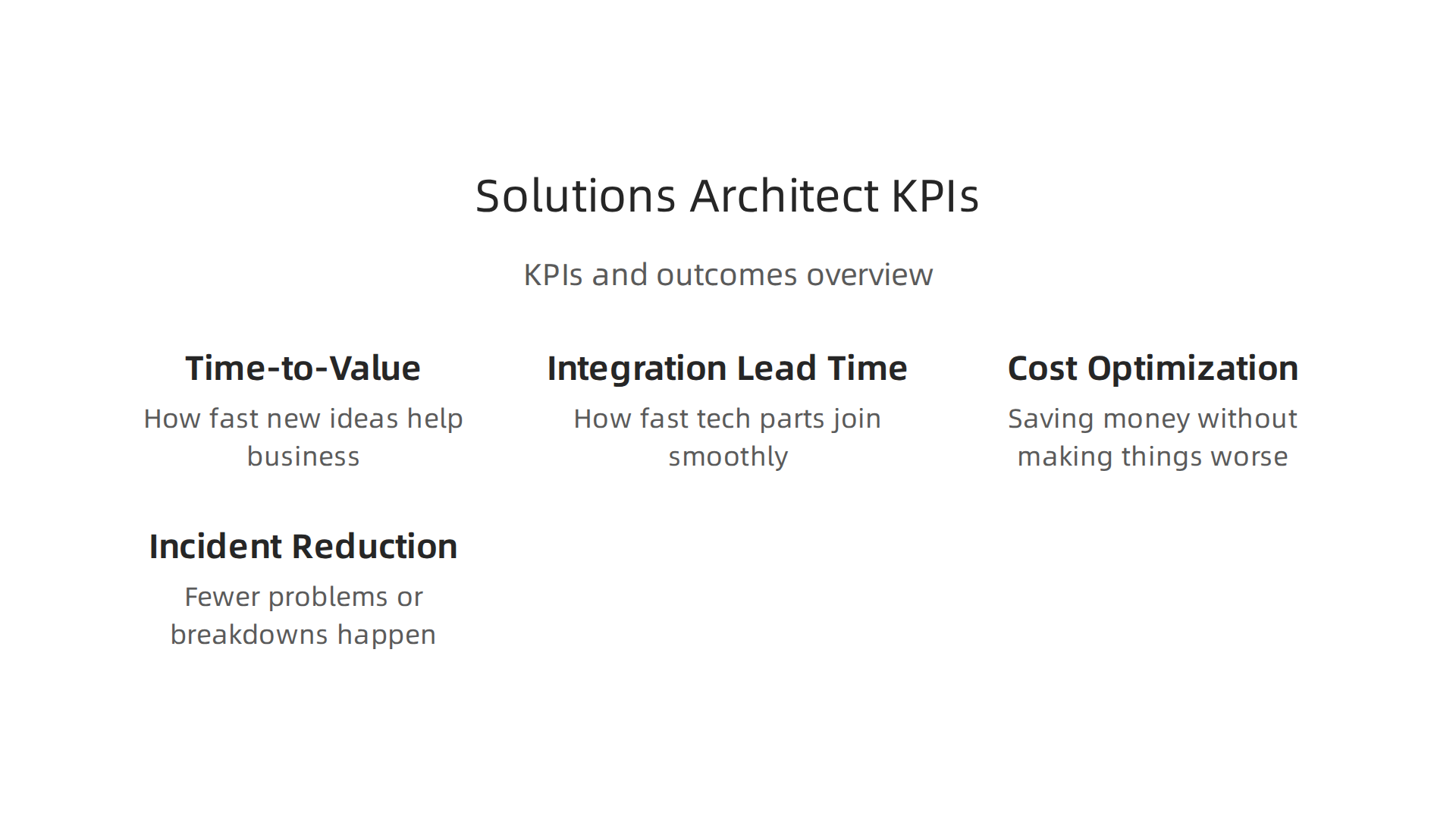
- Time-to-Value: This looks at how fast new technology ideas or projects actually start helping the business. A good
solutions architectdesigns systems that can be built and used quickly, so the company sees benefits sooner. For instance, if a new feature gets to customers faster because of a smart design, that’s a win. Experts suggest tracking how quickly services are restored after a problem, which is part of measuring technology leadership performance in 2026, often using a framework called DORA metrics [How to Measure Technology Leadership Performance in 2026]. This helps show how well designs prevent big issues or recover from them. - Integration Lead Time: Many new systems need to connect with old ones or with systems from other companies. This KPI measures how fast different parts of the tech puzzle can be joined together smoothly. A
solutions architecthelps here by designing clear ways for systems to talk to each other, cutting down on delays. - Cost Optimization: This means saving money without making things worse. A
solutions architectcan help by choosing smart technologies, avoiding unnecessary expenses, or making sure resources like cloud services are used wisely. Keeping an eye on IT cost optimization is a top KPI for enterprise architecture that leaders watch closely [Enterprise Architecture KPIs Your Board Wants to See]. This shows how their designs lead to efficient spending. - Incident Reduction: This KPI tracks how often big problems or breakdowns happen with the technology. A well-designed system, thanks to a
solutions architect, should have fewer errors and work more reliably. When they reduce technical debt, like old code that causes problems, they make systems more stable. Tracking things like "production incidents per week/month" helps understand the cost of these problems [Measuring Technical Debt: KPIs, Tools & Dashboards].
It’s important to remember that the solutions architect might not be the only one making these numbers look good. Other roles, like those in cloud engineer roles who build the systems or system engineer roles and teams with strong devops skills who keep them running, also play a big part. However, the architect’s design choices are often the starting point for these good outcomes. They make sure the overall plan helps everyone succeed.
For enterprise leaders looking to further understand how various technical skills contribute to overall business success and efficiency, it’s helpful to explore resources like The 2026 List of Technical Skills Enterprise IT Leaders Must Know.
Qualitative Outcomes: Beyond the Numbers
Not everything can be easily measured with a number. A solutions architect also creates other kinds of value:
- Stakeholder Trust: When a
solutions architectconsistently provides good, clear advice and designs that work, other business leaders, project managers, and team members start to trust them more. This trust makes future projects easier and helps everyone work together better. - Cross-Functional Enablement: This means helping different teams work more effectively. A
solutions architectoften acts as a bridge, explaining complex technical ideas to non-technical people and making sure all technical teams, from developers to those insoftware infrastructure engineer roles, understand the shared vision. This helps everyone move in the same direction. - Vendor Negotiation Leverage: With a clear understanding of the technology landscape and what the company truly needs, a
solutions architectcan help during talks with outside tech companies. They can ask the right questions and suggest better solutions, leading to better deals and technology that fits the company’s needs perfectly.
Ultimately, the best solutions architect not only builds great plans but also helps the whole team deliver projects faster and more reliably. They contribute to a company that is more agile and ready for the future.
To keep up with the latest advancements in technology and leadership that influence these roles, consider getting clear daily AI updates. You can find essential insights by subscribing to The AI Newsletter Worth Reading.
Finding and keeping a great solutions architect is just as important as knowing what makes them valuable. These experts are key to making sure your technology works well and helps your business grow. So, let’s look at how to find the right person for the job and help them succeed.
How to Evaluate Candidates for Solutions Architect Roles
When you’re looking to hire a solutions architect, you need to check for a few main things beyond just technical skills:
- System Design Thinking: Can they take a big problem and break it down into smaller, workable parts? Do they think about how different pieces of technology will fit together? They should be able to design systems that are both strong and easy to change later.
- Trade-Off Reasoning: In the real world, you can’t always have everything perfect. A good
solutions architectunderstands that choosing one path means not choosing another. They can explain the good and bad parts of different ideas and help decide the best way forward for the business. - Stakeholder Communication: This person needs to talk to everyone, from technical teams like
cloud engineer rolesandsystem engineer rolesto business leaders who don’t know much about tech. They must explain complex ideas clearly so everyone is on the same page. This is a very important skill.
During interviews, companies often use different steps. This can include an initial phone chat, then a deeper technical assessment, and finally interviews focused on their role and behavior. You can expect solutions architect interviews to involve multiple rounds [Solutions Architect Interview Questions & Answers 2026].
Practical Tips for Hiring a Solutions Architect
To truly see what a candidate can do, consider these ideas:
- Interview Tasks: Give candidates a business problem and ask them to design a technical solution. This shows their thinking process and how they handle real-world challenges. Such exercises are common in
solutions architectinterviews [Example Interview Guide for Solutions Architect]. They need to show they can design, present, and even help build complex solutions [NiCE Solutions Architect Interview Questions & Guide 2026]. - Focus on Problem-Solving: Look for how they approach problems and suggest solutions, not just if they know all the answers. Their ability to work through a challenge is often more important than memorized facts.
- Assess Broader Technical Knowledge: While they don’t build everything themselves, a strong
solutions architectunderstands the basics of many technical areas. This includes knowing aboutdevops skills, cloud computing, and different types of software. Exploring different career paths, like those forcloud engineer roles, can give an idea of the wide range of knowledge needed in this field [Cloud Engineer Career and Hiring Guide for 2026].
Onboarding Milestones: The First 90 Days
Once you’ve found your solutions architect, the work isn’t over. How you bring them into the company makes a big difference. A good onboarding plan, often called a 30-60-90 day plan, helps new hires settle in and start contributing quickly.
Here’s how these plans typically break down:
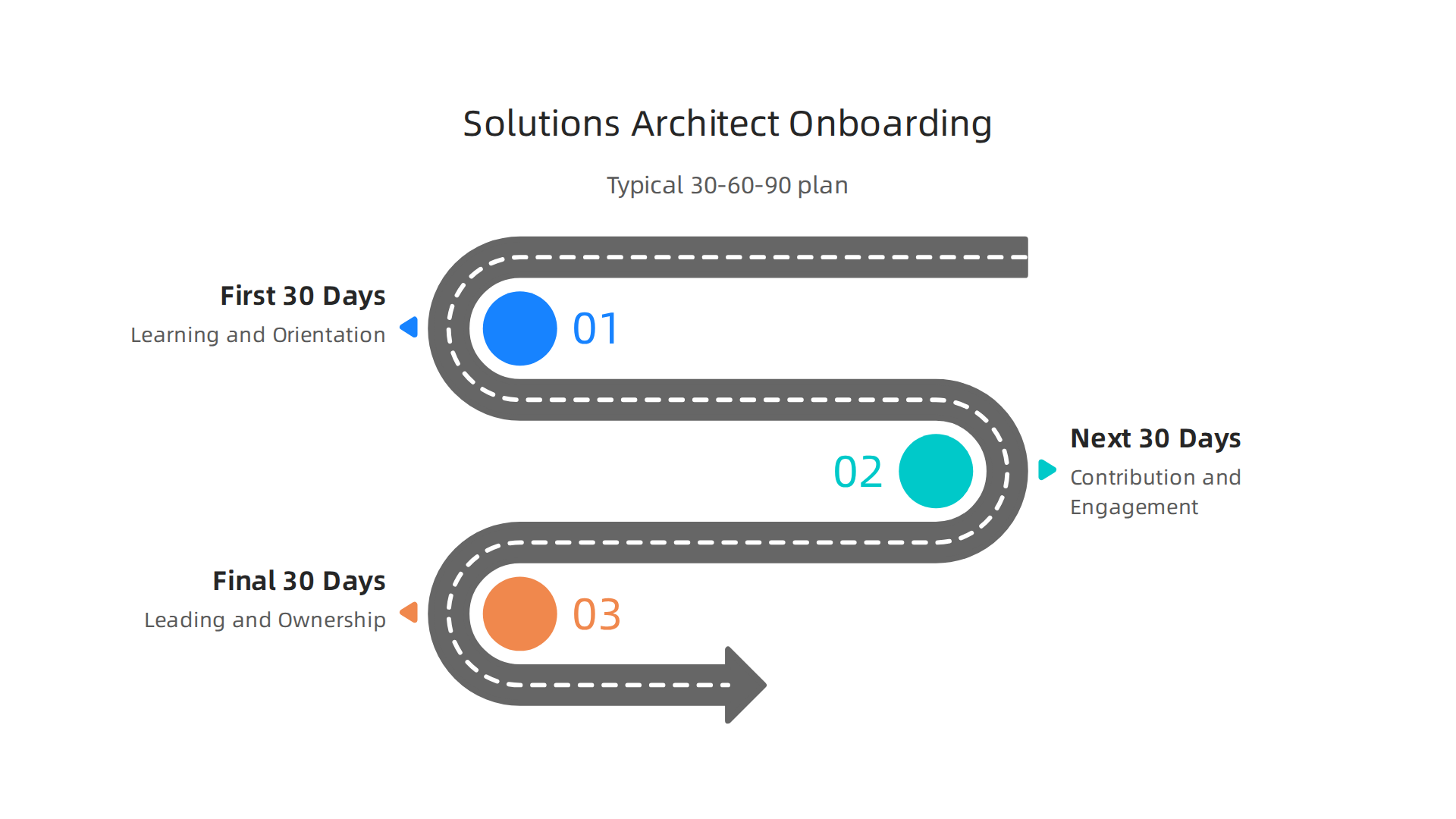
- First 30 Days: Learning and Orientation. The goal here is for the new
solutions architectto understand how your company works. This includes meeting key people, learning about ongoing projects, and getting familiar with your company’s systems and goals. They should have a clear schedule with meetings already set up [The Hiring Process: 8 Steps From Job Req to Day One (2026)]. It’s a time to absorb information and complete initial setup tasks [30-60-90 Day Onboarding – HR Cloud]. - Next 30 Days (Days 31-60): Contribution and Engagement. During this time, the
solutions architectshould start taking on smaller tasks and getting involved in discussions. They might help with analysis or contribute to minor improvements. The focus shifts from just learning to actively participating [Engineering Onboarding Framework (30-60-90 Day Plan)]. - Final 30 Days (Days 61-90): Leading and Ownership. By the end of the first 90 days, the
solutions architectshould be ready to lead design reviews, take on more complex projects, or even produce their first big piece of work. They should be building momentum with clear, set goals [Onboarding Architects: An Overlooked Yet Critical Step]. Regular check-ins help catch any confusion early [10 Best Practices for Onboarding Engineers in 2026].
This structured approach helps ensure your new solutions architect feels supported, understands expectations, and can quickly become a valuable part of your team. Checking in around the 90-day mark is a good way to see how they’re doing [Onboarding Interview Questions: 30/60/90-Day Guide (2026)]. By having clear goals and support, companies can better keep their talented solutions architects for the long run.
Summary
This article explains why the solutions architect role is critical for modern enterprises and what these professionals actually do. It covers the role’s core responsibilities—understanding business needs, designing technical blueprints, choosing technologies, guiding teams, and ensuring security and cost-effectiveness—and contrasts the job with related positions like system, enterprise, and technical leads. The piece also outlines the technical toolbox required in 2026 (cloud architecture, APIs, IaC, security, and basic AI), certification priorities, and how placement within an organization (centralized or embedded) changes priorities. Practical guidance includes vendor evaluation, avoiding lock-in, and measuring value through KPIs such as time-to-value, integration lead time, cost optimization, and incident reduction. Readers learn how to hire and evaluate candidates, what interview and onboarding steps to use, and how to align architects with product and enterprise goals. The article is aimed at CIOs, CTOs, hiring managers, and tech leaders who need to structure teams, hire the right talent, and measure architecture impact.