
Key Software Development Engineering Roles and Skills in 2026

Why understanding software development engineering roles and skills matters in 2026
In 2026, software is at the heart of nearly every business. From how we talk to customers to how we run daily tasks, good software makes a big difference. This means that knowing about software development engineering roles and the skills people need for them is super important for any company wanting to do well and grow.

It’s not just about making code; it’s about building the future of your business.
Companies that get this right can change how they work, reach new customers, and stay ahead of others.

This is why how you hire and set up your software development engineering teams is a big part of your business plan. It’s about putting the right people in the right spots to make important projects happen. To learn more about the broader picture, consider reading about the enterprise technology domains every leader must understand in 2026.
However, many large software projects face big problems. Sometimes, companies don’t have people with the right skills, or they’re not clear about what each person’s job is. This can be true for a professional engineer working on complex systems or a dedicated QA engineer making sure everything works as expected. Poor teamwork or a lack of specific knowledge can make these projects risky and sometimes cause them to fail. For example, modern software engineers need to be good at designing systems that can grow and handle many users, and they must also work well with different teams.
What kind of skills are we talking about in 2026? Well, technical skills are still key. For instance, knowing coding languages like Python, Java, and JavaScript is very important. Many job postings in 2026 mention Python as a top skill, especially with its use in AI and data science, followed by expertise in machine learning and cloud platforms like AWS and Azure. More than just coding, skills in tools like Git, Docker, and Kubernetes are also in high demand according to a recent analysis of job postings Software Engineer Skills Companies Want in 2026.
But it’s not just about technical smarts. Soft skills for software engineer roles are also super important. Things like solving problems, thinking clearly, and working well with others matter a lot. Companies also expect engineers to be good at writing clean code and adapting to new technologies quickly. Even understanding how to work with AI coding tools and integrate them into projects is now a common expectation for software engineers in 2026. This blend of technical know-how and people skills is what makes a great software development engineering team today.
To stay on top of all the fast changes in technology, especially with AI, it’s helpful to get regular updates.
The AI Newsletter Worth Reading delivers clear daily AI updates to help you keep pace.
Core software development engineering roles: definitions and responsibilities
Knowing the different jobs in software development engineering is key to building strong teams.
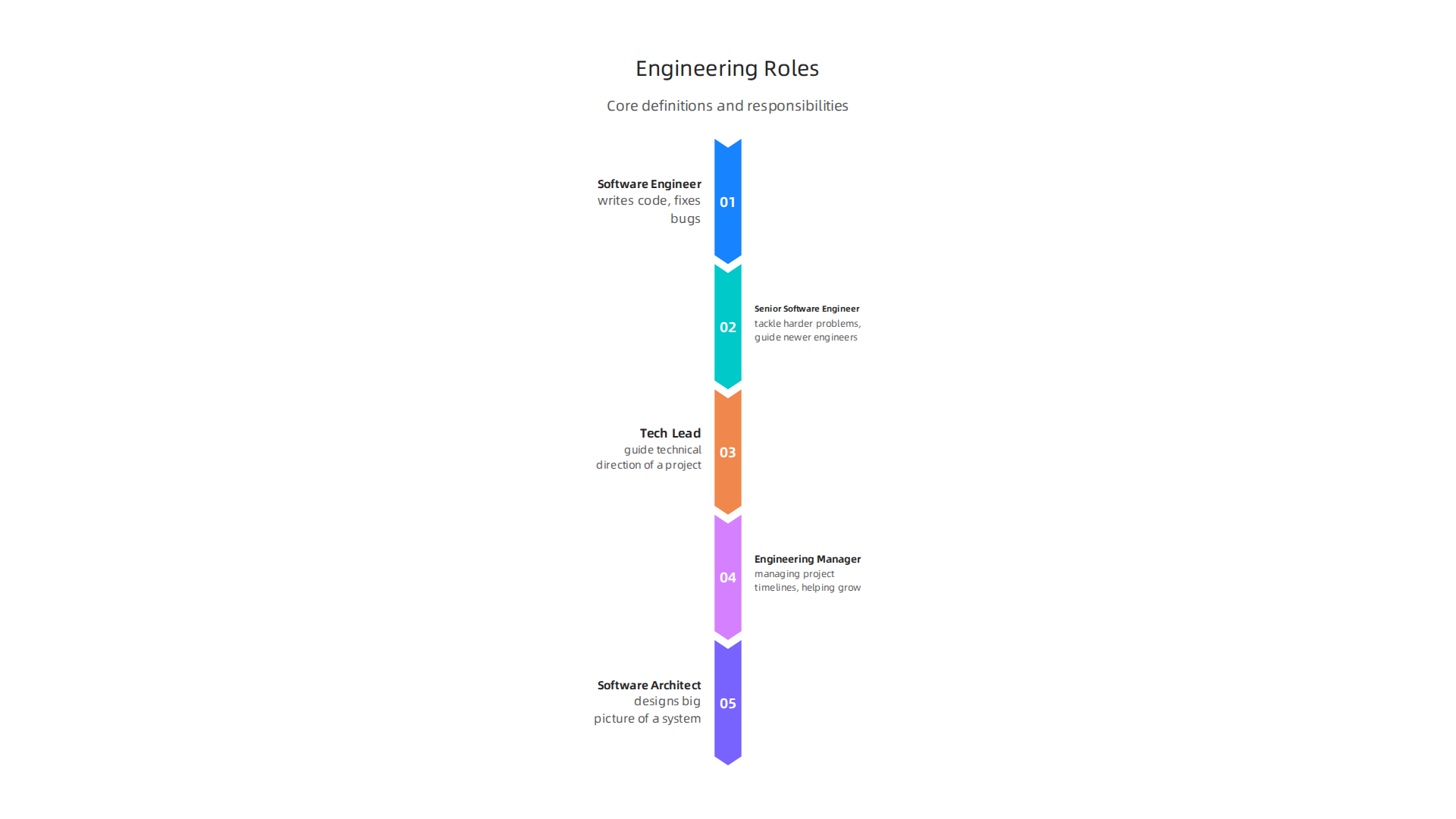

In 2026, these roles often fall into two main paths: those who focus on building things (Individual Contributors or ICs) and those who manage people and projects (Managers). Both are very important for a company’s success.
Let’s look at the common roles:
- Software Engineer: This is often an entry-level role. A software engineer writes code, fixes bugs, and tests software. They work on specific parts of a project, making sure the code is clean and works well. They need strong technical skills, and companies often look for a good understanding of core engineering practices.
- Senior Software Engineer: A senior software engineer does more than just code. They tackle harder problems, help design bigger parts of the software system, and sometimes guide newer engineers. They have more experience and can make important technical choices. Building clean, well-organized code is a must for these roles Software engineer salary in 2026: Skills, career path and pay.
- Tech Lead: This person often stays very technical but also helps lead a small team. They might guide the technical direction of a project, make sure everyone is following best practices, and still write a lot of code themselves. They bridge the gap between pure coding and team guidance.
- Engineering Manager: When a professional engineer moves into management, they become an engineering manager. Their main job is no longer writing code. Instead, they focus on their team members. This includes helping them grow, managing project timelines, and making sure the team has what it needs to succeed.
- Software Architect: An architect designs the big picture of a software system. They decide how different parts of the software will work together and what technologies to use. They think about how the system can grow and be used by many people. They set the technical vision for larger projects.
It is helpful to know that some roles, like a Platform Engineering in 2026 role, focus on building tools and systems that other engineers use. There are also specialized roles like a QA engineer, whose job is to test software thoroughly to find problems before users do.
The big difference between the IC path and the managerial path is what you focus on. ICs deepen their technical knowledge and impact through code and system design, while managers shift to leading people and making sure projects get done. Both paths need good problem-solving and communication skills, showing how vital soft skills for software engineer roles are at every level.
After learning about the different jobs in software development engineering, it’s time to talk about the skills that make a great engineer.

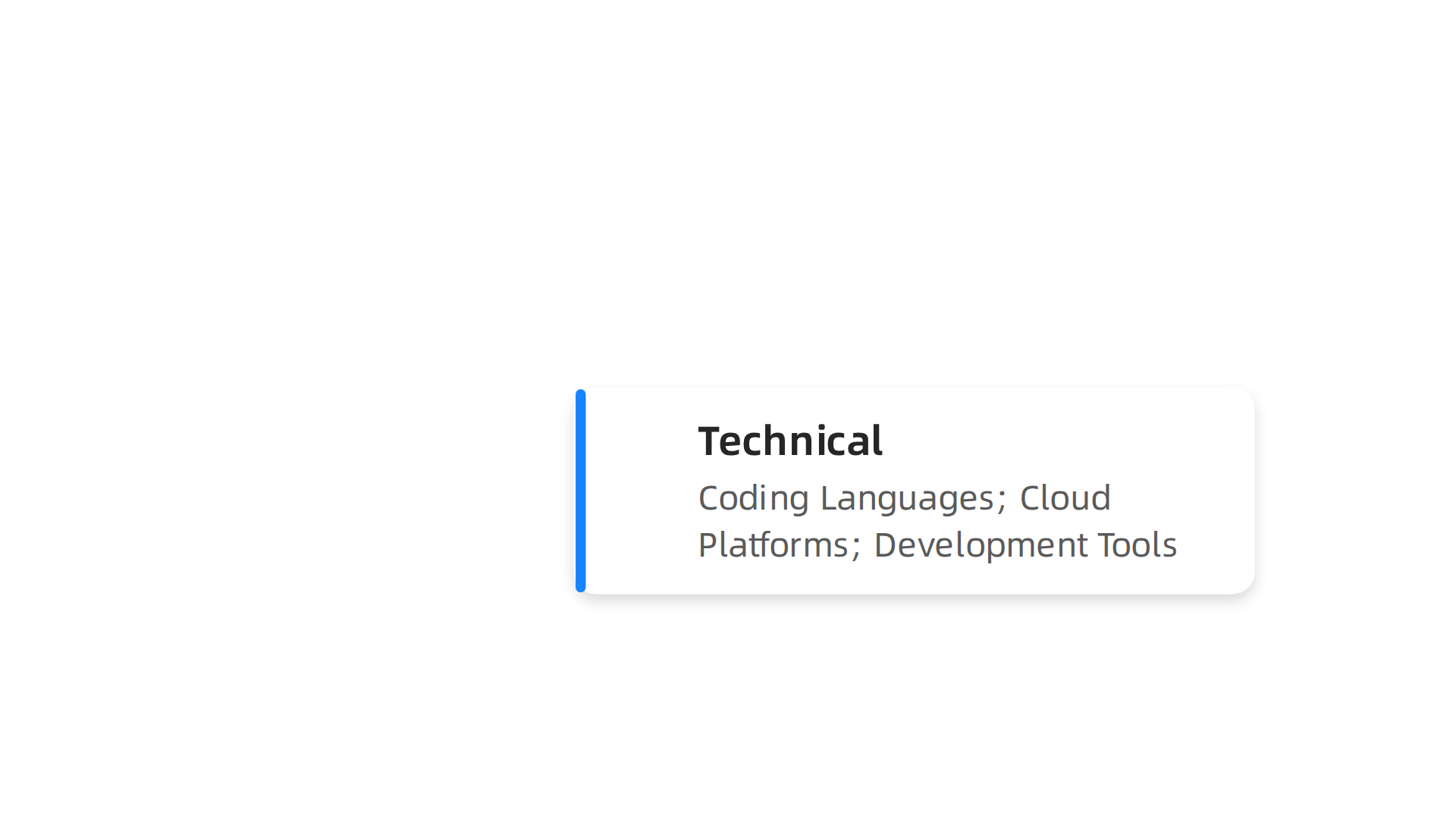
These skills fall into three big groups: technical skills, product skills, and soft skills.
All of them are very important for building good software and for helping a team work well together.
Technical Skills: The Tools of the Trade
Technical skills are about knowing how to use tools and write code. In 2026, companies want to see a mix of programming know-how and new tech skills.
- Coding Languages: Python is a top skill, used by 56% of companies hiring, especially for AI and data work Reveal IT Talent Survey: Top Technology Roles and Skills for 2026. Other popular languages are Java, JavaScript, TypeScript, C++, and C# Software Engineer Skills Companies Want in 2026: 48K-Posting ….
- Cloud Platforms: Working with cloud services like AWS, Azure, and Google Cloud is also very much in demand Global Software Engineering Jobs Outlook 2026 – UBOS.tech. Many job postings mention these platforms.
- Development Tools: Skills like using Git for code control, Docker and Kubernetes for managing applications, and CI/CD for quick code updates are key for any professional engineer Global insights on Software Engineering, AI and Devops job openings.
- AI and Machine Learning: A big change for 2026 is how important AI skills are. Many jobs now look for people who can work with AI coding tools, understand how to integrate LLMs, and even direct AI agents Software Engineer Skills in 2026: What the Job Now Expects. This is a growing area for software development engineering. Engineers need to learn how to integrate these new technologies into their work, as 80% of software engineers will need AI-assisted development skills by 2027 The Future of Software Engineering Jobs in 2026: What Hiring Managers ….
For new engineers or those in software engineering internships, learning these core coding and tool skills is a great start. As you grow into a senior role or even an architect, system design and knowing how to build big, stable systems become even more important. Understanding how different parts of a system work together is a skill that takes time to build. You can learn more about how to evaluate cloud choices in our guide on Cloud Research.
Product Skills: Making Software People Want
Beyond just writing code, a good software development engineering team understands the product. This means knowing who the users are, what problems they have, and how the software will help them. Product skills help engineers make choices that lead to software people actually want to use. It means thinking about the business goals and making sure the technology serves those goals. This skill is vital for everyone, from a new coder to an experienced architect, to ensure the right features are built.
Soft Skills: Working Together Successfully
We talked about communication and problem-solving earlier, and they are truly at the heart of soft skills for software engineer roles. But there’s more.
- Collaboration: Working well with others is super important. This includes working with other engineers, QA engineers, product managers, and even business leaders.
- Mentorship: For senior engineers and tech leads, helping newer team members learn and grow is a key soft skill. Sharing knowledge makes the whole team stronger.
- Adaptability: Technology changes fast. Being able to learn new tools and ways of doing things quickly is a must for any engineer in 2026.
- Judgment: Knowing when to use a new tool or stick with an old one, or how to balance speed with quality, is a skill that comes with experience. Experts say things like system design and knowing how to debug issues in live software are very important The State of Software Engineering in 2026.
These skills together help teams create useful and strong software, showing that being a great professional engineer involves more than just writing code.
After looking at the key skills that help software development engineering teams succeed, it’s also important to think about how these teams are put together. How a company organizes its engineers can really change how fast they build things and how well they work. In 2026, many companies are using special ways to set up their teams to get the best results.
Organizational patterns: team structures, spans of control, and role composition
Imagine building with LEGOs. You can have one big group working on everything, or smaller groups each focusing on a different part. This is similar to how companies set up their software teams. There are a few main ways to do this, and each affects what a professional engineer does every day.
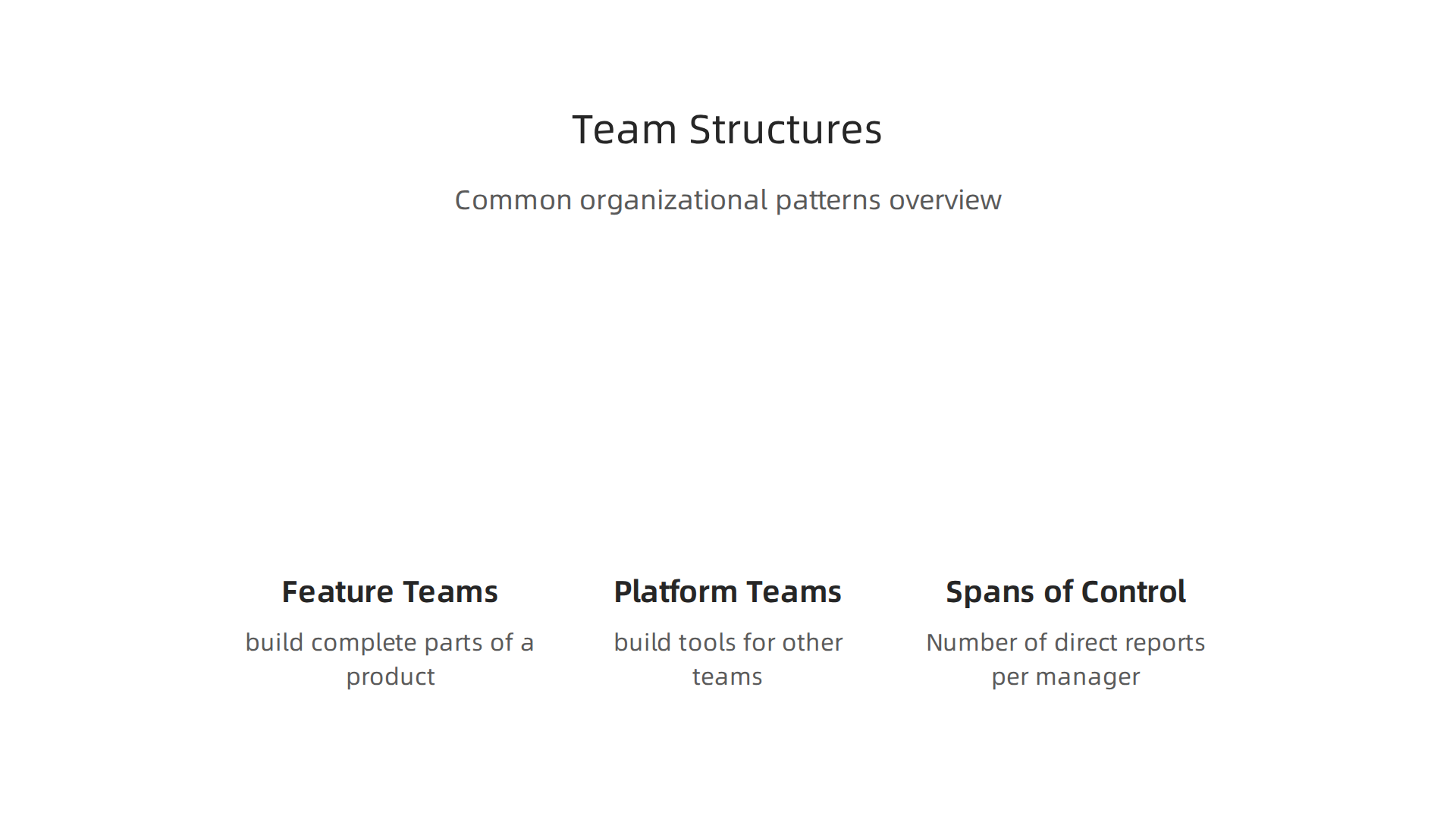
One common way is using Feature Teams. These teams focus on building complete parts of a product that customers will use, like a new shopping cart or a search function. They often have all the skills they need to finish their part, like backend, frontend, and even a QA engineer. This helps them work quickly and own a piece of the product from start to finish Engineering Org Design: Feature Teams, Platform Teams, Hybrid ….
Another popular setup, especially in 2026, is Platform Teams. These teams build tools and services that other software development engineering teams use. Think of them as building the factory floor so other teams can build the products faster. They treat the other engineers inside the company as their customers, focusing on making their tools easy to use and helpful How to Build a Platform Engineering Team. This kind of team is very important for making sure all the different parts of a large software system work well together and can grow easily. You can learn more about this setup in our guide on Platform Engineering in 2026. Experts say that platform teams typically include a mix of software development and cloud knowledge A Pragmatic Guide to Platform Engineering Team Structure.
These team types change what skills are most important for different roles. A professional engineer on a feature team needs strong product skills to understand the end-user. An engineer on a platform team, though, might need deeper technical skills in things like cloud tools and making sure systems run smoothly.
Companies also think about spans of control. This just means how many people one manager looks after. If a manager has too many people, it’s hard to give everyone enough help. Having the right mix of senior and junior engineers on a team is also key. Senior engineers can help junior members grow, sharing their knowledge and making the whole team stronger. This helps the team build software that is both reliable and gets done on time. In short, how teams are built and led is just as important as the individual skills of each engineer.
Staying up-to-date on how technology teams are structured, especially with the rise of AI, can give you a real advantage.
Stay informed about the newest trends and team structures. The AI Newsletter Worth Reading delivers clear daily AI updates.
After figuring out the best ways to set up software teams, the next big step is finding the right people to fill those teams.

Hiring the best engineers is super important for how well a company builds its software. In 2026, companies are looking for clear ways to pick engineers for different jobs and make sure their interviews are fair and work well.
Hiring for Different Engineer Roles
When looking for new team members, what a company seeks in a professional engineer changes based on the role and how much experience they have.
- Junior Engineers and Interns: For folks just starting out or looking for software engineering internships, companies often look for a strong desire to learn, good basic coding skills, and a positive attitude. They want to see potential and good "soft skills for software engineer" roles, like how well they work with others and solve small problems.
- Mid-Level Engineers: These engineers should have a few years of experience. They need to show they can build features mostly on their own, understand more complex code, and fix tricky problems. Their technical skills are growing, and they might start helping newer team members.
- Senior Engineers: A senior professional engineer needs deep technical knowledge and can lead projects. They help design big parts of the software and guide other engineers. They also use strong communication and problem-solving skills to tackle big challenges.
- Specialized Roles: A qa engineer, for example, needs to be very good at finding bugs and ensuring software works perfectly. Other roles, like a cloud engineer, require specific knowledge about cloud platforms and how to use them effectively, which is covered in our Cloud Engineer Career and Hiring Guide for 2026.
Companies are changing their talent strategies for 2026, often choosing to either "build" skills internally, "buy" talent by hiring experienced people, or "embed" workers from outside for specific tasks Engineering Team Design in 2026: How Talent Strategies Are Changing.
Making Interviews Fair and Effective
Hiring interviews should be clear and predictable. This helps companies find the right people and avoids common mistakes.
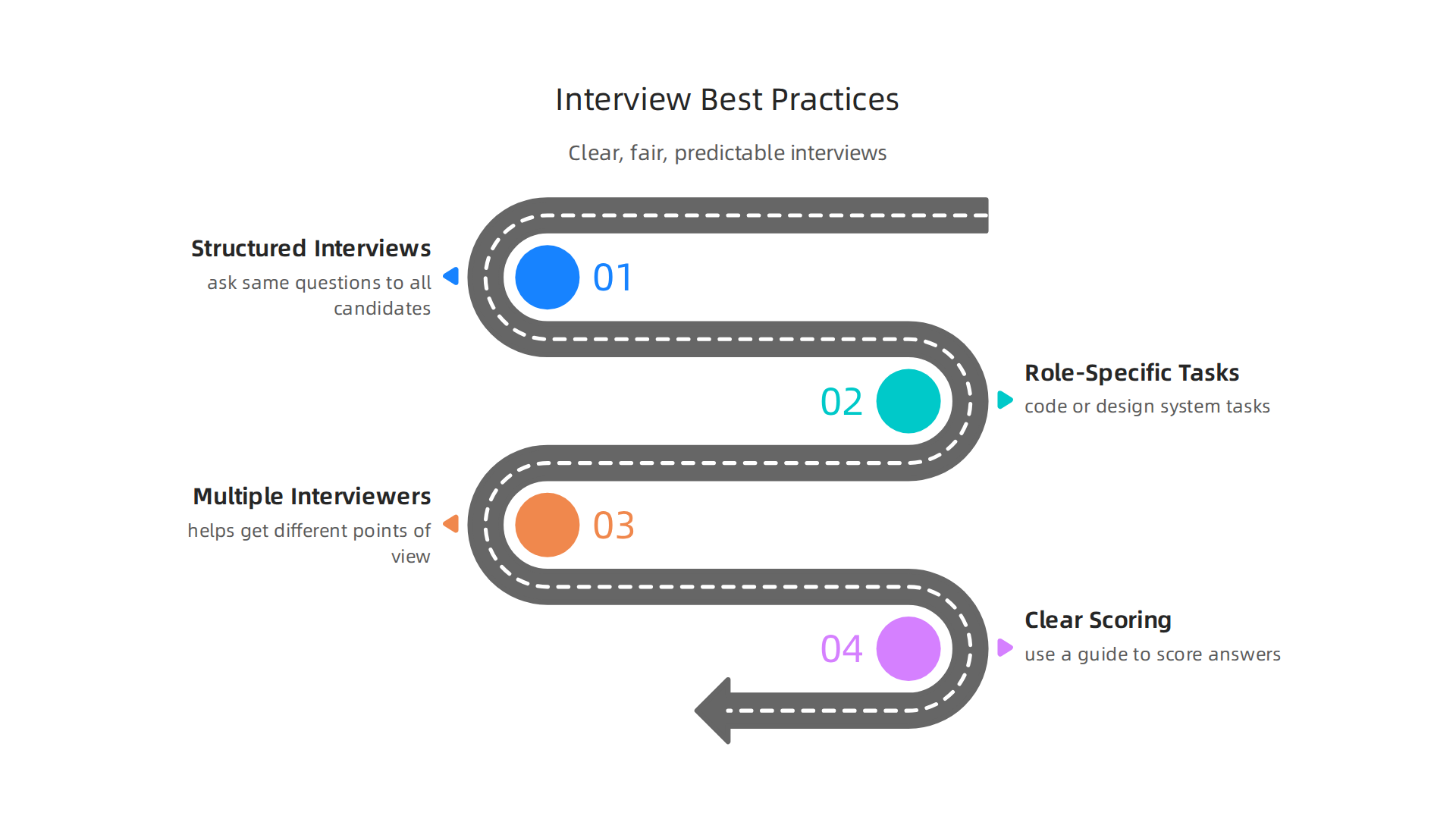
- Structured Interviews: Instead of asking different questions to everyone, it’s better to ask the same set of questions to all candidates for a similar role. This makes it easier to compare them fairly.
- Role-Specific Tasks: For a software development engineering role, candidates might be asked to write code or design a system. For a QA engineer, they might test a small piece of software. These tasks should mirror what they’d actually do on the job.
- Multiple Interviewers: Having a few people interview each candidate helps get different points of view. It also makes sure one person’s opinion doesn’t unfairly sway the decision.
- Clear Scoring: Interviewers should use a guide to score answers. This helps keep things objective, meaning they focus on the candidate’s skills and answers, not just how they feel about the person.
By setting clear expectations and using smart interview methods, companies can build strong software development engineering teams that help them succeed.
After finding the right people, keeping them happy and helping them grow is just as important. In 2026, smart companies know that training their own employees and showing them a clear path forward helps a lot with keeping good software development engineering teams. This also helps fill the need for skilled workers.
Growing Skills with Internal Training
Companies are now focusing on helping their engineers get better at their jobs from the inside. This means offering programs where people can learn new things and improve their "soft skills for software engineer" roles, like how to work well with others.
- Mentorship Programs: Experienced engineers can guide newer ones. This helps pass down knowledge and makes new team members feel supported. It’s like having a helpful friend show you the ropes.
- On-the-Job Learning: Engineers learn best by doing. Companies set up projects where employees can try new tools or coding methods. This real-world practice is super effective.
- Formal Training: Some companies offer classes or workshops to teach specific skills, like how to use new cloud tools or advanced programming languages. These programs can greatly improve how long engineers stay with a company, with some seeing a big jump in retention rates after putting such programs in place effectiveness of a new online program. To make sure these programs work, companies should define what success looks like and track their progress, as discussed in Is Your Upskilling Program Paying Off?.
Many companies find that offering ways for engineers to learn new skills, or "upskilling," is a smart way to keep them around Upskilling as a key to engineer retention. This can include anything from learning how to be a better professional engineer to understanding the latest in AI. If you want to stay on top of new trends, especially in AI, consider getting insights from new sources.
Clear Paths for Growth and Promotion
Having clear career ladders helps engineers see what they need to do to move up. These ladders show different levels, from a junior software development engineering role to a senior one, and even specialized jobs like a "qa engineer".
- Skill Checkpoints: Each step on the career ladder has certain skills you need to learn. For example, to become a mid-level engineer, you might need to show you can lead a small project. For a senior role, you’d need to design complex systems.
- Regular Feedback: Giving employees regular feedback helps them know where they stand and what they need to work on. This is key for their growth and helps them reach those checkpoints.
- Promotions: When an engineer meets the requirements for the next level, they get promoted. This shows them that their hard work pays off and that the company values their growth. Creating these kinds of Proven Engineer Retention Strategies helps companies keep their best people. This also ensures they are ready for roles in new areas, such as those highlighted in The 2026 AI Jobs Landscape Critical Insights for Enterprise Leaders.
By investing in their people, companies build stronger teams and make sure they have the right talent for the future.
Get clear daily AI updates from The AI Newsletter Worth Reading.
After investing in your software development engineering team and helping them grow, the next big step is to know if all that effort is actually working. This is where you measure how well your engineering work is truly doing. In 2026, smart companies use a mix of Key Performance Indicators (KPIs) and quality checks to see the real value of their teams.
Picking the Right Measures for Your Team
It’s important to look at more than just how fast things are getting done. A good set of measures helps you see the whole picture. Think about these main areas:
- How Fast Work Gets Out (Delivery): This looks at how quickly new changes or features are ready and put into use. Things like how often your team releases updates (deployment frequency) and the time it takes for a change to go from idea to launch are key. Experts say good metrics should connect to things like delivery speed [Engineering metrics: What actually matters in 2026]. Fast delivery helps new ideas reach customers sooner.
- How Good the Work Is (Quality): This checks for mistakes and bugs. Metrics like the "change failure rate," which means how often a new change causes problems, or the "defect rate," which counts how many bugs are found, are important. Tracking these helps ensure that what’s delivered works well [The 26 Most Valuable Engineering KPIs & Metrics (2026 …)].
- How Stable the Systems Are (Reliability): This measures how often things break and how fast they get fixed. A key measure here is "Mean Time to Recovery" (MTTR), which tells you how long it takes to fix a problem once it happens [The 25 DevOps KPIs that connect engineering work to business …].
- How Happy Engineers Are (Developer Experience): This is about how easy and enjoyable it is for your team to do their work. A team with good tools and clear processes often works better and stays longer. This also connects to soft skills for software engineers and how they feel about their jobs.
Using a balanced set of these metrics helps stop people from trying to "game the system" by only making one number look good. For example, focusing only on speed might lead to more bugs. It is much better to balance speed with quality to meet goals [Engineering metrics: 30 essential KPIs for development teams in 2026].
Connecting Engineering Work to Business Goals
The best way to measure software development engineering success is to tie these technical numbers to what the business wants to achieve. For instance, faster feature delivery might mean more income because new products get to market quicker. Better quality can lead to happier customers and save money on fixing problems later. Leaders should align their engineering goals with strategic business priorities [Engineering Metrics Benchmarks for 2026]. This helps show the real Return on Investment (ROI) for tools, new hires like a qa engineer, or training programs. Knowing which engineering KPIs truly matter helps connect efforts to big business results [Which engineering KPIs actually matter?]. By looking at these connections, companies can make sure their tech investments truly help the whole company grow.
To understand more about building your team’s skills, especially in-house, explore how companies are building their IT Talent 2026 Building Your Engineering Workforce From Within.
In 2026, the world of software development engineering is always changing. This means the kinds of skills and jobs needed are also shifting. New technologies like Artificial Intelligence (AI) are creating brand new roles, and even older jobs are getting fresh new demands. It’s not just about coding anymore; it’s about thinking smart and working well with new tools.
New and Changing Roles
Some jobs didn’t even exist a few years ago but are now very important.
- AI Engineering: This field is all about building and making AI systems work. We’re seeing new special jobs like AI Engineers, who design how AI systems work from start to finish. There are also experts in areas like LLMOps and Agentic AI Engineering, which are growing fast [10 New AI roles that didn’t exist 3 years ago — Second Talent’s …]. These roles help companies use AI more effectively. If you want to know more about this path, you can explore The Enterprise AI Engineer Roadmap for 2026.
- Platform Engineering: Imagine a special team that builds tools and systems to make it easier for other engineers to do their jobs. That’s platform engineering. In 2026, this area is growing because it helps different product teams work faster and smoother. It’s also where the worlds of basic tech setup and AI come together [Platform Engineering + AI: Top Tech Career in 2026]. This kind of
professional engineerfocuses on building a strong foundation for all other development work.
Hybrid Skillsets for Tomorrow
Beyond these new roles, many existing software development engineering jobs now need a mix of different skills. It’s not enough to be good at just one thing.
- Mixing Tech and People Skills: Engineers are often asked to understand how their work helps the business and to talk about it clearly. This means having good
soft skills for software engineerroles, like being able to explain complex ideas or work well in a team. - Understanding AI and Data: Even if you’re not an
AI Engineer, knowing how AI works and how to use data is becoming key. Aqa engineer, for example, might need to test AI-powered features. - Learning Quickly: The tech world changes fast. So, being able to learn new tools and ideas quickly is super important for any
professional engineer. This focus on continuous learning is also shapingsoftware engineering internships, where new talent learns to adapt to these hybrid demands.
These changes mean that for anyone in software development engineering, growing your skills in new areas like AI and platform tools, while also sharpening your people skills, will set you up for success in 2026 and beyond.
Summary
This article explains why understanding software development engineering roles and skills is critical for business success in 2026. It defines common roles—from junior engineers to tech leads, engineering managers and architects—and shows how individual contributor and management paths differ. The piece breaks down the three skill pillars you need to hire and grow: technical tools (Python, cloud, containers, AI), product-minded thinking, and soft skills like communication and adaptability. It covers how to organize teams (feature teams vs platform teams), how to run fair, role-specific hiring processes, and how to design internal training and career ladders to retain talent. The guide also explains which metrics to track—delivery, quality, reliability and developer experience—and why tying KPIs to business goals matters. Finally, it highlights emerging roles driven by AI and platform engineering and what hybrid skillsets will be needed going forward.