
The 2026 List of Technical Skills Enterprise IT Leaders Must Know

Why a Prioritized List of Technical Skills Matters for Enterprise IT Leaders
In 2026, the world of technology changes super fast. For big company bosses like CIOs and CTOs, keeping up can feel like a dizzying race.

New tools and ways of doing things pop up every day. This rapid change often means there are not enough people with the right skills to fill important jobs. This creates "talent gaps" in areas like cybersecurity and software engineering, which can make it hard to make good decisions for your company’s future. Reports even show that technology and IT skills gaps are a big concern for many businesses today, with 38% of companies finding it tough to hire in IT and 37% in AI, as highlighted in a 2025 report about skills gaps Microsoft Word – Mind the Skills Gap report – 5 Feb 2025_FINAL.
Finding the right people with the correct list of technical skills for roles like an intelligence analyst or gtm engineer, or even for common systems engineer jobs, is more vital than ever. It’s not just about finding any talent; it’s about finding the best talent. If leaders don’t know which skills are most important right now and for the future, they risk falling behind. This can lead to wrong hiring choices or training efforts that don’t pay off.
This article is here to help you. We will give you a clear, evidence-based list of technical skills that are key for enterprise IT leaders in 2026. We will also guide you on when and how to decide if you should hire new people with these skills or help your current team learn them. Understanding these skills helps you make smart choices for your company’s growth and success. For a deeper look at specific engineering roles, check out our guide on Key software development engineering roles and skills in 2026.
Want to stay informed on the cutting edge of tech?
The AI Newsletter Worth Reading
Core Programming & Software Development Skills
Now, let’s look at the important technical skills needed for building software in big companies. These skills are about how we write code, how we put software together, and how we make sure it works well. For leaders, knowing this list of technical skills helps you guide your teams and make good hiring choices.
Key Programming Languages
In 2026, some programming languages are more important than others for big enterprise systems.
- Python: This language is super popular for many reasons. It’s used a lot in AI, for making things automatic, and for working with data. About 56% of companies say Python is a very in-demand skill Reveal IT Talent Survey: Top Technology Roles and Skills for 2026.
- Java: This language is a strong choice for building big, reliable applications that need to handle many tasks at once.
- Go (Golang): People like Go for building fast and efficient systems, especially for cloud work and big networks.
- C/C++: These are still important for times when software needs to be super fast and control computer hardware directly.
- SQL: Don’t forget SQL! It’s the language used to talk to databases, and almost all software needs to store and get data.
These languages form the backbone for many roles, whether you’re hiring for systems engineer jobs or thinking about becoming an intelligence analyst.
Important Engineering Practices and Design Skills
It’s not just about knowing a language; it’s also about how you use it.
- Cloud Platforms: Understanding how to build and manage software on big cloud services like AWS, Azure, or Google Cloud is a must. These platforms help companies grow and keep their software running smoothly.
- Container Tools: Tools like Docker and Kubernetes help package software and run it anywhere. This makes software easier to move and scale up or down as needed.
- Automation and CI/CD: This means setting up systems that automatically build, test, and put new software changes into action. It makes the process much faster and less likely to have human mistakes. Engineers often use tools like Jenkins, GitLab CI, or GitHub Actions for this work.
- Infrastructure as Code (IaC): This is about writing code to set up and manage your computer systems and networks, instead of doing it by hand. Terraform and Ansible are popular tools for this.
- Observability: This skill helps teams understand how their software is performing in the real world. It means setting up ways to watch and listen to your systems so you can find and fix problems fast.
When to Hire vs. Train
Deciding if you should hire new people with these skills or teach your current team is a big question. If you need a skill right now for a critical project, hiring someone who already has that deep knowledge can be faster. However, investing in training your existing team can boost their skills and keep them happy. Many companies face talent shortages, especially in technology and AI, making it tricky to find people ready to go 2026Q2. Training can help fill these gaps over time.
Think about how fast the skill is changing. For very new and fast-moving areas like advanced AI model development, you might need to bring in new talent with fresh ideas. For more stable but still important areas like improving existing systems engineer jobs or building out standard cloud parts, training your team can be a great investment. For more on improving your team’s skills, consider reading about IT talent 2026: building your engineering workforce from within.
Cloud & Infrastructure Skills (IaaS, PaaS, and Cloud-native Design)
Building on the engineering practices we just talked about, understanding the cloud is now super important. In 2026, many big companies run their software on cloud platforms instead of their own data centers. This means a new list of technical skills is needed for anyone working with software infrastructure.
Core Cloud Skills
For leaders and teams, knowing how to work with the cloud goes beyond just using it.
It means being able to:
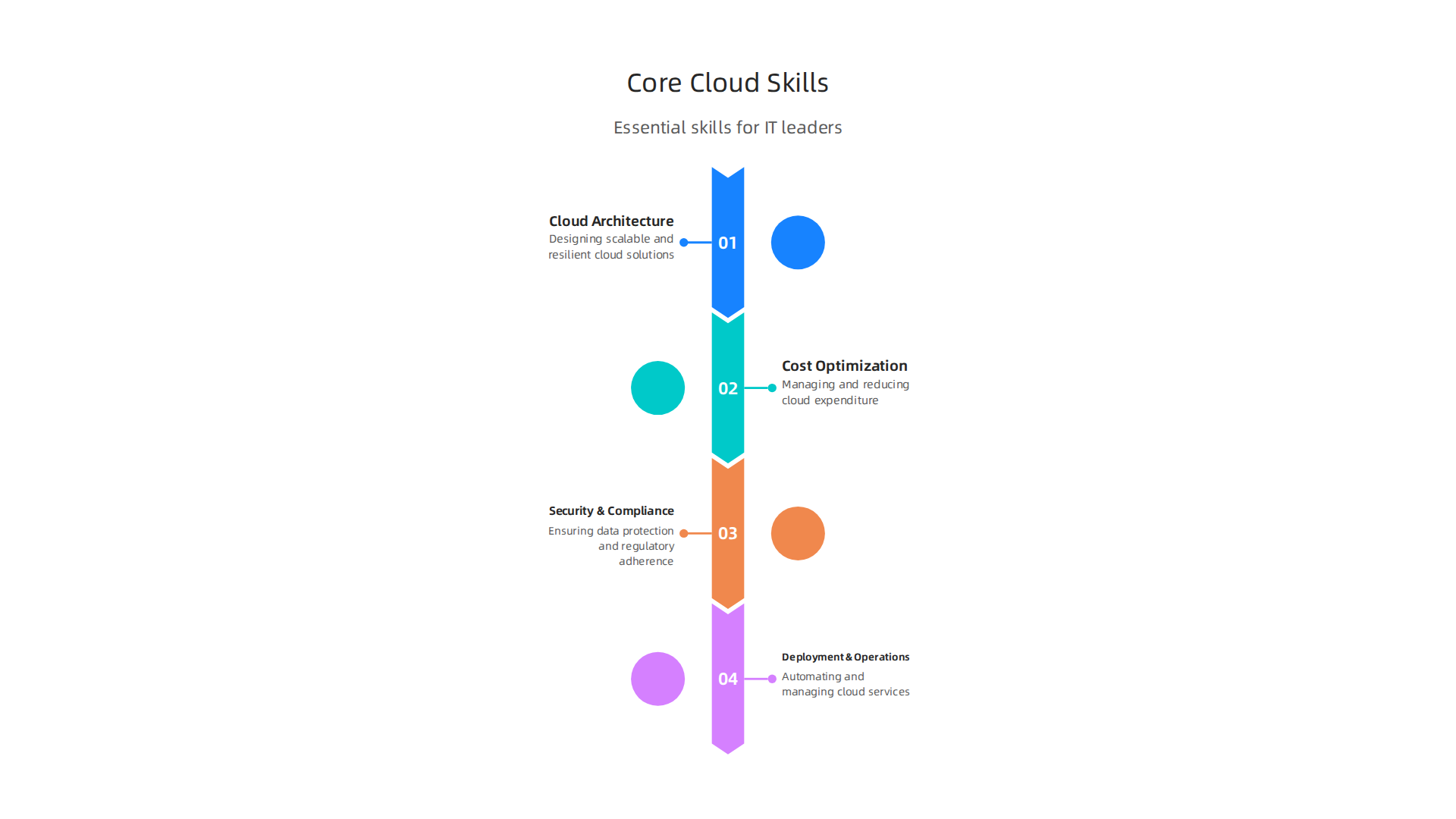
- Architect Solutions: This is like drawing a blueprint for a house. You need to plan how your software will use cloud services to be strong, work fast, and be safe. This involves choosing the right parts, whether it’s renting basic computer power (like Infrastructure as a Service, or IaaS) or using ready-made tools and platforms (like Platform as a Service, or PaaS).
- Select Platforms: Deciding which cloud platform to use is a big deal. Should it be Amazon Web Services (AWS), Microsoft Azure, or Google Cloud Platform (GCP)? Each has its own strengths. Often, companies use more than one, which is called multi-cloud.
- Manage Costs and Operations: Cloud services can be costly if not managed well. Teams need skills to keep an eye on spending and make sure everything runs smoothly every day. This is key for systems engineer jobs and other roles where you keep big systems working.
Certifications and Cloud-Native Design
Having the right skills means you also understand specific cloud platforms and how to build software that truly shines in the cloud.
- Cloud Vendor Expertise: Deep knowledge of one or more major cloud providers is very valuable. For example, knowing AWS means you understand its many services and how they fit together. Many companies look for these specialized skills.
- Cloud Certifications: These are like badges that show you know your stuff. In 2026, certain cloud certifications are highly sought after. For example, the AWS Certified Solutions Architect – Associate is one of the most requested certifications in cloud job listings, showing you can design solutions on AWS What Cloud Employers Want in 2026. Other valuable ones include the AWS Certified Cloud Practitioner for beginners, and advanced versions like the AWS Certified Solutions Architect – Professional for those with more experience Most In-Demand IT Certifications 2026 Employers Want. Employers use these certifications to help fill important skill gaps, especially in areas like cloud computing Employers Use IT Certification to Close High Risk Skills Gaps.
- Cloud-Native Design Patterns: This is about building software in a way that truly takes advantage of the cloud. It means making software flexible, easy to change, and able to handle many users without breaking. This often involves using smaller, independent pieces of software called microservices, and tools like containers, which we talked about before. These skills are a must for modern gtm engineer roles and any advanced intelligence analyst who works with large data systems hosted in the cloud.
For more details on what it takes to work in cloud roles, you can explore a cloud engineer career and hiring guide for 2026.
Staying up to date with these fast-changing cloud technologies and related fields like AI is crucial.
Get clear daily AI updates from The AI Newsletter Worth Reading.
Staying up to date with these fast-changing cloud technologies and related fields like AI is crucial. As we move deeper into 2026, the demand for skills in data and artificial intelligence (AI) has exploded. Businesses want to use their data to make smart decisions and build clever AI tools.

This means a new, important list of technical skills is now needed in these areas.
Distinguishing Data & AI Roles
It’s helpful to understand the different kinds of experts working with data and AI:
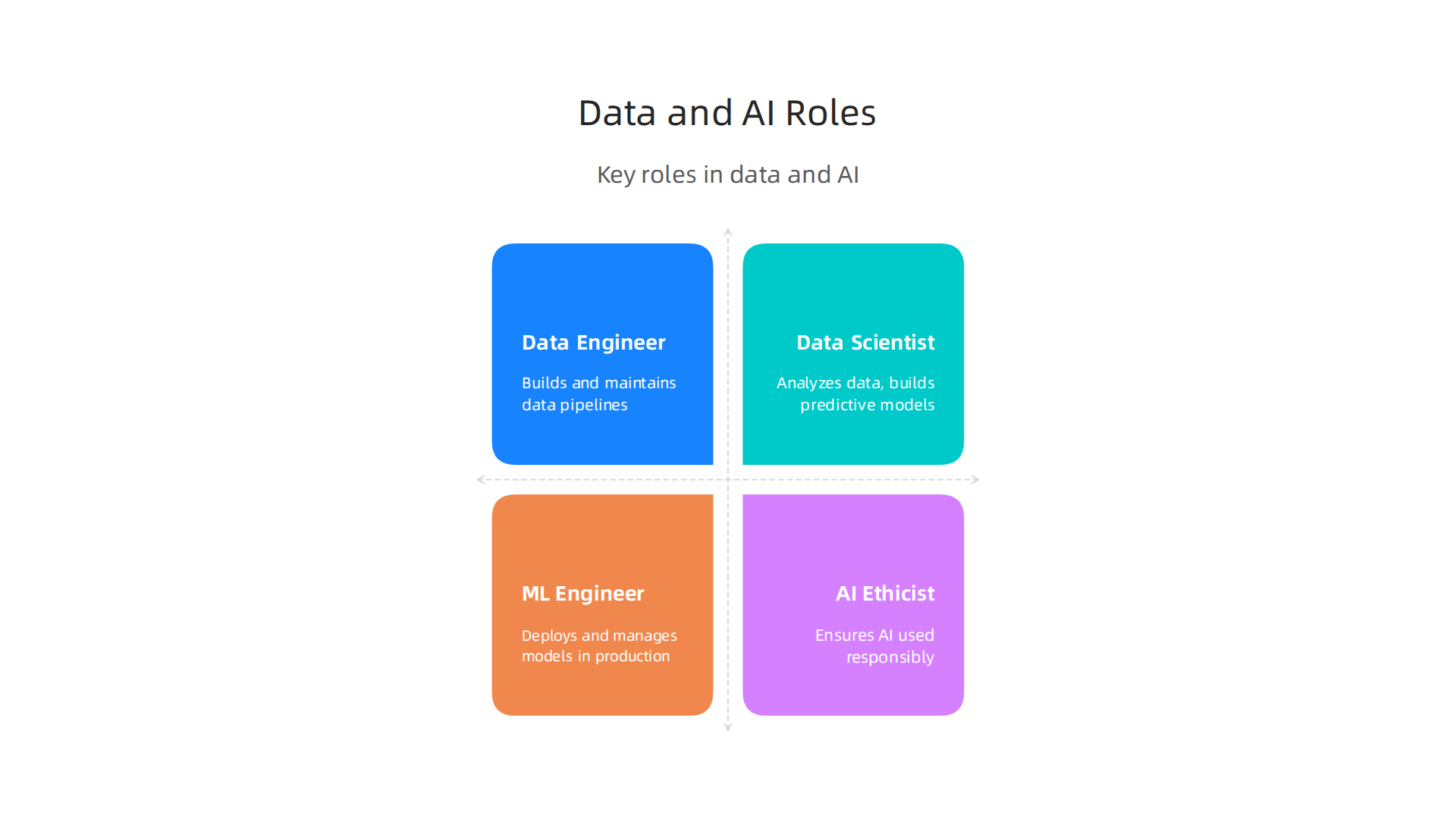
- Data Engineers: These are the builders of data roads and bridges. They create and manage the systems that collect, move, and store large amounts of data. This involves making sure data pipelines work smoothly and reliably. Think of them as the people who make sure the right information gets to the right place at the right time. Strong data engineering skills for 2026 include working with unstructured data and building reliable data pipelines for various AI applications, including those using large language models (LLMs) 5 in-demand data engineering skills for 2026. For more on setting up these systems, check out a data pipeline 2026 blueprint for building real time reliable infrastructure.
- Data Scientists: These experts are like detectives. They take the data that data engineers prepare and look for patterns and insights. They build models to understand what happened and predict what might happen next. Their work helps businesses make smarter choices.
- ML Engineers (Machine Learning Engineers): These roles are about turning the data scientists’ models into real-world tools. They build and deploy machine learning models so they can be used in products and services. An ML engineer knows how to make AI models work effectively and efficiently in a live system. In 2026, these are some of the Top AI Roles and Skills for 2026 According to Execs.
MLOps and Model Deployment Expertise
For companies using AI, it’s not enough to just build a model; you also need to run it well. This is where MLOps comes in. MLOps is like the DevOps for machine learning. It’s about keeping AI models working, updating them, and making sure they are always doing their job right.
When looking at job candidates, companies should look for experience in:
- Model Deployment: Can they take an AI model and make it available for use by others? This means putting it into a system where it can receive new data and make predictions.
- MLOps Practices: Do they know how to automate the training, testing, and deployment of models? This includes monitoring models to ensure they stay accurate and don’t "drift" over time MLOps Skills That Matter in 2026. Good MLOps also means being able to trace where every piece of data came from and how it was used in the model Regulated MLOps Governance in 2026.
- Data Pipelines for ML: Can they build and manage the flow of data specifically for machine learning models? This includes things like preparing data for training and feeding live data to the models for predictions.
In 2026, understanding MLOps and model deployment is a critical skill for many roles, including any advanced intelligence analyst working with predictive systems or a gtm engineer focused on getting AI-powered products to market. These skills are vital for future success. It’s smart to plan ahead and future-proof your enterprise navigating the 2026 AI jobs landscape.
As companies dive deeper into using AI and deploying complex models, a big question comes up: how do we keep everything safe and follow the rules? This is where strong security and compliance skills become super important. In 2026, protecting data and AI systems is not just a good idea; it’s a must. These essential security skills help businesses lower risks when they build and use new technologies.
Think about all the sensitive information flowing through these systems. Protecting it from bad actors is key. That’s why every successful enterprise needs a robust list of technical skills related to keeping things secure.
Essential Security Skill Sets
To truly protect enterprise operations in 2026, people need to know about these key areas:
- Cloud Security: Most companies use cloud services to store their data and run their AI tools. Knowing how to secure these cloud environments is vital. This means understanding how to set up firewalls, manage access, and keep cloud data safe from threats.
- Identity and Access Management (IAM): This skill is about making sure only the right people and systems can access specific data or tools. It’s like having a very smart doorman who knows exactly who should get in and where they are allowed to go inside.
- Regulatory Controls and Compliance: Businesses must follow many laws and rules about how they handle data and use AI. People with these skills understand these rules, like the NIST Cybersecurity Framework or ISO 27001, and know how to make sure the company follows them. For a deeper look, the Cybersecurity Career Guide 2026 highlights various frameworks crucial for modern cybersecurity. Knowing how to integrate different standards is also very helpful for Cybersecurity Governance.
Connecting Security to Other Tech Roles
These security skills aren’t just for dedicated security teams. They cross over into many other tech jobs.
- An intelligence analyst working with predictive systems needs to understand how those systems are secured against threats.
- A gtm engineer launching a new AI product must ensure it meets all privacy and security rules before it goes to market.
- Even for general systems engineer jobs, a solid grasp of security is needed to build resilient and safe systems from the ground up.
As companies continue to build trust in AI, understanding how to apply security controls and meet compliance needs is more critical than ever. It’s about building secure solutions, sure, but also about building enterprise AI trust through good practices. For technology leaders, keeping up with these important topics is a constant task.
Get clear daily AI updates. The AI Newsletter Worth Reading delivers fresh insights straight to your inbox.
DevOps, SRE & Automation Skills
Beyond keeping systems safe, companies also need to make sure their technology runs smoothly and quickly. This is where a strong list of technical skills in DevOps, Site Reliability Engineering (SRE), and automation becomes very important. These skills help businesses make their software and systems more reliable and get new features out faster.
Making Things Run Better and Faster
DevOps is all about bringing teams closer to work better together, helping them build and release software quickly and without many problems. SRE takes this a step further by focusing on making sure systems stay available and perform well. Automation is the key tool that makes both DevOps and SRE possible.
Here are some key practices that improve how fast and how well technology works:
- Continuous Integration and Continuous Delivery (CI/CD): Imagine a super-efficient assembly line for software. CI/CD pipelines automate the steps from writing code to putting it live for users. Experts in CI/CD pipeline engineering help companies update their software often and without big hiccups. These pipelines are like the main roads for getting new software out the door quickly and reliably, balancing speed with safe updates, as noted in the 12 Must-Have Skills for a Site Reliability Engineer in 2026 report.
- Automation: This means setting up tools to do repetitive tasks by themselves. Instead of someone manually checking things or making changes, automation scripts handle it. SRE teams use programming languages like Python or Go to create these automated systems that can even fix issues on their own. Skills in automation are consistently highlighted as essential for Site Reliability Engineers in 2026, according to various reports, including one on Site Reliability Engineer Skills in 2026.
- Cloud Platforms: Knowing how to use cloud services like AWS, Google Cloud, or Azure is a must. Most modern systems live in the cloud, so understanding how to build, run, and scale applications there is a core skill for SREs.
- Container Tools: Tools like Docker and Kubernetes help package and manage software so it can run the same way everywhere. They are crucial for scaling up services and making sure they are reliable.
Knowing Where to Start with Automation
To see how well a company is doing with SRE and automation, leaders often look at certain numbers. These include how often new software is released, how quickly changes are delivered, and how fast problems are fixed. A well-known report from Google, the 2022 Accelerate State of DevOps Report, points out key metrics like deployment frequency and lead time for changes.
For businesses looking to improve, it’s smart to invest in automation skills first. This means teaching teams how to write scripts, set up CI/CD pipelines, and use tools that manage cloud services automatically. Focusing on these skills helps build a solid base for better reliability and quicker software delivery. For more details on building strong technology foundations, check out the guide to platform engineering in 2026.
When technology systems are built and run smoothly, the next big step is making sure they can talk to each other. Think of it like different parts of a team. Each part is good at its job, but to win, they all need to communicate well. This is what systems integration and API skills are all about. These skills help connect all the different pieces of software a business uses so they can share information and work together as one big system.
Making Systems Talk to Each Other
Systems integration means bringing together different computer systems and software applications so they can work as a single, coordinated system. This often involves designing special "rules" or ways for these systems to communicate. These rules are called Application Programming Interfaces, or APIs for short. APIs are like a universal language that different software programs can understand, allowing them to send and receive data smoothly.
To do this well, people need a strong understanding of how to:
- Design good APIs: This means creating clear and easy-to-use ways for systems to connect. It’s like writing a helpful instruction manual so other systems know exactly how to ask for information or send it.
- Understand integration patterns: These are proven methods for connecting systems. For example, knowing the best way to move large amounts of data from one place to another, or how to make sure a message gets delivered even if there’s a small hiccup.
- Use middleware: Middleware is software that acts as a bridge between different applications. It helps them communicate even if they were not originally made to work together.
For many systems engineer jobs today, having these skills is a must-have. When systems are well-connected, it makes tasks easier for everyone. For example, an intelligence analyst can get accurate data faster if all the different data sources are properly linked. A gtm engineer launching a new product can also ensure customer-facing tools integrate perfectly with backend systems, making the launch smooth.
Sometimes, companies can buy ready-made tools to help with integration. These are called off-the-shelf integration platforms. They can be quick to set up. Other times, companies need to build custom connections from scratch, which takes more time and special technical skills but can be perfectly tailored to their unique needs. The choice between these options depends on how complex the systems are and what the business needs.
Many employers in 2026 look for certain certifications to prove these skills, especially those related to cloud platforms. For instance, the AWS Certified Solutions Architect – Associate is often mentioned in job postings as a valuable skill for those working with cloud systems, which are key for modern integration. Having these certifications shows that a person has a solid grasp of complex system architecture, including how to connect different services. For more on managing APIs in the cloud, you can learn how to optimize Azure API management pricing for multi-cloud with AWS insights.
Staying updated on all the new tech ideas is super important for business leaders.
Get clear daily AI updates from The Deep View Newsletter. The AI Newsletter Worth Reading
Staying updated on all the new tech ideas is super important for business leaders. But knowing all the technical stuff is only half the battle. To truly shine, people in technical jobs also need "soft skills" and good ways to lead. These are not about coding or fixing computers. Instead, they are about how you work with people and guide projects.
Soft Skills & Leadership for Technical Roles
Soft skills are non-technical abilities that help you work better with others and solve problems in smart ways. They make your technical knowledge even more useful. These skills are a big part of the complete list of technical skills that companies look for in 2026. Actually, many tech employers say there’s a big need for better human skills, like communication and teamwork, in the workplace today 2026Q2.
Some important soft skills include:
- Good Communication: This means being able to explain hard technical ideas in simple ways, so everyone understands. It’s also about listening carefully to what others need. A skilled intelligence analyst, for instance, must clearly explain complex data findings to business leaders who might not have a tech background.
- Working with Others (Collaboration): Many projects need different teams to work together.

Being able to listen to ideas, share your own, and find common ground helps projects move forward faster.
- Thinking About the Big Picture (Product Thinking): This means understanding how your technical work fits into the larger goals of the business or product. It helps technical experts make choices that are good for customers and the company. This is especially key for a gtm engineer making sure new products meet market needs.
- Solving Problems and Being Flexible: Technology changes quickly. Being able to think creatively to solve new problems and adapt to changes is very valuable.
For those in systems engineer jobs, having these non-technical skills can really boost their impact. They help engineers not just build systems, but also make sure those systems truly serve the business’s needs and that everyone understands how they work.
Leadership in technical roles isn’t just for managers. It means guiding projects, helping your team grow, and making smart choices that lead to success. This includes skills like strategic planning and working with different groups of people, known as stakeholder alignment Technology Skills and Solutions to Drive Business. To help technical staff develop these skills, companies are investing in training and creating pathways for growth. Learn more about important abilities in a specific field by checking out key software development engineering roles and skills in 2026.
Making sure technical experts have both strong technical and soft skills is how companies build a truly powerful workforce. It also helps companies keep their best people, as they feel supported in their growth. Finding ways to grow your company’s talent from the inside is a smart move for any business today. You can read more about building your engineering workforce from within.
Summary
This article explains why enterprise IT leaders need a prioritized list of technical skills in 2026 and then lays out the practical skill areas to focus on. It covers core programming languages (Python, Java, Go, C/C++, SQL), engineering practices like CI/CD and IaC, cloud-native design and certifications, data and AI roles (data engineers, ML engineers, MLOps), security and compliance, DevOps/SRE automation, and systems integration with APIs. The piece explains when it makes sense to hire versus upskill existing staff, and why soft skills and leadership matter alongside technical expertise. Readers will leave able to rank hiring and training needs, identify high-impact skills to develop or recruit for, and choose relevant certification and platform priorities that align with enterprise goals.