
Unlock Enterprise Efficiency with Adaptive Software Development

Why adaptive software development matters for enterprise efficiency
Big companies, called enterprises, always need new software. Making this software can be tricky. They want it to be built fast, work really well, and be easy to update later. It’s like trying to build a strong house very quickly, but also knowing you might need to add new rooms later without tearing it all down. This is a big problem in 2026. Many old ways of building software are too stiff and don’t let you change things easily.
This is where adaptive software development, or ASD, comes in. ASD is a special way to build software that grew from earlier ideas about making things quickly.
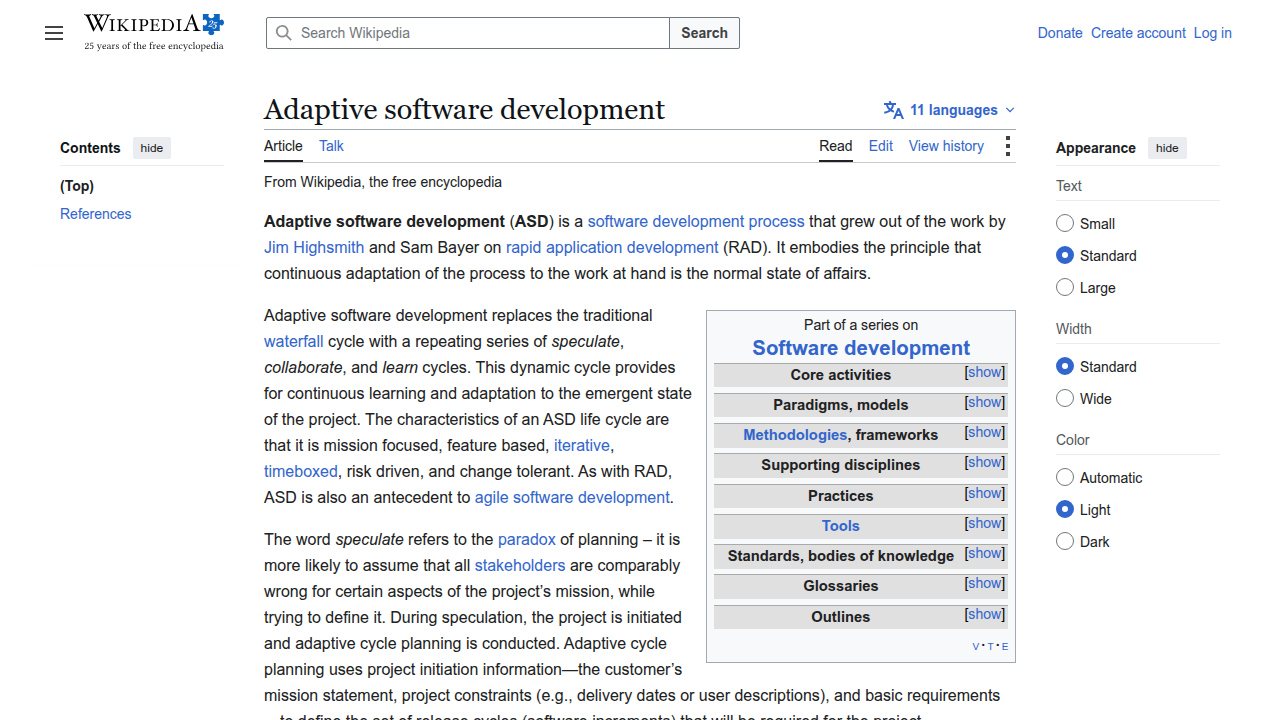
It’s different from older, more rigid ways of working where every single step is planned out from the very beginning. Instead of strict plans, ASD understands that things will change. It’s built on the idea that the best way to make software is to keep changing and adjusting as you go along, because the world around the software is always moving and new ideas come up Adaptive software development – Wikipedia.
Think of it this way: a traditional model software development life cycle might try to draw a perfect map before starting any journey. But with adaptive software development, you know the path might get muddy or a new, better road might appear. So, you start with a general idea, work in small steps, and learn as you go. This means the overall life cycle in software development becomes much more flexible. ASD helps teams work together and learn from what they build, making sure the software can grow and change with the business. This approach is really important for enterprise efficiency today, helping companies stay quick and competitive.

For enterprise leaders looking to navigate the complexities of modern technology and make informed decisions, staying updated on the latest trends, including adaptive strategies, is key.
The AI Newsletter Worth Reading
Adaptive software development (ASD) helps big companies build software that can change and grow. It came from ideas about making things fast and flexible, instead of sticking to very strict plans. This way of working became well-known around the same time as agile methods, which value things like continuous learning and teamwork Agile software development – Wikipedia.
Origins and Evolution
ASD was developed by smart people like Jim Highsmith and Sam Bayer. They saw that the old ways of making software were often too slow and couldn’t keep up with new ideas or changes in what customers wanted. Back then, many companies used a very step-by-step model software development life cycle. This meant planning everything out perfectly at the start, which often led to problems when things changed later on.
Instead, adaptive software development grew from a method called rapid application development, or RAD. This older method focused on quick building and getting feedback. ASD took these ideas further, making it a way of working that always expects change. It’s like saying, "We know things will be different tomorrow, so let’s build in a way that allows us to easily adapt." This focus on continuous change is why it’s so helpful for businesses in 2026. Experts say ASD is about always changing the process to fit the work at hand What is Adaptive Software Development (ASD)? – GeeksforGeeks.
Core Practices
Adaptive software development works through a set of simple, repeated steps. These steps help teams stay flexible and always learn.
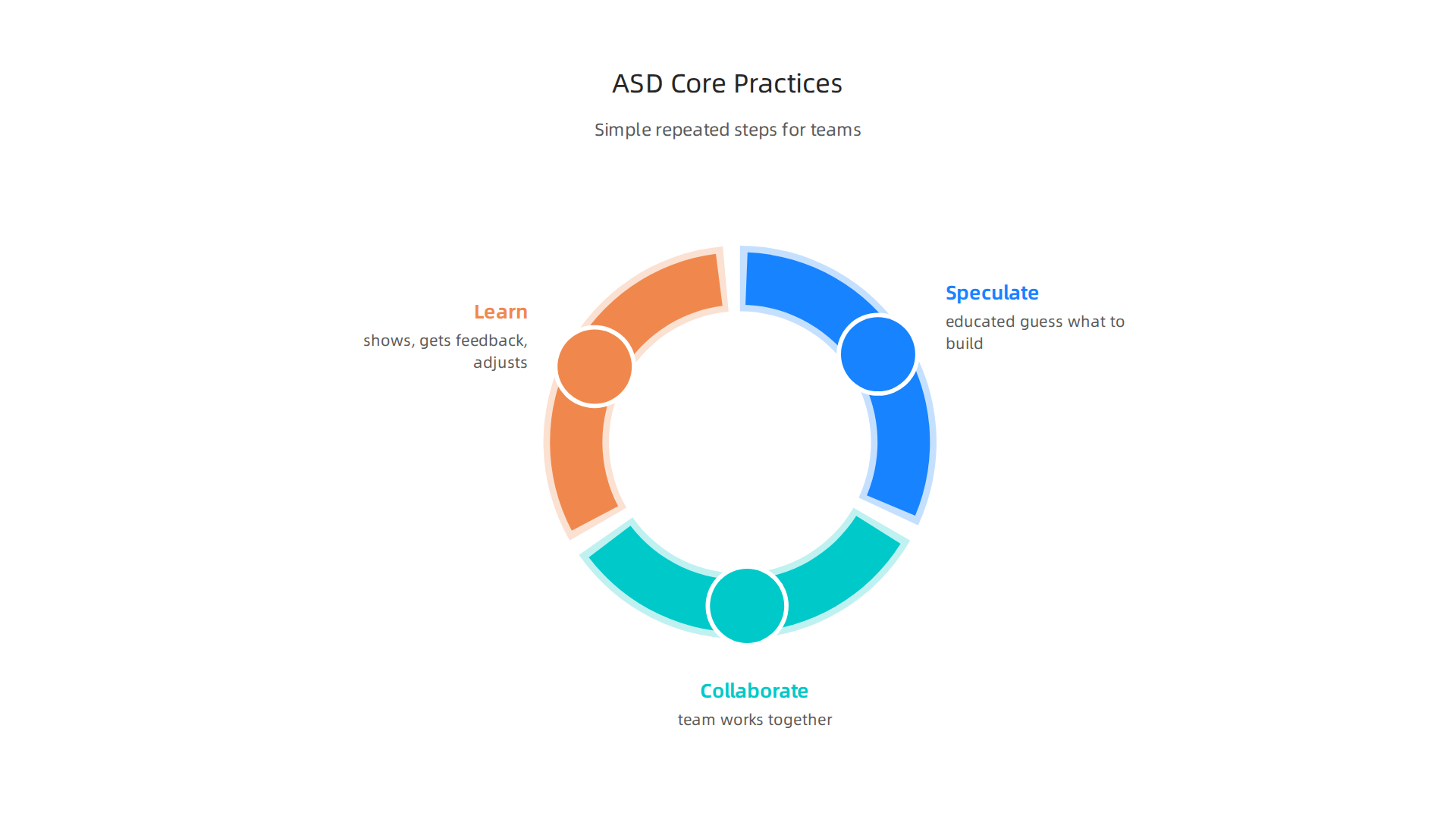
They are often grouped into three main parts:
- Speculate: This is where teams make an educated guess about what to build. They don’t try to plan every small detail, but instead, they set a goal or a mission. They look at what problems need solving and what they want to achieve. It’s like having a map for a trip, but knowing you might change your route.
- Collaborate: After speculating, everyone on the team works together. This means designers, coders, and even the people who will use the software, all talk and build things side-by-side. They share ideas and fix problems as a group. This kind of teamwork makes the work go faster and helps everyone understand the project better.
- Learn: This is a very important part. After building a small piece of the software, the team shows it to others and gets feedback. They then learn from what worked and what didn’t. This learning helps them adjust their plan for the next step. It’s a cycle of trying, getting feedback, and making things better. This continuous learning is key to how adaptive software development helps make sure the software is truly useful and up-to-date Adaptive Software Development: ASD Guide for 2026.
This flexible life cycle in software development means that teams can handle surprises and build software that truly fits the needs of the business, even as those needs change over time. It helps avoid sticking to old plans that no longer make sense. For more on different ways to build software, you might find this guide on SDLC methodologies for enterprises helpful.
These flexible ways of working in adaptive software development come from a few key ideas. These ideas help teams make software that truly works well and changes easily. They drive how teams work and make decisions every day.
Feedback Loops and Small Steps
A big part of adaptive software development is always getting feedback. Think of it like cooking: you taste your food as you go, not just at the very end.

This means building a small piece of software, showing it to people, and then learning from what they say. This continuous learning loop helps teams adjust quickly. It makes sure they are always building what customers really need, not just what was planned months ago. This idea of quick feedback and change is a core part of being adaptive An adaptive software development process model.
Along with getting feedback, teams deliver software in "small batches." Instead of making a huge program all at once, they release tiny, working parts often. This is different from the old model software development life cycle where everything was kept secret until it was perfect. Delivering small parts means:
- Less Risk: If something goes wrong, it’s a small problem, not a giant one.
- Faster Learning: People get to use the software sooner and tell the team what they think.
- Easier Changes: It’s simpler to change a small part than a large, finished product.
This approach also helps with risk-focused planning. Instead of guessing everything that might happen, teams look at the biggest unknown parts first. They plan how to deal with those risks early on. This keeps the whole life cycle in software development practical and smart.
Smart Technical Ways of Working
For adaptive software development to truly work, teams also need good technical habits. These habits help them build software quickly and reliably. Two important ones are:
- Automated Testing: This means computers automatically check the software for mistakes. It’s like having a robot proofread your work. This makes sure that when changes are made, they don’t break other parts of the program. It helps teams feel confident in their small, frequent releases.
- Continuous Integration and Delivery (CI/CD): This is a fancy way of saying that developers put their code together often (integration) and get it ready to ship out all the time (delivery). It’s like a factory line where new parts are always being added and checked, so the final product is always almost ready. This kind of concurrent engineering helps teams keep the software up-to-date and ready for users.
These technical steps fit perfectly with the ‘Speculate, Collaborate, Learn’ cycle of adaptive software development. They help teams build strong software even when things are always changing. For businesses in 2026, using these principles means they can make and improve software much faster and with less hassle. To truly optimize your enterprise software efforts, understanding various software development life cycle models can be very beneficial. Check out this guide on how to optimize enterprise software with strategic software development lifecycle models.
Staying current with all the new technology trends, especially in AI, is also key for modern software development.
Get clear daily AI updates from The AI Newsletter Worth Reading.
For adaptive software development to truly work, teams also need good technical habits. These habits help them build software quickly and reliably. Two important ones are: Automated Testing and Continuous Integration and Delivery (CI/CD). These technical steps fit perfectly with the ‘Speculate, Collaborate, Learn’ cycle of adaptive software development. They help teams build strong software even when things are always changing. For businesses in 2026, using these principles means they can make and improve software much faster and with less hassle. To truly optimize your enterprise software efforts, understanding various software development life cycle models can be very beneficial. Check out this guide on how to optimize enterprise software with strategic software development lifecycle models. Staying current with all the new technology trends, especially in AI, is also key for modern software development. Get clear daily AI updates from The AI Newsletter Worth Reading.
How adaptive development compares to Agile, Scrum, Kanban, and DevOps
Now that we know what makes adaptive software development special, let’s see how it fits with other popular ways of making software. Think of Agile, Scrum, Kanban, and DevOps as different tools in a builder’s toolbox. Adaptive development is like a very smart plan that helps you pick and use those tools even better.
Adaptive and Agile: A Close Family
Agile is a big idea or a way of thinking that helps teams be flexible. It means working in small steps and always being ready to change. Adaptive software development is a lot like Agile because it also focuses on being flexible, learning as you go, and putting the customer first. Actually, you can think of adaptive development as a more grown-up version of Agile, especially when things are very unclear or change a lot. It takes Agile’s ideas of being flexible and quick and pushes them even further.
Adaptive, Scrum, and Kanban: Different Rhythms
Scrum and Kanban are two common ways teams do Agile.
- Scrum uses short, fixed work periods called "sprints," usually lasting a couple of weeks. Teams plan exactly what they will do in that sprint.
- Kanban is more about a steady flow of work. You see tasks moving through steps on a board, and the goal is to keep work moving smoothly without too many tasks piling up at once.
Adaptive software development is less strict about these fixed rhythms. While it uses short cycles like Scrum and visualizes work like Kanban, it’s okay for the "iteration cadence" (how often you finish a small piece of work) to change based on what the project needs. It’s more about "what’s the right next step?" than "what did we plan for this sprint?" This flexible approach helps handle risks better because teams can quickly switch gears if something unexpected happens, rather than being tied to a strict plan. For more on different ways teams work, you can explore various SDLC Methodologies for Enterprises: Choosing the Right Software Development Life Cycle.
Adaptive and DevOps: Working Together
DevOps is another important way of working that brings together the people who build software (development) and the people who keep it running (operations). The main goal of DevOps is to get new software out to users quickly and reliably. It’s all about automation, fast feedback, and making sure everything works smoothly.
Here’s where adaptive software development and DevOps become best friends. The idea of concurrent engineering is key for both. Both want teams to build small pieces, test them often, and get them out to users without delay. Adaptive development’s focus on quick learning and constant change fits perfectly with DevOps practices like:
- Continuous Integration and Delivery (CI/CD): Building and testing software automatically and getting it ready for release all the time.
- Monitoring and Feedback: Always watching how the software is doing and using that information to make it better.
When teams use adaptive software development, they naturally become better at DevOps because they are already set up to handle fast changes and continuous feedback. This helps businesses in 2026 build more stable and useful software faster. The latest reports show that companies adopting these flexible models are seeing great results in the 2026 Global Software Industry Outlook.
You can find more useful information about these kinds of practices in the Adaptive Software Development Guide 2026.
For big companies to truly use adaptive software development, they need a clear plan to make it happen. It’s not enough to just know what it is; you need steps to put it into action. Think of it like building a house. You wouldn’t just start building without a blueprint. An implementation roadmap acts as that blueprint, showing how to bring adaptive software development into a large business step by step. A good roadmap ties what you do to the bigger business goals, lays out milestones, and plans for how to deal with risks, as experts highlighted in 2026 The Importance of an Implementation Roadmap for Enterprise Software.
A Step-by-Step Approach
Bringing adaptive software development into a big company usually follows a few key steps:
- Assess Your Current State: Before you change anything, you need to look at how things are done right now. What software development life cycle methods are you using? What works well, and what causes problems? What are your business goals for this change? This first step is like checking your starting point before a journey. You must define what you want to achieve before diving in.
- Start with a Pilot Program: Don’t try to change everything at once. Pick a small team or a low-risk project to try out adaptive software development first. This is called a pilot program. It lets your team learn and get used to the new way of working without a lot of pressure. This small start helps you see what adjustments you need to make. The famous "Speculate, Collaborate, Learn" cycle is perfect for this pilot phase, letting teams quickly see results and learn. You can learn more about these modern software development stages for enterprises.
- Scale Up Gradually: If your pilot program goes well, you can slowly bring in more teams and projects. This doesn’t mean forcing everyone to change overnight. Instead, it’s about sharing what you learned from the pilot and helping other teams adopt the new practices. This staged rollout is often seen in how companies implement new models, moving from basic to more complex changes over time.
- Keep Making Things Better: Adaptive software development is all about learning and changing. So, even after it’s in place, you must keep checking how it’s working. Are teams building software faster? Is the software better? Are customers happier? Use this feedback to keep making the process even stronger. This focus on continuous improvement is a core part of adaptive development.
How Companies Need to Change
For adaptive software development to truly work, a company needs to think about more than just the technical steps. It also needs to look at its own structure and how people work together.
- Flexible Governance: This means how decisions are made. In an adaptive setting, decisions need to be made quickly and by the people closest to the work. It’s less about strict rules from the top and more about guiding principles that help teams make smart choices. This kind of flexibility is crucial for dealing with changes and risks effectively.
- New Roles and Skills: Jobs might change a little. People might need to learn new ways to work. For example, developers might talk directly to customers more often. It’s important to help people learn these new skills and understand their new roles. Having the right people with the right key software development engineering roles and skills in 2026 is vital for success.
- Working Together (Cross-functional Collaboration): This is super important. It means people from different parts of the company working together all the time. Instead of marketing making a plan, then passing it to design, then to development, everyone works together from the start. This idea of concurrent engineering helps everyone understand the big picture and build better software faster. Studies in 2026 emphasize that strengthening cross-functional collaboration is key for adaptive software development success.
By planning carefully and focusing on both the technical steps and how people work, companies can successfully bring in adaptive software development. This helps them stay nimble and build great software in 2026 and beyond. Understanding the full life cycle in software development is always a big help for enterprise leaders.
Pilot projects and team structure
When you start with a pilot program for adaptive software development, choosing the right project is key. You don’t want to pick something too big or too risky right away. Instead, think about a project that has a manageable risk profile. It should be a project where you can learn a lot without causing major problems if things don’t go perfectly at first. It’s like testing a new recipe in a small batch before making it for a big party.
The best pilot projects also offer clear business value. Even if it’s a small project, it should solve a real problem or make something better for the company or its customers. This helps everyone see the benefits of adaptive software development quickly. A good pilot project also shouldn’t be too complex to fit into existing systems. Keeping the integration complexity low helps the team focus on the new way of working, rather than struggling with tricky technical hook-ups. Experts agree that a good starting point is to clearly define the specific problem the software needs to solve, ensuring it meets a clear business objective When to Use Adaptive Software Development in 2026.
Once you have a project, you need the right team. For a pilot project, a small, dedicated, and cross-functional team works best. This means bringing together people with different skills, like developers, testers, and someone who understands the business needs (often called a product owner). This setup helps with concurrent engineering, where different parts of the work happen at the same time, keeping everyone on the same page.
It’s also important to involve key stakeholders from the start. These are the people who care about the project’s success, like managers or future users. Getting their input often helps the team make better decisions and build software that truly meets needs. This kind of collaboration is a core part of adaptive development, as it allows for continuous feedback and learning.
Ready to deepen your knowledge of enterprise technology and AI?
The AI Newsletter Worth Reading
Tooling, automation, and platform considerations
After putting together the right team for your pilot project, the next step in adaptive software development is to make sure you have the right tools. Good tools and automated processes are like having helpful assistants that make work smoother and faster. They are key to making the whole adaptive software development process work well.
Here are some important tools and practices:
- Continuous Integration/Continuous Delivery (CI/CD): Think of CI/CD as a constant pipeline for your software. Every time a team member makes a change, it’s quickly checked and tested. If all looks good, it can be sent out to users. This helps teams build software faster and get feedback sooner. It’s a way of having different parts of the work happen at the same time, helping with concurrent engineering. Many businesses use these practices to accelerate enterprise software delivery.
- Feature Flags: These are like on/off switches for new parts of your software. You can turn a new feature on for some users and off for others. This lets you test new ideas safely without affecting everyone. If something goes wrong, you can just flip the switch off.
- Observability: This means being able to clearly see how your software is working in real time. It’s like having a dashboard that shows you everything important, so you can spot and fix problems quickly.
- Testing Frameworks: To make sure your software is high quality, you need good ways to test it automatically. This includes checking small parts (unit tests) and how different parts work together (integration tests). Running these tests automatically helps find bugs early. Many experts agree that integrating testing into CI/CD pipelines is a best practice for automation in 2026 Best practices for automation testing in 2026.
Beyond these tools, you also need to think about bigger picture items for your software platform:
- Multi-Team Reuse: In big companies, many different teams might need to use similar tools or pieces of code. Making sure these can be easily shared and reused saves time and keeps things consistent. This is a big part of how you manage the entire model software development life cycle.
- Security Integration: It’s super important to build security into your software from the very beginning, not just add it on at the end. This helps protect your company and your users from online threats.
- Compliance: Many industries have rules and laws that software must follow. Your tools and processes should help you meet these requirements easily. This ensures that your adaptive software development efforts are always within legal and industry standards.
Measuring efficiency: KPIs, metrics, and evidence-based evaluation
After setting up your teams and tools, the next big step is to know if all your hard work is truly making things better. How do you actually measure if your adaptive software development is successful? This is where understanding Key Performance Indicators (KPIs) and other metrics comes in. These are like scorecards that show you how well your software projects are doing.
It is important to look at the right numbers. In 2026, many experts agree that focusing on a few key areas can tell you a lot about how fast and reliably your software teams are working. These are sometimes called the "DORA metrics" because they come from research into what makes high-performing software teams.
Here are some important metrics:
- Deployment Frequency: How often your team puts new code into use for customers. More frequent deployments usually mean faster work and quicker feedback.
- Lead Time for Changes: This measures how long it takes for a change in the code to go from a developer’s computer to being used by customers. Shorter times mean you can react faster to needs. These metrics are a core part of any good 2026 Guide to the Best Software Development Metrics.
- Mean Time To Recover (MTTR): If something breaks, how quickly can your team fix it and get things working again? A low MTTR shows your team is good at solving problems fast.
- Change Failure Rate: How often do new changes cause problems or failures? A low rate means your changes are reliable and well-tested.
These numbers help you see the whole life cycle in software development. For example, if your team is doing a lot of concurrent engineering, these metrics will show if that process is actually speeding things up and keeping quality high. You can find more details and compare your team’s performance with others in reports like the 2026 Software Engineering Benchmarks Report.
Collecting these metrics is just the start. You also need to put them on dashboards. These are visual displays that make it easy to see how things are going at a glance.

Think of it like the dashboard in a car, showing you speed, fuel, and other important info. Good dashboards help you make smart choices, not just guess. They turn data into clear answers about what’s working and what’s not. This way, your team can use evidence to make decisions and keep improving their adaptive software development process.
As you look at these metrics, remember that the goal is not just to collect data, but to use it to learn and get better. This helps you understand the effectiveness of your SDLC methodologies for enterprises and adjust when needed. Keeping up with the latest trends and tools for gathering these insights can be tricky.
Get clear daily AI updates from The AI Newsletter Worth Reading.
Now that you know how to measure success, let’s look at how adaptive software development plays out in the real world. We’ll see some examples of what works and what can go wrong for big companies in 2026. This helps us learn from others’ journeys.
Real-World Successes and Lessons Learned
Many companies are trying to make their software development faster and smarter. For example, one large retail company wanted to update its online shopping app every week, instead of every few months. By using adaptive software development methods, they broke down big projects into smaller parts. Their teams worked together more closely, sharing ideas and testing new features often. They used the feedback from customers right away. This way, they could fix problems quickly and add new things that customers really wanted. In the end, they saw their sales go up because their app became much better and easier to use. This kind of change helps with modernizing enterprise software.
But it’s not always smooth sailing. Another company, a big bank, tried to bring in adaptive ways but struggled. They had very old computer systems and a work culture that was set in its ways. Teams found it hard to change how they did things, and different parts of the company didn’t talk much to each other. Their efforts to adopt adaptive software development fell behind because they didn’t have a clear plan for how to move forward. This shows us that just wanting to change isn’t enough; you need a good roadmap and careful planning for new ways of working, especially when bringing in AI tools for management, as discussed in "Implementing an AI-powered ADM target operating model" strategies.
Common Pitfalls and How to Avoid Them
When companies try to use adaptive software development, they often run into similar problems. Here are some of them and how to deal with them:
-
Culture Mismatch: Sometimes, people are used to working in a certain way for a long time. They might not like big changes. If your team or company isn’t ready to be flexible, share information, or try new things, adaptive software development can be hard.
- How to fix it: Leaders need to show why these changes are good and offer lots of training. Start with small teams or projects that can show quick wins. This helps everyone see the value and get on board. Fostering trust and strong teamwork is key for an Adaptive Software Development guide for 2026.
-
Legacy Integration Issues: Many big companies have old software systems that are critical to their business. Making new, adaptive software work with these old systems can be very tricky. They might not speak the same "language" or be built in similar ways.
- How to fix it: Plan how you will update or connect your old systems to the new ones. It might be better to change things step-by-step rather than all at once. Having a clear implementation roadmap for enterprise software helps manage these complex connections. Some firms even create a "legacy modernization trends report" to guide this process.
-
Measurement Gaps: As we talked about before, knowing if you’re doing well means looking at the right numbers. If you don’t track your progress or don’t know what metrics are important, you can’t tell if your adaptive software development is actually helping. This can make teams feel lost and unable to improve.
- How to fix it: Set up clear goals and track your progress regularly using tools like dashboards. Make sure everyone understands what the numbers mean and how they help the team get better. Regularly check if your ways of measuring things are still the best. Understanding different software development lifecycle models can also help you pick the right metrics.
It is important to remember that making changes to how software is built is a journey. There will be bumps along the way. But by understanding common problems and planning for them, your team can better handle the challenges and make adaptive software development work for your business. For more insights on why some teams struggle, you can watch "Adaptive Software Development: Why Most IT Teams Are Falling Behind" for a helpful view on avoiding these issues. Building a solid plan, like an enterprise AI strategy roadmap, can help you anticipate and overcome these common problems.
Summary
Adaptive software development (ASD) is a flexible, learning‑first way to build enterprise software that expects change and delivers value in small, testable increments. This article explains ASD’s origins, its core Speculate–Collaborate–Learn cycle, and the technical practices—like automated testing and CI/CD—that make frequent, low‑risk releases possible. It compares ASD with Agile, Scrum, Kanban and DevOps to show when each approach fits and how ASD complements DevOps through concurrent engineering and fast feedback. The piece also outlines a practical roadmap for enterprise adoption: assess current state, run a pilot, scale gradually, and keep improving, while updating governance, roles and skills. You’ll learn how to pick pilot projects, structure cross‑functional teams, choose tools (feature flags, observability, testing frameworks), and track success with KPIs such as deployment frequency and MTTR. Finally, the article highlights real‑world wins, common integration and culture challenges, and concrete fixes to make ASD work in large organizations.