
Maximizing Enterprise Value with an Engineering Technology Degree

Why this guide matters for enterprise tech leaders
In 2026, enterprise tech leaders like CIOs, CTOs, product managers, and hiring managers face a big challenge: finding and keeping the right talent.

The world of technology changes very fast. It is hard to know which skills are truly important for your team to succeed. This guide is here to help you make smart choices about your workforce.
A core decision you might be facing is how to bring in new talent. Do you look for people with a strong engineering technology degree or consider other paths? Many companies think about hiring those with a data science masters or sending staff for [data analyst training]. While these are valuable, a proper engineering technology degree gives a solid mix of hands-on skills and deep understanding. This combination is often exactly what enterprise tech needs.
Actually, demand for engineering jobs is expected to be high, and many graduates find work quickly. Reports show that around 7 in 10 engineering and technology graduates in paid work only 15 months after finishing school. Also, there’s a projected high demand for engineering occupations in the economy. This shows how important these skills are.
This guide will help you understand what an engineering technology degree offers. It clarifies how this type of education reduces risks for your company. It also helps close skills gaps that can slow down your projects. Knowing the right paths helps you build a strong team. You can learn more about building your engineering workforce from within to help grow your current team’s skills too.
As you navigate the fast-moving tech world, staying informed is key. For clear daily updates on AI and technology, consider reading The AI Newsletter Worth Reading.
Is an engineering technology degree worth it for enterprise roles?
When thinking about hiring for enterprise tech, a big question often comes up: is an engineering technology degree really the best choice? Many leaders wonder if these graduates have the right skills for today’s fast-moving tech world. The good news is, for many enterprise roles, the answer is a clear yes.
People who earn an engineering technology degree learn to build things and solve real problems.

They get a strong mix of classroom theory and hands-on practice. This means they are not just good at understanding ideas, but also at putting them to work. For example, they might spend time in labs working on actual hardware or software projects. This kind of experience is very useful for enterprise software teams, where practical know-how is key. Reports show that companies greatly value hands-on experience when hiring. In fact, 93% of hiring managers look for prior employment experience, and portfolios come next when evaluating candidates for technical skills, according to a 2026 report on tech talent 2026 State of Tech Talent Report.
However, it’s also true that the tech world changes fast. Sometimes, what is taught in school might not perfectly match the newest tools or very specific needs of a company. For example, a degree might cover general software development but not the exact version of a special enterprise software an employer uses. This can create a gap between school learning and real-world product or operations needs. This means that while an engineering technology degree gives a great start, companies still need to help new hires learn their specific ways of working and unique tools. This is where continuous training and a clear onboarding plan become very important.
Compared to other paths, an engineering technology degree offers something special. While a data science masters focuses deeply on data analysis and a data analyst training course on specific tools, an engineering technology path builds a broad base of engineering principles plus practical skills. This helps graduates adapt to many different roles, from developing new software to managing complex systems. The demand for skilled engineers is still high, with core engineering roles showing strong growth in 2026 2026 Tech Jobs Report.
Actually, enterprise tech leaders face talent shortages. Many find it hard to fill roles that need strong technical skills alongside human skills like adaptability and a good work ethic. An engineering technology degree can provide a good foundation for both. To understand the different jobs and skills, you might want to read about Key Software Development Engineering Roles and Skills in 2026. Also, a good software engineer guidebook can often bridge some of these gaps by offering practical advice for entry-level professionals.
So, for enterprise roles, an engineering technology degree is often well worth it. It gives a solid base that makes people ready to learn and grow within your company. But remember, helping them keep learning new skills is also key.
When considering an engineering technology degree for your company, it helps to know the different kinds available and how they prepare people. Not all degrees are the same, and some program styles are better suited for what businesses need today.
Let’s look at some common types of degrees. An associate degree in engineering technology degree often takes about two years. It focuses on hands-on skills for specific jobs and can be a fast way for someone to join the workforce. A bachelor’s degree in engineering technology degree or applied engineering, on the other hand, usually takes four years. These programs build a strong base in math and science, along with lots of practical lab work. They teach students how to solve real engineering problems. This kind of program must combine technical and general education, as outlined in the Criteria for Accrediting Engineering Technology Programs, 2026. There are also computer science-adjacent programs that might be more about theory, but they still give useful skills for tech roles. Compared to these, a data science masters or data analyst training is much more focused on data, rather than building systems.
What really makes a degree helpful for enterprise needs often comes down to how the program is taught. Many schools now offer formats that connect students directly with the world of work.
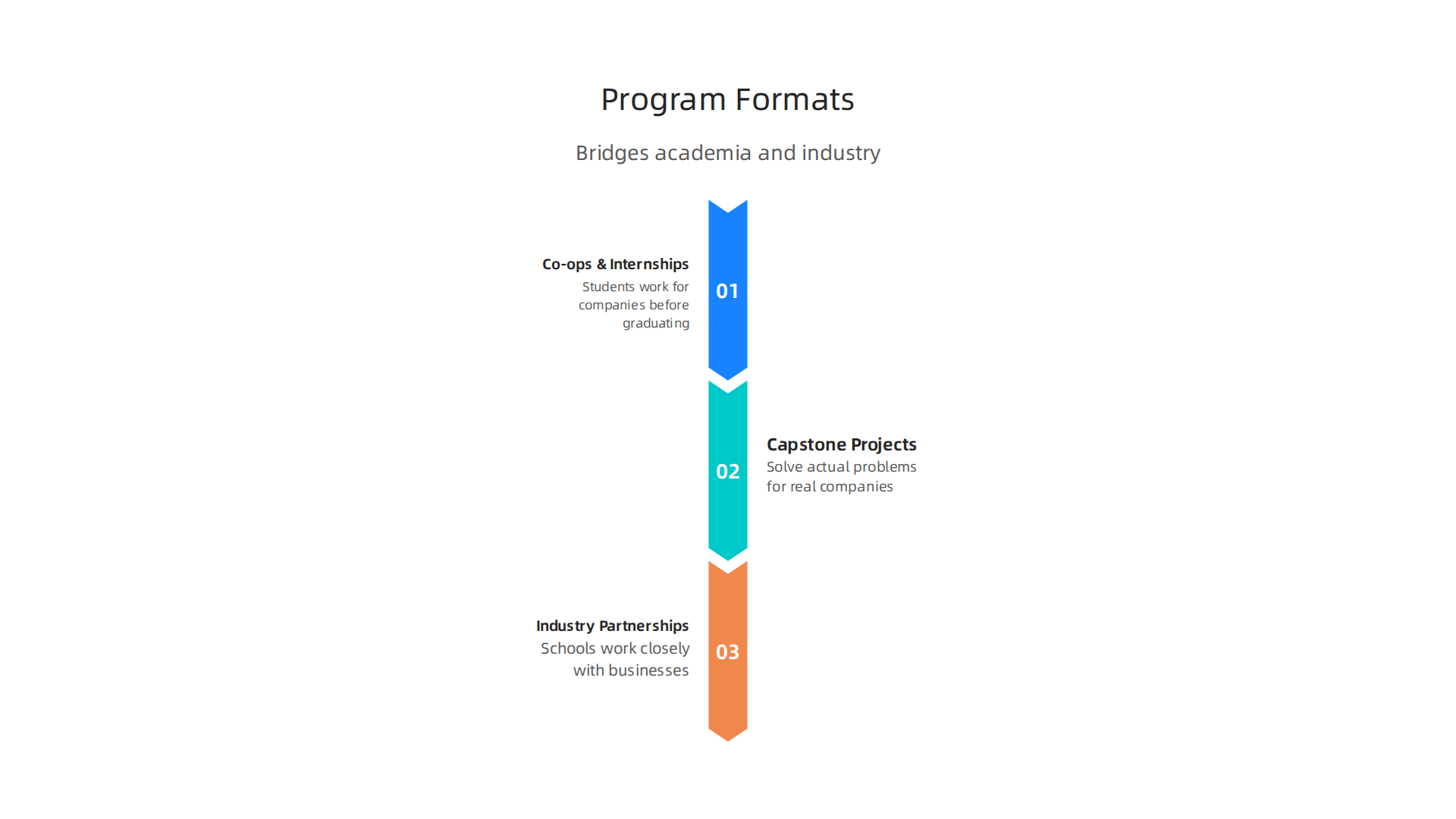
These include:
- Co-ops and Internships: These let students work for companies before they graduate. They gain real-world experience, sometimes even getting paid. This helps them learn what a company needs.
- Capstone Projects: These are big projects that students do in their last year. They often solve actual problems for real companies, like building a new piece of software. It’s like a final test of everything they’ve learned, and these projects are often required for accredited programs 2023 ASEE Annual Conference & Exposition.
- Industry Partnerships: Some schools work closely with businesses to make sure their classes teach the most important skills. This can lead to more opportunities for students, including co-ops and internships ISEN Partnership Program | Texas A&M University Engineering.
These program formats are great because they help new hires come in with practical experience and a better understanding of what enterprise teams do. They bridge the gap between learning in school and working in a fast-paced company. To learn more about different career paths in engineering and IT, check out Demystifying Types of Engineering for Computer Engineering and IT Careers.
Curriculum and the skills enterprise employers actually care about
These strong program formats help new hires come in with practical experience. But what exactly do companies look for in these new hires? It’s not just about having an engineering technology degree. Employers today want specific skills that help their businesses grow and stay safe.
Key Skills for Enterprise Success
When hiring in 2026, enterprise employers prioritize a mix of technical know-how and "people" skills.
Technical Skills:
- Systems Thinking: This means understanding how all parts of a complex system work together. It’s not just fixing one small piece, but seeing the whole picture. For example, understanding how different parts of a computer network or software system affect each other.
- Debugging at Scale: Finding and fixing problems in large, complex systems is crucial. Imagine finding a tiny bug in a program that thousands of people use every day. That takes special skill.
- Security: Keeping company data and systems safe from hacks is more important than ever. Knowledge of basic cybersecurity is a must for any
engineering technology degreegraduate. - Cloud-Native Patterns: Many companies use cloud services like Amazon Web Services (AWS), Google Cloud, or Microsoft Azure. Knowing how to build and run programs directly in the cloud is a big plus. If you’re looking to become a cloud expert, check out a Cloud Engineer Career and Hiring Guide for 2026.
- Artificial Intelligence (AI) Skills: The demand for AI-related skills is growing fast. Employers especially want people who can use AI tools effectively. This has been a top skill for a few years now, according to a 2026 report on corporate recruiters. To understand more about these roles, explore The Enterprise AI Engineer Roadmap for 2026.
Soft Skills:
Even with great technical skills, people need good soft skills to work well in a team. These include:
- Problem-Solving and Critical Thinking: Being able to think clearly and find solutions to tough problems.
- Adaptability and Learning: The tech world changes fast. Being open to learning new things and adapting is key.
- Communication and Teamwork: Being able to talk clearly with teammates and work together on projects.
- Professionalism and Work Ethic: Showing up, doing good work, and being reliable. Many employers struggle to find these basic human skills, as highlighted in a 2026 tech talent outlook report from Experis.
Bridging the Skill Gaps
Sometimes, even with a strong engineering technology degree, new hires might have gaps in what companies truly need. This can happen because school focuses on general knowledge, while companies have very specific ways of working.
Common Gaps:
- Deep Real-World Experience: While internships help, some graduates still need more hands-on time with actual company projects and processes.
- Specialized AI Knowledge: Even with general AI understanding, specific tools or ways of using AI might be new.
- Understanding Enterprise Systems: Large companies use complex systems that are different from what’s taught in basic courses.
How to Bridge Gaps:
- Employer Training: Many companies offer their own training programs to teach new hires the specific tools and methods they use.
- Certifications: Official certifications from tech companies like Google, Amazon, or Microsoft can prove someone has specific skills in cloud security or AI. For example, popular cloud security certifications are very helpful for those wanting to work in cloud-focused roles. You can learn more about these in an article about 7 Popular Cloud Security Certifications for 2026.
- Micro-credentials: These are smaller, focused courses that prove skills in very specific areas, like a certain coding language or a particular cloud service. They can be a quick way to learn exactly what an employer needs.
- Continuous Learning: Whether it’s through online courses, a
software engineer guidebook, or specializeddata analyst training, staying current is a lifelong journey for tech professionals.

For those interested in data, a data science masters degree can provide deep knowledge in a related but distinct field.
Bridging these gaps helps new team members become useful faster. It makes sure that the great foundation from an engineering technology degree turns into real-world success for both the employee and the enterprise.
To stay up-to-date on all the rapidly changing tech and AI skills, consider getting daily insights.
The AI Newsletter Worth Reading
Alternative pathways: bootcamps, microcredentials, apprenticeships, and internal training
While a strong engineering technology degree gives a wide base of knowledge, not everyone follows the same path. Many fast-growing ways to learn skills exist today. These include bootcamps, special small courses called microcredentials, and apprenticeships. Companies also offer their own training. These paths can be quicker and often focus on skills needed right now in jobs.
Strengths of Alternative Paths
Bootcamps and microcredentials are great for learning specific skills fast. For example, a coding bootcamp can teach someone to program in just a few months. This is much faster than a four-year degree. In 2026, many bootcamps report that people who finish them find a job in tech within six months. About 71% of bootcamp graduates get jobs in their new field, sometimes even higher at 79% for programming roles. Also, they often see a big jump in their yearly pay, with an average increase of about 56% after finishing a bootcamp program, as reported in a 2026 analysis of coding bootcamps. The cost is often lower too. A bootcamp might cost around $12,000 to $20,000, while a computer science degree can be much more expensive, from $40,000 to over $100,000 for a public school in the US, according to a 2026 comparison of training options.
Apprenticeships are another great way to learn on the job. People in apprenticeships get hands-on experience and often earn money while learning. Research shows that apprenticeships can greatly improve a person’s chances of getting a job and earning more money later on.
When to Pick Which Path
Deciding between a traditional degree and an alternative path depends on the job.
- When to prefer a degree: For jobs that need very deep understanding of theories, complex problem-solving skills, or roles that involve new research. An
engineering technology degreeis still a top choice for these positions. It gives a broad foundation that helps with many different types of engineering and long-term career growth. For example, some jobs like a senior software architect or a deep research role might benefit more from the wide knowledge gained through a four-year degree or even adata science masters. - When to prefer alternative training: These paths are best for jobs needing specific skills quickly. This could be for a specific programming language, cloud platform tools, or focused
data analyst training. Many employers now see people who complete bootcamps as just as ready for work as those with traditional degrees, with about 72% of employers holding this view. This shows that real-world skills are highly valued.
Companies also use internal training programs to help their staff grow. This is a smart way to build the skills a company needs within its own team. It helps companies adapt to new technologies and keeps their workforce strong. To learn more about strengthening your team from within, explore ways to build your engineering workforce from within.
Both degrees and these newer pathways play an important part in making sure companies have the skilled people they need in 2026 and beyond. It’s all about finding the right fit for the job and the learner.
How to evaluate programs, measure ROI, and make hiring decisions
After understanding the different paths to gaining skills, companies need a clear way to pick the best people.

This means looking closely at training programs and knowing what to expect from new hires. It’s about finding the right fit for your team and making smart choices that help your business grow.
A Checklist for Evaluating Programs
When you look at different education programs, whether it’s an engineering technology degree or a focused data analyst training, here’s what to think about:
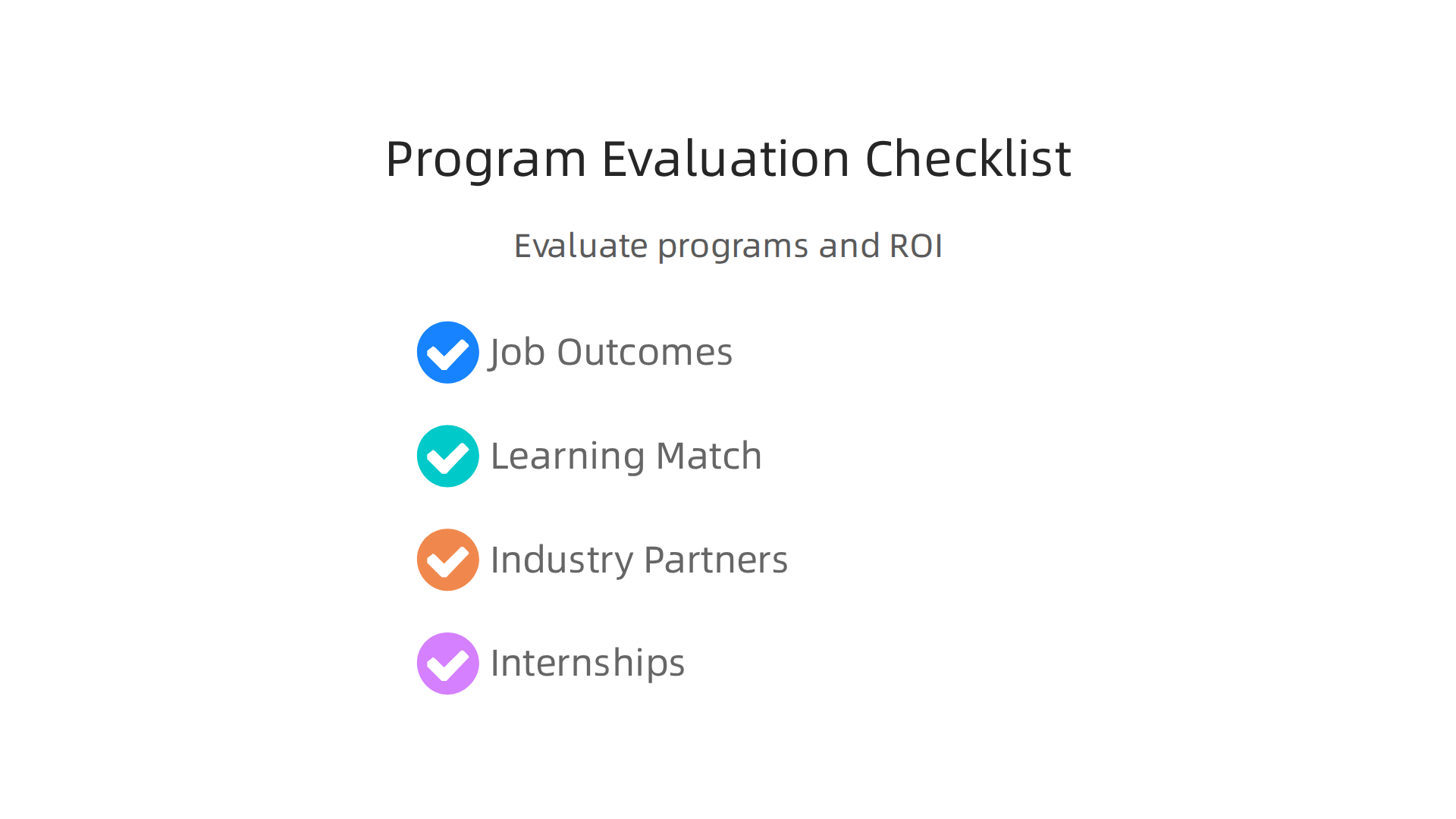
- What are the job outcomes? Check if graduates actually get jobs and how soon. For instance, in 2026, about 7 out of 10 engineering and technology graduates found paid work with an employer within 15 months of finishing school. This is a bit higher than graduates from other fields. Some programs, like those for an
engineering technology degree, also conduct surveys to see how well their students are prepared for the real world. - Does the learning match our needs? Look at what the program teaches. For an
engineering technology degree, a good program will mix technical learning with general education. It should make sure students can apply math and science, and also have hands-on experience, often ending with a big project. You want skills that fit your company’s needs. If you’re looking for new team members, think about what key software development engineering roles and skills in 2026 are most important for your open positions. - Are there industry partners? Programs that work with real companies are often better. This can mean guest speakers, special projects, or even professors who also work in the field. These ties help make sure the learning is fresh and useful for today’s jobs.
- Are internships or co-ops available? Hands-on experience is super important. Programs that set up internships or work placements give students a head start. Companies like Purdue Polytechnic have strong programs that connect students with businesses through projects and internships.
Thinking About Return on Investment (ROI)
For businesses, ROI means getting good value for your investment. When you hire someone, you’re investing in them.
- How fast will they start producing? Some training paths, like bootcamps, aim to get people job-ready very quickly. A new hire with specific
data analyst trainingmight jump into tasks faster than someone with a broader degree who needs more time to learn company-specific tools. - Will they stay with the company? Programs that teach skills well and connect students to real-world problems can lead to happier, more engaged employees. These employees are more likely to stay with your company longer, saving you money on finding and training new people.
- What are the training costs? Sometimes you might hire someone with a great foundation, but they still need to learn your company’s unique ways. Think about how much time and money you’ll spend training them.
- Can they grow with us? An
engineering technology degreeoften provides a wide base that helps people grow into different roles, even adata science masterslater on. Look for candidates who show they can learn new things and take on more senior roles over time. This helps build strong promotion pipelines within your company.
To stay on top of all the fast changes in technology, especially with AI, business leaders need reliable information.
Get clear daily AI updates from The AI Newsletter Worth Reading.
After figuring out how to choose the right training programs and new hires, companies then need to help these new team members grow. This means having good plans in place for them once they join. It is about making sure new hires, especially those with an engineering technology degree, feel supported and can become valuable parts of the company over time.
Growing New Talent
Many businesses, big and small, have special ways to help new people, especially those just starting their careers.
- Early-Career Programs: These are like special paths for new graduates. They might involve rotating through different jobs or teams. This helps someone with an
engineering technology degreesee different parts of the company. It also lets them try out different tasks, perhaps even dipping into projects needingdata analyst trainingor looking at how asoftware engineer guidebookhelps. These programs help new hires understand the business better and find where they fit best. - Mentorship: Pairing new hires with experienced employees is very helpful. A mentor can guide the new person, answer questions, and offer advice. This makes the new hire feel more connected and helps them learn faster. It also helps them develop the "human skills" like working well with others and a strong work ethic, which are very important. Actually, many tech and IT companies in 2026 say they have trouble finding skilled people, partly because of gaps in these key human skills and new AI abilities needed today.
- Ongoing Training: Even after hiring someone with a good background, like an
engineering technology degreeor even adata science masters, learning doesn’t stop. Companies often offer more training to keep skills sharp and up-to-date. This can include workshops or courses on new technologies.
Closing the Skills Gap
Companies are also working hard to make sure there are enough skilled people for future jobs. This means working with schools and other groups.
- Internships and Co-ops: Many businesses partner with colleges to offer internships or co-op programs. These programs give students real-world experience before they even graduate. It’s a great way for companies to find future employees and for students to gain important skills. Such programs are also good for the students because over 70% of engineering and technology graduates found paid work within 15 months of finishing school in 2026, which is higher than other fields.
- Grants and Support: Some companies even offer money or other help to schools or students. This can encourage more people to study fields like an
engineering technology degree. It helps make sure there’s a strong supply of talent in the long run. - Skill-Based Hiring: More companies are now looking at what skills a person has, not just their degree. About 70% of employers use skill-based hiring, which is a jump from last year. This means that even if someone doesn’t have a traditional degree, if they can show they have the right skills, they might still get the job. Learning more about how to recruit and retain top talent with a software engineer fellowship can also help companies grow their teams. In 2026, many hiring managers consider certifications important for checking a candidate’s technical skills.
- Addressing AI Skills: The biggest challenge for companies right now is finding people with AI skills. In 2026, the demand for AI skills grew faster than any other, and 72% of employers say it’s hard to fill roles because of the need for AI capabilities, which is now more in demand than traditional engineering skills. This means companies need to invest in training both new and existing employees in these areas.
By building strong programs and working with education, businesses can make sure they have the right people to help them succeed in the ever-changing world of technology. To learn more about how to grow your team from within, explore IT Talent 2026 Building Your Engineering Workforce from Within.
The world of technology never stops changing, so even after landing a job, learning new things is a must. Companies know this and help their teams keep their skills sharp. This ongoing learning is key for anyone, whether they hold an engineering technology degree or a data science masters. It ensures they stay valuable and grow in their careers.
Certifications for Today’s Tech Jobs
Many jobs in tech today need special skills that can be proven with certifications.
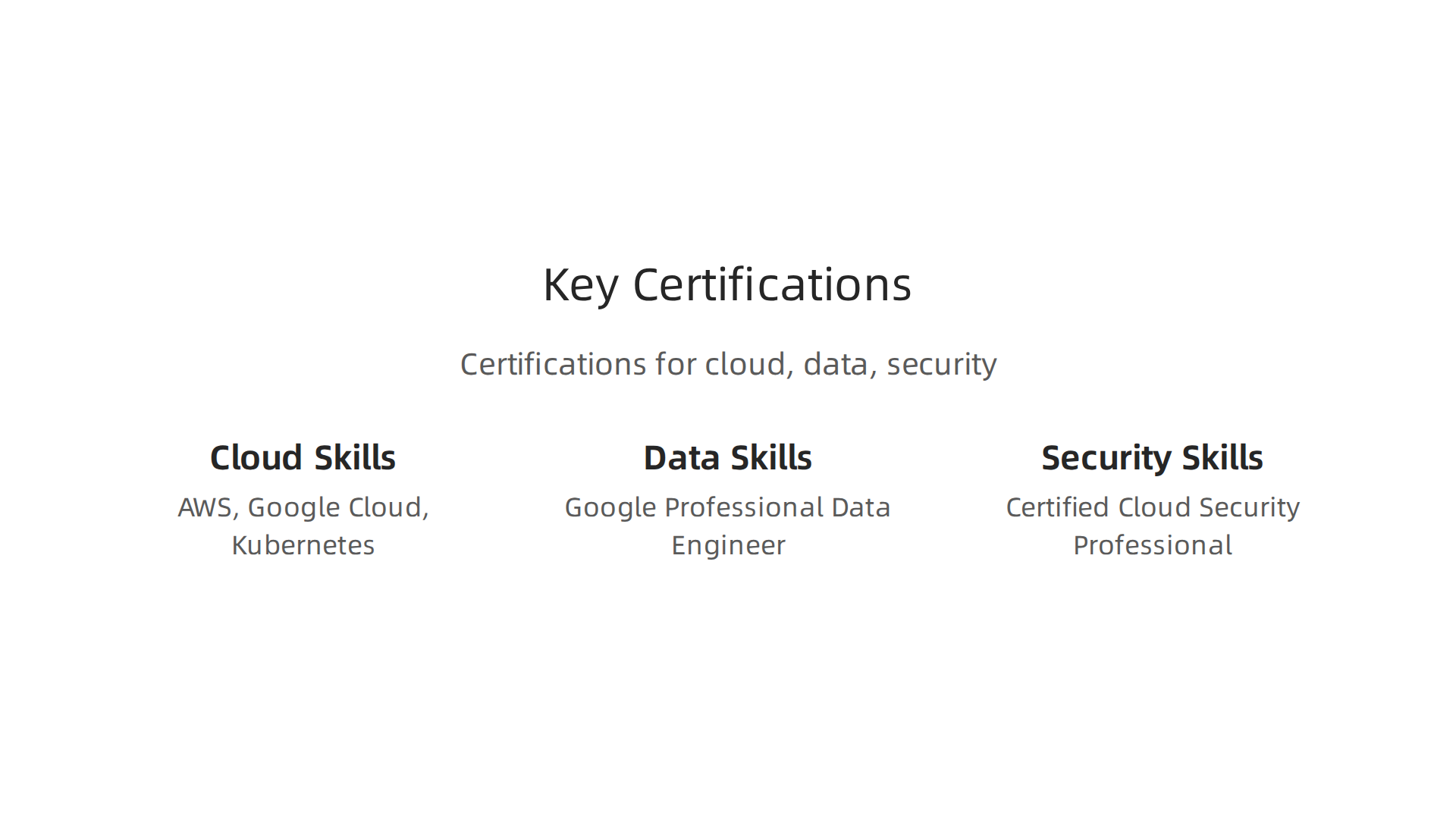
These are like official badges that show you know a lot about a certain area.
- Cloud Skills: Cloud computing is huge in 2026. This means storing and working with data and programs over the internet. Certifications are very popular for cloud jobs. For example, some common ones for cloud engineers are the AWS Certified CloudOps Engineer, Google Associate Cloud Engineer, and Certified Kubernetes Administrator (CKA) credentials [Source: Cloud Computing Skills Employers Are Hiring for in 2026]. For those looking into cloud security, popular options include the AWS Cloud Security Certification, Azure Cloud Security Certification, and Google Cloud Security Certification, as these are from the biggest cloud providers [Source: 7 Popular Cloud Security Certifications for 2026]. You can also find a Cloud Security Engineer Professional Certificate to get started.
- Data Skills: Data is also very important. If you want to work with how data is moved and stored, a Google Professional Data Engineer certification is a good choice [Source: 2026 IT Certification Trends]. This helps if you’ve had
data analyst trainingand want to step up your game. - Security Skills: With more and more important information online, security is a big deal. Many jobs, especially in healthcare or banking, need people to have at least one security certification [Source: The 10 Most In-Demand Tech Certifications for 2026]. The Certified Cloud Security Professional (CCSP) by ISC² is a well-respected one.
To explore all the important skills needed in tech today, you can check out The 2026 List of Technical Skills Enterprise IT Leaders Must Know.
Microcredentials and Online Courses
Besides bigger certifications, there are also smaller ways to learn.
- Microcredentials: Think of these as tiny certifications for very specific skills. They are "bite-sized collections of skills or knowledge" that go well with other degrees or certificates [Source: A Systematic Review of Micro-Credentials, Online Learning]. They help people quickly learn what’s new or fill small gaps in their knowledge without going back to school for a long time. For example, AWS offers microcredentials for specific AI skills [Source: AWS expands AI certification portfolio and updates security].
- MOOCs (Massive Open Online Courses): These are online courses that anyone can take, often for free or a small fee. They can cover anything from a new coding language to how to use a specific software program. These are great for someone who needs
data analyst trainingin a new tool or wants to learn about the latest AI trends.
Keeping Learning Part of Your Job
Companies are finding ways to make continuous learning a regular part of work life.
- Learning Paths: Some companies set up clear learning paths for employees. This means if you want to grow into a certain role, like a lead software engineer, there’s a clear list of courses, certifications, or projects you can do. A software engineer guidebook might even suggest this.
- Time for Learning: The best companies give employees time during work hours to study or take courses. They know that investing in their people helps the whole business grow.
- Connecting Learning to Career: When employees see that learning new skills leads to better jobs, higher pay, or more interesting projects, they are more likely to keep learning. It’s about showing how a new certification or microcredential can open doors.
Staying updated with the latest in technology, especially with AI changing so fast, is a constant effort. To get clear daily AI updates, consider subscribing to The AI Newsletter Worth Reading. It helps business leaders like you navigate the complex world of enterprise AI and technology.
Summary
This guide helps enterprise technology leaders decide whether and how to invest in engineering technology degrees versus alternative training paths like bootcamps, microcredentials, apprenticeships, or internal programs. It explains what engineering technology programs typically offer—hands‑on labs, co‑ops, and capstone projects—and why employers value their blend of practical and theoretical skills. The article outlines the specific technical and soft skills enterprises need in 2026 (systems thinking, cloud and security knowledge, debugging at scale, AI literacy, plus communication and adaptability), and shows common gaps new hires may have. It gives practical ways to bridge those gaps through employer training, certifications, microcredentials, and mentorship, and provides a checklist for evaluating programs and measuring hiring ROI. The guide also compares when to choose a degree versus faster alternatives and recommends steps to grow and retain talent inside your organization. Overall, readers will learn how to make hiring and training decisions that reduce risk, speed up onboarding, and strengthen long‑term workforce capability.