
Demystifying Types of Engineering for Computer Engineering and IT Careers

Why understanding different types of engineering matters for careers in computer engineering and enterprise IT
Have you ever looked at job listings for engineers and felt a bit lost? You’re not alone. In today’s fast-moving world, the lines between different types of engineering can seem blurry. Job titles often overlap, and many roles require a mix of skills that can make it hard to understand where you fit best or what path to take next.

This is especially true for those interested in computer engineering careers and enterprise IT leadership.
For example, a role asking for a "software engineer" might sound very similar to one for an "application engineer," but the daily tasks and required expertise can be quite different. This confusion makes it tough for engineers to plan their career paths. It also makes it hard for leaders hiring new talent to truly understand who they need and what skills are most important. Knowing the nuances of a computer engineer career description is critical, but it’s just one piece of the puzzle.
Actually, the world of computing disciplines, including computer science and computer engineering, has grown and blended over time, bringing in ideas from areas like operations research and information science. This blending of disciplines means that many roles now demand skills from several fields at once 1.
The goal of this article is to clear up this confusion. We will give you a simple way to understand the different types of engineering, especially those that touch computer engineering, enterprise software, and IT leadership. You’ll get practical advice for your career, whether you’re wondering about the typical software engineering wage or how to tailor your data analyst resume for an enterprise role. We’ll help you make smarter choices for your professional journey in 2026 and beyond.
Staying updated with the rapid changes and new ideas in enterprise technology is key to navigating these complex fields.
Get clear daily AI updates from The AI Newsletter Worth Reading.
To truly understand the many job titles and career paths in enterprise IT, we must first look at the main kinds of engineering. Knowing these core disciplines helps clear up why some roles seem to blend together. Here are the basic definitions of different types of engineering you’ll often see.
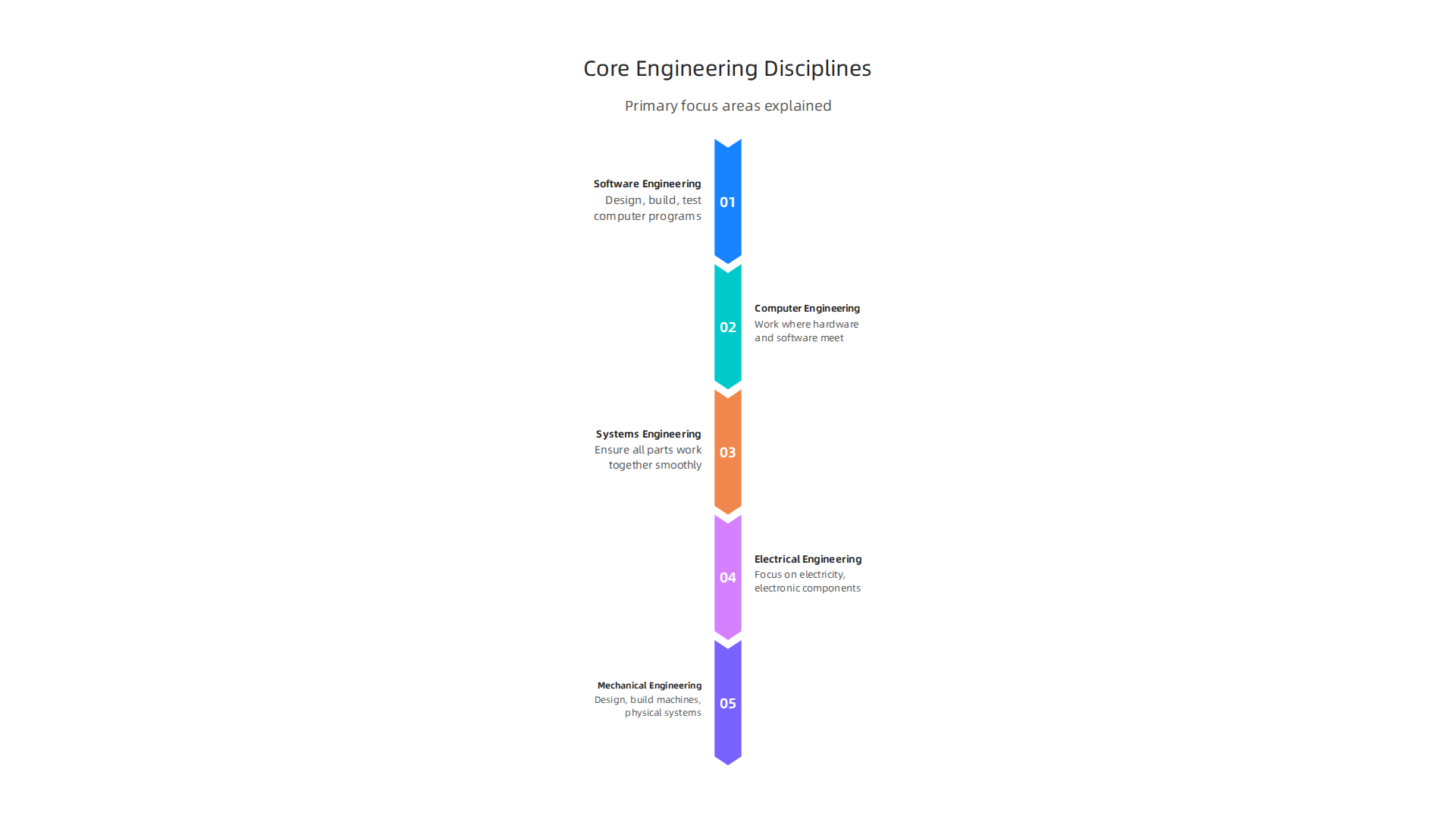
Software Engineering
Software engineers are like architects for computer programs. They design, build, and test the software that makes computers, phones, and enterprise systems work. This can be anything from a simple app on your phone to complex programs that run big companies. They write the code and make sure it’s reliable and does what it’s supposed to. An application engineer often works closely with customers to make sure the software meets their specific needs, using these core software engineering skills.
Computer Engineering
Computer engineers work where hardware and software meet. They design the physical parts of a computer system, like circuit boards and processors, but also write the software that makes those parts talk to each other. Think of them as the people who make smart devices, embedded systems, or parts of larger computer networks. Their work is a mix of electrical engineering and computer science, and understanding a computer engineer career description shows this blend.
Systems Engineering
Systems engineers look at the big picture. They make sure that all parts of a complex project, whether it’s building a new IT network or a spaceship, work together smoothly. This includes not just the technology but also the people, processes, and even the environment. They focus on how to design, manage, and use large systems effectively from start to finish. This discipline is about making sure everything connects and operates as one successful whole. If you are interested in the complete cycle of software development for an enterprise, it’s worth exploring why System Development Life Cycle software remains critical for enterprise IT leaders.
Electrical Engineering
Electrical engineers focus on electricity and electronic components. They design circuits, power systems, and control systems. From the power grid that lights up our homes to the tiny chips in our phones, electrical engineers are behind it. This field is very important for computer engineering because computers rely heavily on electronic circuits and components.
Mechanical Engineering
Mechanical engineers design and build machines and physical systems. They work on everything from car engines to robotic arms. While it might seem less directly related to software, mechanical engineering plays a role in areas like robotics, automation, and physical data center infrastructure, where software controls physical machines.
Actually, many modern engineering roles mix skills from these core areas. This is why you see hybrid roles like firmware engineers, who blend software, computer, and electrical engineering to create software that runs directly on hardware. Site reliability engineers, for instance, combine software engineering with systems engineering to ensure online services are stable and perform well. This blending of skills is a core part of the modern technology landscape, as computing disciplines continue to evolve and overlap, often bringing in new ideas from many fields to create comprehensive solutions 2. These different types of engineering often work hand-in-hand to build the complex enterprise technology domains we rely on every day.
Modern engineering roles often combine skills from different areas. So, when employers look for talent, they consider a mix of technical know-how and other important abilities. Understanding these skills helps businesses find the right people for their teams.
Core Skills for Different Types of Engineering
Each type of engineering needs its own set of technical skills. But many also share common "soft" skills that help engineers work well with others.
- Software Engineers: They need to be great at coding in languages like Python or Java. They also need to understand how to design and test software. This includes knowing about data structures and how to build programs that work well on cloud platforms. For an application engineer, working with customers is key, so they need good communication alongside their coding skills. Employers often seek these abilities, and knowing this can influence a software engineering wage.
- Computer Engineers: These engineers should know a lot about designing computer hardware, like circuit boards. They also write the special software that makes these parts talk to each other. Skills in embedded systems and computer networking are very important here.
- Systems Engineers: Their main skill is seeing the big picture. They need to manage large projects, connect different parts, and make sure everything works together. This means being good at planning, understanding how risks might affect a project, and checking that all steps are followed.
- Electrical Engineers: They must be experts in electricity and electronics. Designing circuits, power systems, and control systems are their main jobs.
- Mechanical Engineers: While often focused on physical machines, their skills are also useful in tech. They might work on robotics or the cooling systems for large data centers. Understanding design software (CAD) and how things move is key. Traditional engineering roles like mechanical and electrical engineers remain in high demand, according to a report on engineering skills needs into the future.
Important Soft Skills for All Engineers
Beyond technical knowledge, there are skills every engineer needs to succeed. These are often called "soft skills," and employers value them highly.
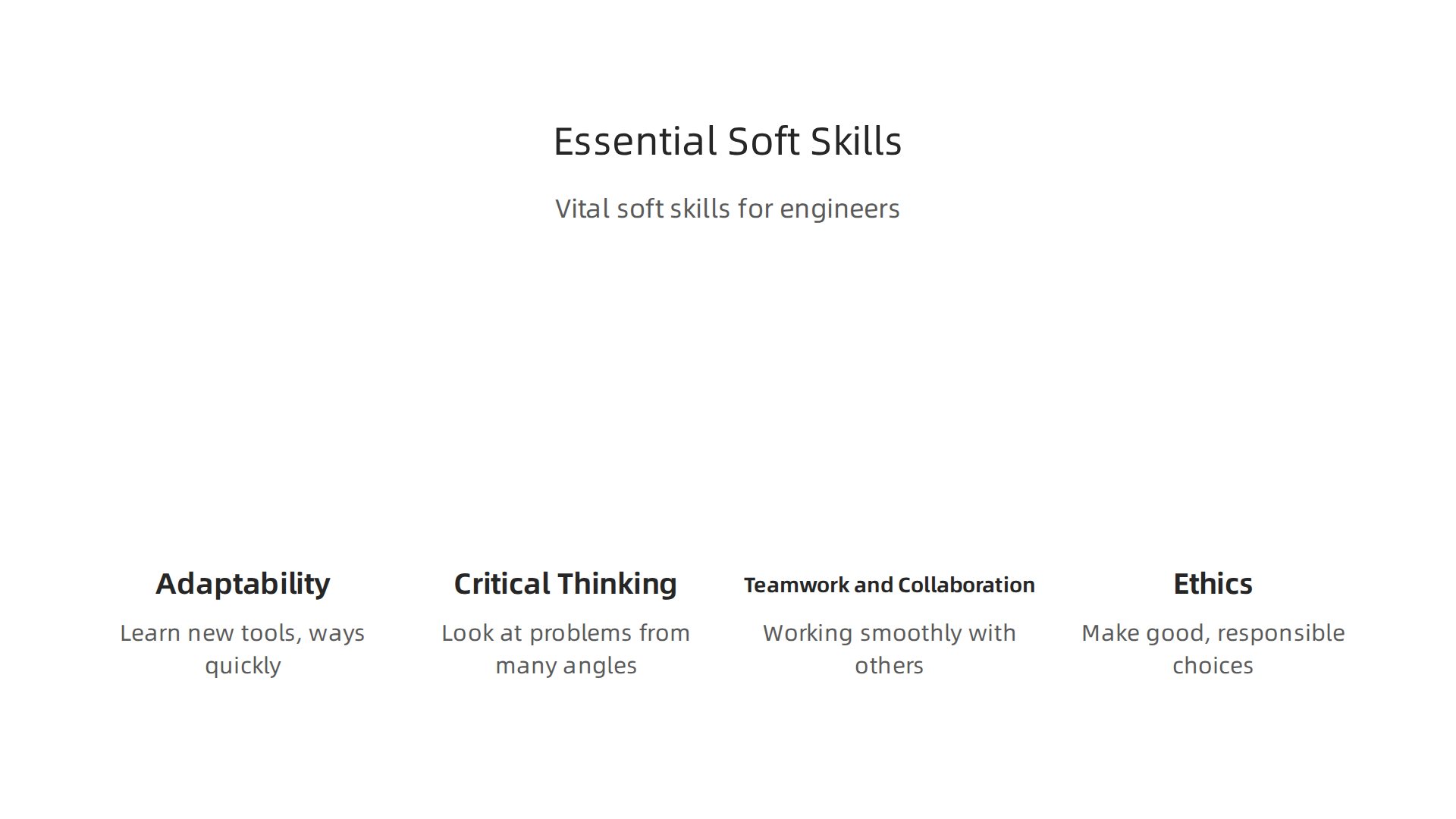
Things like problem-solving, being able to think creatively, and working well in a team are super important.

Good communication skills are also key so engineers can share their ideas clearly. In 2026, many companies report it’s hard to find people with these softer skills, along with specialized technical abilities such as sustainability knowledge 3.
Other vital soft skills include:
- Adaptability: Being able to learn new tools and ways of doing things quickly.
- Critical Thinking: Being able to look at a problem from many angles.
- Teamwork and Collaboration: Working smoothly with others to reach a shared goal.
- Ethics: Making good and responsible choices in their work. Many common skills across engineering fields include ethics and teamwork 4.
For roles that mix different types of engineering, like digital engineering or data analytics, skills in strategic thinking and creativity are also needed. These blend technical knowledge with strong planning and new ideas 5.
Building a Skills Inventory for Your Team
For businesses, knowing what skills you have and what you need is very important. This helps with hiring new people, moving current employees to new roles, and deciding what new training to invest in.
- List Required Skills: Create a clear list of all the technical and soft skills needed for each job role. This can help define a clear computer engineer career description or what is needed for an application engineer.
- Assess Current Skills: Look at your current team’s abilities. You can do this through performance reviews, surveys, or even one-on-one chats. This helps you see where your team is strong and where there might be gaps. A company’s capabilities can be evaluated through a "skills audit" to see what expertise is needed for current and future work 6.
- Plan for the Future: Think about what new technologies or projects your company will take on. What skills will you need then? For example, with more companies using AI, skills in that area are becoming very valuable. If you need to build your workforce from within, consider how to upskill your current team members.
- Invest in Learning: Once you know your skill gaps, create training programs. This can be online courses, workshops, or even mentoring. Giving employees a chance to learn new things helps them grow and keeps your company strong. Engineers need to keep learning new digital, data, and sustainability skills, along with leadership and communication 7.
Keeping track of these skills helps your company stay ready for what’s next. It also helps you write better job descriptions and review applications, even for something as detailed as a data analyst resume.
Want to stay informed about the latest tech trends shaping enterprise decisions?
The world of AI and enterprise technology changes every day. Keep up with the latest insights.
The AI Newsletter Worth Reading
After a company understands the skills it needs, the next step is to look at how people actually gain these skills. There are many ways to become an engineer, whether you aim for a specific role like an application engineer or a broader field. Let’s explore the common paths: traditional degrees, special certifications, and hands-on learning.

Education, Certifications, and Alternative Pathways (Bootcamps, Degrees, On-the-Job Learning)
When thinking about a career in engineering, choosing the right learning path is very important. Each path offers different benefits and fits different career stages and types of employers.
Formal University Degrees
Many engineers start with a four-year university degree. This path gives you a deep understanding of math, science, and engineering principles. A degree is often seen as a strong starting point, especially for roles in certain types of engineering like electrical or mechanical. It also helps with jobs that need a professional license. For example, a detailed computer engineer career description might mention a bachelor’s degree in computer engineering.
The main benefits of a degree include:
- Strong Foundation: You learn a lot of theory that helps you solve complex problems.
- Broad Skills: You get a wide range of knowledge, which can be good for many different types of engineering jobs.
- Industry Recognition: Many companies, especially larger ones, still prefer candidates with degrees for entry-level positions.
However, getting a degree takes time and money. It can take four years or more, and tuition costs can be high.
Professional Certifications
Certifications are like badges that show you are good at a specific skill. For instance, you can get certified in cloud computing, cybersecurity, or certain software tools. These are great for showing that you have up-to-date skills in areas where demand is high. For example, in 2026, many companies need people with skills in AI and machine learning, and certifications can help fill these gaps quickly. The State of Tech Talent Report shows a high need for these specialized skills.
Certifications are good because they:
- Focus on Specific Skills: They teach you exactly what you need for a certain job.
- Faster to Get: You can often earn a certification much faster than a degree.
- Boost Your Resume: They tell employers you’re serious about learning and staying current.
They are especially useful for people who already have some experience but need to learn new technologies quickly.
Experiential Pathways: Bootcamps and On-the-Job Learning
Another way to get into engineering is through hands-on experience.
- Bootcamps: These are short, intense training programs, often lasting a few months. They focus on practical skills like coding for a software engineering wage or web development. Bootcamps are great for people who want to change careers fast or learn specific, in-demand skills.
- On-the-Job Learning: Sometimes, the best way to learn is by doing the work itself. This could be through internships, apprenticeships, or entry-level jobs where you learn from more experienced engineers. Many companies also invest in training their current employees to help them grow into new roles. This is a smart way for businesses to build their team’s skills from within, as discussed in the guide to IT Talent 2026 Building Your Engineering Workforce From Within.
These paths are beneficial because they offer:
- Practical Skills: You learn by doing, which helps you apply knowledge directly.
- Real-World Experience: Internships and entry-level jobs give you valuable work history.
- Speed: Bootcamps and quick learning on the job can get you into a career faster than a traditional degree.
Choosing the Right Path for You
Deciding which pathway is best depends on your goals, how much time you have, and the kind of job you want.
- For Newcomers: If you’re just starting and want a broad understanding, a university degree might be best. If you want to jump into tech quickly with specific skills, a bootcamp could be a good fit.
- For Experienced Workers: If you already have some experience but need to learn new tech, certifications can update your skills without a long degree program. On-the-job learning is also great for moving up or sideways in your career.
- Employer Preferences: Large, traditional companies might lean towards candidates with degrees. Smaller startups or tech companies might value practical skills and certifications more. They care about what you can do.
No matter the path, the most important thing is to keep learning. The world of engineering, with its many different types of engineering, changes all the time. Staying curious and open to new knowledge will always help you succeed.
The journey of an engineer doesn’t stop once skills are learned. Instead, it moves into a path of growth and new challenges. Within enterprise software companies, engineers can follow different career paths, each with its own focus and rewards. Let’s look at the common ways engineers move up and across in their jobs.
The Technical Ladder (Individual Contributor or IC)
For many engineers, the main goal is to become very good at the technical side of things. This is called the Individual Contributor, or IC, path. You might start as a Junior Engineer, then grow into an Engineer, then a Senior Engineer. As you get more experience, you might become a Principal Engineer or even an Architect.
On this path, your main job is to solve hard technical problems. You focus on:
- Writing Code: Making sure the software works well and is easy to maintain.
- Designing Systems: Creating how different parts of a software system talk to each other.
- Finding Solutions: Solving tough technical puzzles that make products better.
For example, a senior software engineer might be responsible for making a complex system faster or more reliable. This path is for those who love deep technical work and want to be experts in their field. You can learn more about specific key software development engineering roles and skills in 2026.
The Management Ladder
Another common path is to move into management. This usually starts when a Senior Engineer becomes a Team Lead. From there, you could become an Engineering Manager, then a Director, and even a Vice President of Engineering.
On the management ladder, your focus shifts from writing code to leading people. Your main tasks include:
- Guiding Teams: Helping your team members grow and do their best work.
- Managing Projects: Making sure projects are finished on time and meet goals.
- Setting Strategy: Deciding what technical work the team should focus on.
While you might still have a technical background, you spend more time helping others succeed and less time on hands-on coding. This is a great path for those who enjoy helping people and shaping the direction of projects.
Architect and Principal Roles
These are often seen as the highest technical positions on the IC ladder. An Architect or Principal Engineer is a super expert who sets the technical vision for big parts of a product or even the whole company. They usually don’t manage people directly. Instead, they lead through their deep knowledge and help other engineers with hard technical decisions. These roles are critical across many different types of engineering, ensuring that complex systems are built correctly.
Hybrid Paths
Sometimes, careers are not so clear-cut. Some engineers follow a "hybrid" path, mixing technical work with leadership duties. For example, a "Tech Lead Manager" might still write code and design systems while also guiding a small team. These hybrid roles are common in companies that value both deep technical skill and strong leadership.
The right career pathway for you depends on what you enjoy most and what you are good at. The world of enterprise software is always changing, so no matter which path you choose, keep learning and growing your skills.
If you’re a business leader looking to keep up with the latest in AI and technology to guide your team’s career paths, you need to stay informed.
The AI Newsletter Worth Reading delivers clear daily AI updates right to your inbox.
The career paths we just talked about are shaped by what the market needs right now. In 2026, some engineering areas are growing much faster than others. This is important for both engineers planning their next steps and for business leaders looking to build strong teams.
Where Engineering Jobs Are Growing Fastest
The demand for different types of engineering has changed a lot, especially in the last few years. Here’s where the strongest growth is happening:
-
Artificial Intelligence (AI) Engineering: This is the biggest growth area. Jobs for AI engineers are popping up everywhere. In fact, AI Engineer was named the number one fastest-growing job in the United States in 2025, with job postings going up by 143% in just one year. This means roles like Machine Learning (ML) engineers are seeing huge demand across many industries in 2026. However, it’s worth noting that general AI hiring is cooling a bit, but very specific AI roles such as platform, infrastructure, MLOps (Machine Learning Operations), and evaluation roles are hotter than ever AI Hiring Cools — Except Where It Matters Most. You can learn more about this by exploring The 2026 AI Jobs Landscape Critical Insights For Enterprise Leaders.
-
Cloud Infrastructure: Cloud experts are still very much needed. As more companies move their work to the cloud, they need engineers who can build and manage these systems. Having skills in popular cloud platforms like Azure and AWS is very helpful. Demand for engineers has surged due to the rapid digital infrastructure build-out, including data centers The Most In-Demand Engineering Jobs & Where the Industry is …. You might want to consider a cloud engineer career and hiring guide for 2026.
-
Cybersecurity Engineering: Keeping systems safe from attacks is more important than ever. Cybersecurity engineers are in high demand, with many new jobs created in 2026 alone to protect important data

2026 Technology job market: In-demand roles and hiring trends.
-
Data Engineering: With so much data being created, companies need data engineers to build systems that collect, store, and process it. This helps them make smart decisions. These roles are often closely linked with AI and machine learning.
-
Embedded and Infrastructure Engineering: These areas focus on the low-level technical work that makes everything else run. Think of the software in smart devices (embedded) or the core systems that support cloud services (infrastructure). Demand here is staying strong.
Advice for Leaders and Engineers
For business leaders, understanding these trends is key for workforce planning. You need to know which skills your team needs most. This means thinking about how you can train your current engineers or find new talent with skills in AI, cloud, and cybersecurity. Building strong teams requires looking at current market demands IT Talent 2026 Building Your Engineering Workforce From Within.
For engineers, this means it’s a good time to learn new things. If you’re looking to grow, focusing on skills in AI/ML, cloud platforms, and cybersecurity can really boost your career. Even if you’re a generalist, having an understanding of these hot areas is important. For example, a software engineering wage can see a big jump with specialized AI skills. Many reports show that AI engineers are getting high salaries in 2026 AI Engineer Job Outlook 2026: Trends, Salaries, and Skills. So, if you’re a computer engineer, adding AI to your skill set could be a smart move.
The job market in 2026 clearly shows a shift towards these specialized areas. Staying updated and learning new skills will help both companies and individual engineers succeed.
The job market in 2026 is changing quickly, and engineers need to keep learning to stay ahead. If you’re looking to move into new areas like enterprise software, join an AI team, or step into a leadership role, having a plan for learning new skills is key. This isn’t just about picking up a few new tricks; it’s about making smart career choices to match the demand for different types of engineering expertise.
Transition and Upskilling Playbook: Moving from Engineering into Enterprise Software Roles, AI Teams, and Leadership
Making a big career move takes thought and effort. Here’s a step-by-step guide to help you transition smoothly, whether you’re a seasoned computer engineer or an application engineer looking to shift gears.
Step-by-Step Upskilling Plan
Your upskilling journey can be broken down into short-term actions, mid-term projects, and long-term career moves.
-
Short-Term Actions (First 1-3 Months): Laying the Foundation
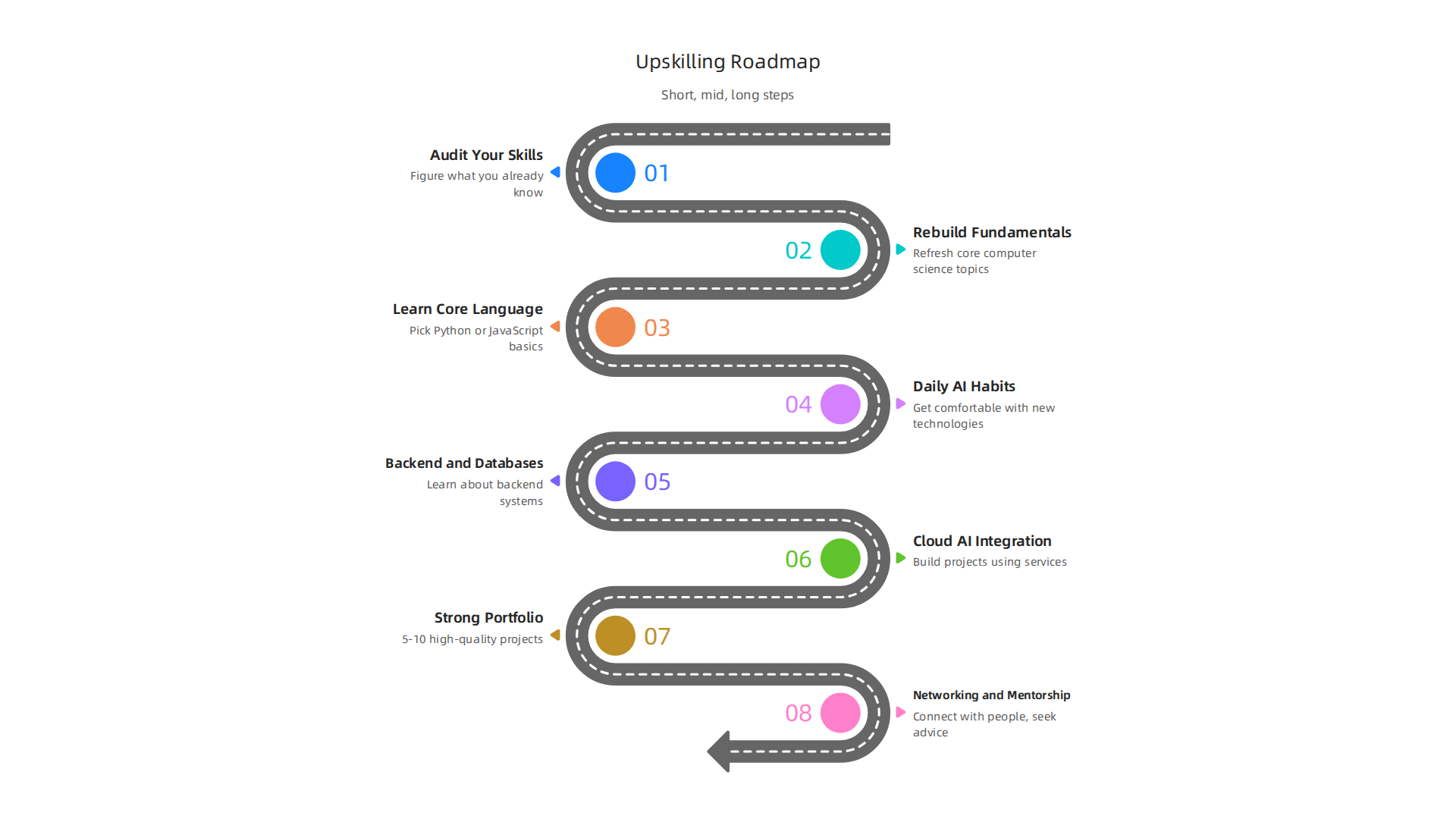
- Audit Your Skills: First, figure out what you already know and what you need to learn. Tools like roadmap.sh can help you see skill gaps in your current work, according to the Software Engineering Skills Roadmap 2026 Software Engineering Skills Roadmap 2026: How to Level Up ….
- Rebuild Fundamentals: If you’re aiming for enterprise software or AI, refresh your understanding of core computer science topics like operating systems, networks, and databases. You don’t need to be an expert in everything, but a solid base helps, as noted in The 2026 Computer Science Playbook The 2026 Computer Science Playbook: How to Learn ….
- Learn a Core Language: Pick a strong programming language like Python or JavaScript. Focus on learning the basics really well before jumping to other languages. Many roadmaps, like the Software Engineering Roadmap for Beginners 2026, suggest starting with these for building foundational skills Software Engineering Roadmap for Beginners 2026.
- Start Daily AI Habits: Even 30 minutes a day using AI tools can make a big difference. This helps you get comfortable with new technologies that are changing the way we work, according to guides on AI Upskilling 2026 AI Upskilling 2026: Stay Relevant as 80% Must Retrain.
-
Mid-Term Projects (Months 3-6): Building and Applying
- Backend and Databases: Start learning about backend systems and how to work with databases. This is important for many enterprise software roles.
- Cloud and AI Integration: Begin building projects that use cloud services (like AWS or Azure) and AI tools. For example, you could work on simple AI projects like chatbots or tools that use machine learning. A 2026 Software Eng Roadmap suggests building projects that use AI pipelines and containerization with Docker 2026 Software Eng Roadmap.
- Practical Application: Create small, real-world projects. This helps you apply what you’ve learned and build a portfolio. You can find many ideas and roadmaps for software development that emphasize practical projects Proven 2026 Software Development Roadmap.
-
Long-Term Career Moves (Months 7+): Showcasing and Leading
- Build a Strong Portfolio: Aim for at least 5-10 high-quality projects on GitHub. These projects show what you can do and are crucial for recruiters. For tips on creating a portfolio, check out this Software Engineer Career Roadmap for 2026 Software Engineer Career Roadmap for 2026 – Resumly.ai.
- Networking and Mentorship: Connect with people in the fields you want to enter. Mentors can offer valuable advice and open doors.

* **Continuous Learning:** The tech world never stops changing. Stay updated with new tools and trends, especially in AI and cloud. For a broader look at skill growth, explore [Key Software Development Engineering Roles And Skills In 2026](https://enterprisesoftwarenews.com/key-software-development-engineering-roles-and-skills-in-2026).
Actions for Recruiters and Hiring Managers
When you’re making a lateral move, how you present yourself matters a lot.
- Showcase Your Projects: Your project portfolio is your resume in action. It tells hiring managers what you can build. For instance, if you’re targeting a data analyst role, make sure your data analyst resume highlights projects where you’ve cleaned, analyzed, and visualized data.
- Tailor Your Resume: Update your resume to reflect your new skills and career goals. Use keywords that match the job descriptions you’re applying for, even if your past roles focused on different types of engineering.
- Practice for Interviews: Be ready to talk about your projects, your problem-solving skills, and how you learn new things. Technical interviews often focus on how you think and approach problems, not just what you know. For those aiming at AI roles, practicing for the specific questions in that field can influence your software engineering wage offers.
- Highlight Soft Skills: Leadership roles require strong communication, teamwork, and problem-solving skills. Make sure you can show how you’ve used these skills, even in technical roles.
Staying current with tech trends, especially in AI, is critical. To help you stay informed and make smart career choices, we recommend The AI Newsletter Worth Reading. Get clear daily AI updates from The Deep View Newsletter to boost your understanding of the rapidly evolving landscape.
Summary
This article clears up confusion about overlapping engineering job titles and explains the main types of engineering—software, computer, systems, electrical, and mechanical—and how they intersect in enterprise IT and computer engineering careers. It outlines the core technical skills each discipline needs, the soft skills employers prize, and practical ways organizations can audit and build the skills their teams need. The piece compares education paths (degrees, certifications, bootcamps, on-the-job learning) and shows how those choices affect hiring and career progression. Readers get clear guidance on career ladders (individual contributor, management, and hybrid roles), where demand is growing fastest (AI, cloud, cybersecurity, data), and a step-by-step upskilling playbook to move into enterprise software, AI teams, or leadership. The article is aimed at engineers planning next steps and leaders designing workforce strategies for 2026 and beyond.