Galaxy AI Platform Selection for Enterprise Leaders 2026

Why Enterprise Leaders Must Get Vendor AI Strategy Right in 2026
In 2026, many companies are looking to use Artificial Intelligence (AI) to do things better and faster. But picking the right AI helper, also called a vendor, is a really big deal. It’s not just about finding any AI; it’s about finding one that truly works for your business. When you think about all the "galaxy ai" solutions out there, it can feel overwhelming.
Enterprise leaders have a tough job. They need to choose AI tools that can grow with their company, fit easily with their other computer programs, and keep their business safe from risks.

If they get this choice wrong, it can cost a lot of time and money. It’s like building a house and picking the wrong foundation. That’s why having a smart plan for choosing AI vendors is super important this year.
This article will help you understand the big picture of AI for businesses right now. We’ll look at what the term "galaxy ai" really means when vendors talk about their products. We will also explore how these tools fit into your daily work, keeping in mind the many different applications of AI. You’ll learn about important security steps and how to pick the best AI vendor for your company’s needs.
We’ll even give you checklists to make sure you ask the right questions. For example, some companies like ECI Software Solutions are already thinking ahead about how their tools can integrate with AI.
Choosing the right AI partner is a major step. It’s about finding that "real magic ai" that transforms your operations, not just another piece of software. It can also help uncover "stealth ai" tools that might be hiding in plain sight, improving things you didn’t even know could be better. To help you make smart choices, many guides are available, like an Enterprise AI Platform Buyer’s Guide (2026). This will help you learn how to Select Top AI Companies in 2026 without falling for just hype.
Staying on top of the latest in AI and technology is key for any leader.
Get clear daily AI updates from The AI Newsletter Worth Reading.
The world of enterprise AI in 2026 is a big and busy place. To choose the best AI for your company, it helps to know how the market is set up. You’ll find three main kinds of AI offerings:
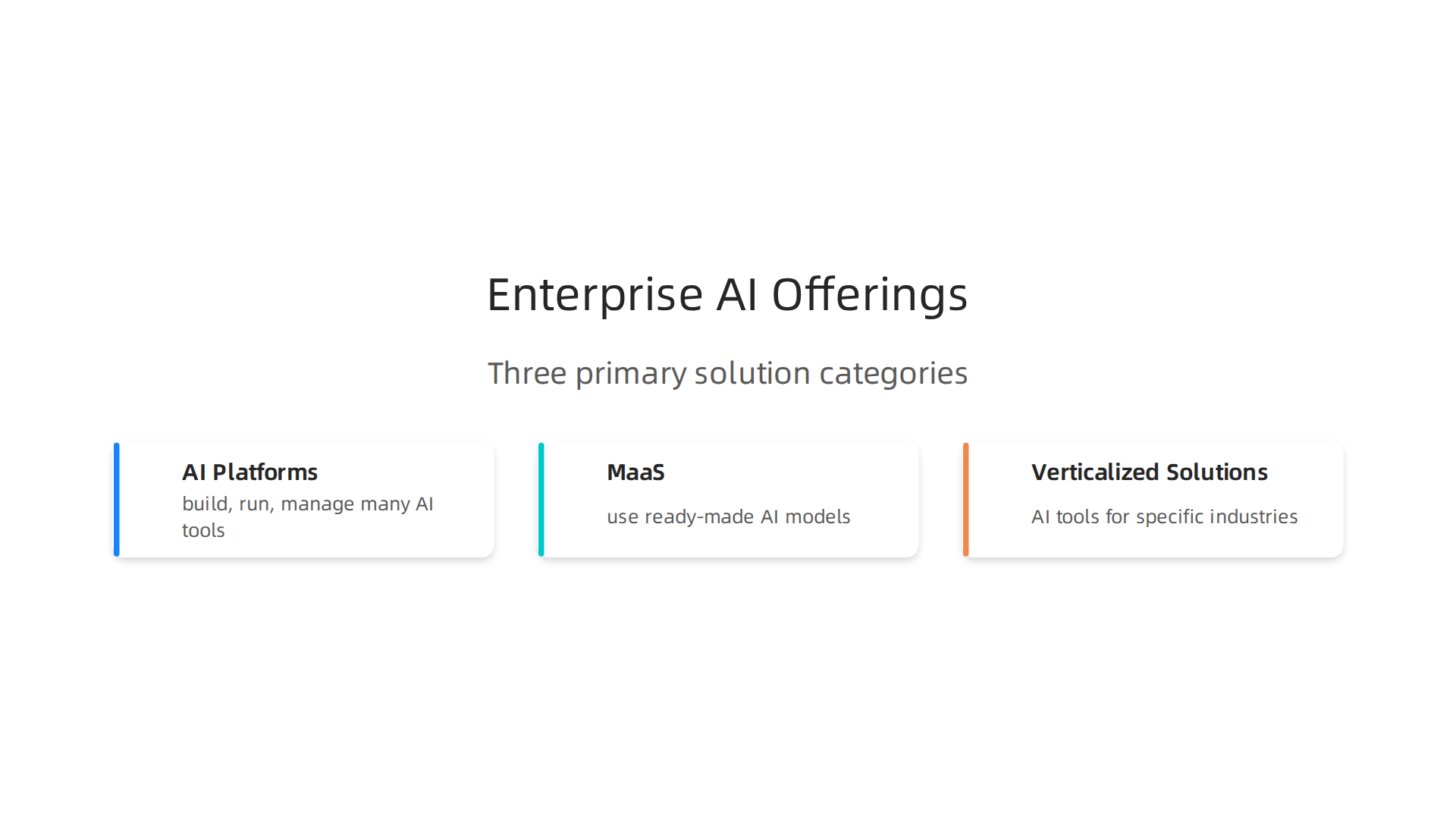
- AI Platforms: These are like big toolkits. They give companies everything they need to build, run, and manage many different AI tools in one place. Think of them as a central hub for all your AI projects.
- Models-as-a-Service (MaaS): This is when companies use ready-made AI models that someone else has built. You don’t have to create the AI from scratch. You just plug into their service. It’s often easier and faster to get started this way.
- Verticalized Solutions: These are AI tools made just for specific types of businesses or industries. For example, an AI tool might be designed only for hospitals to help with patient care, or only for banks to spot fraud. These solutions are very good at one specific job.
When vendors talk about "galaxy ai," they usually mean an AI system that combines many of these things. It’s often a platform that offers a wide range of AI applications. The idea is that it’s a universe of AI tools that can all work together to solve many different problems for your business. It’s about finding that real magic ai that truly transforms what you do.
We’re also seeing a trend called "consolidation" in the AI market this year. This means that many smaller AI companies are being bought by bigger ones. While this might lead to fewer choices in some areas, it can also mean that the AI tools become stronger and more complete as different parts come together.
For enterprise leaders, knowing what to look for is key. You’ll want to find vendors that offer tools with flexibility, meaning they can change and grow with your business.

It’s also super important that they can connect easily with your existing computer systems. This is called interoperability. You also need to make sure the vendor’s solutions are "AI ready" for future needs. According to research, looking at factors like flexibility and interoperability is vital for evaluating analytical databases and other AI tools today IDC MarketScape: Worldwide Analytical Databases 2025–2026 Vendor Assessment.
Focusing on these signals can help you pick the best AI partner, avoid problems, and ensure your company’s enterprise AI adoption in 2026 is a success.
When you’re trying to pick the right AI partner, understanding what a full "galaxy ai" platform offers is very important. These platforms are designed to give your business a wide range of tools and features that can grow with you. They’re more than just one AI program; they’re a whole environment where many AI tasks can happen.
Core Capabilities of a Galaxy AI Platform
A true galaxy ai platform brings many helpful things together. Here’s what you can typically expect:
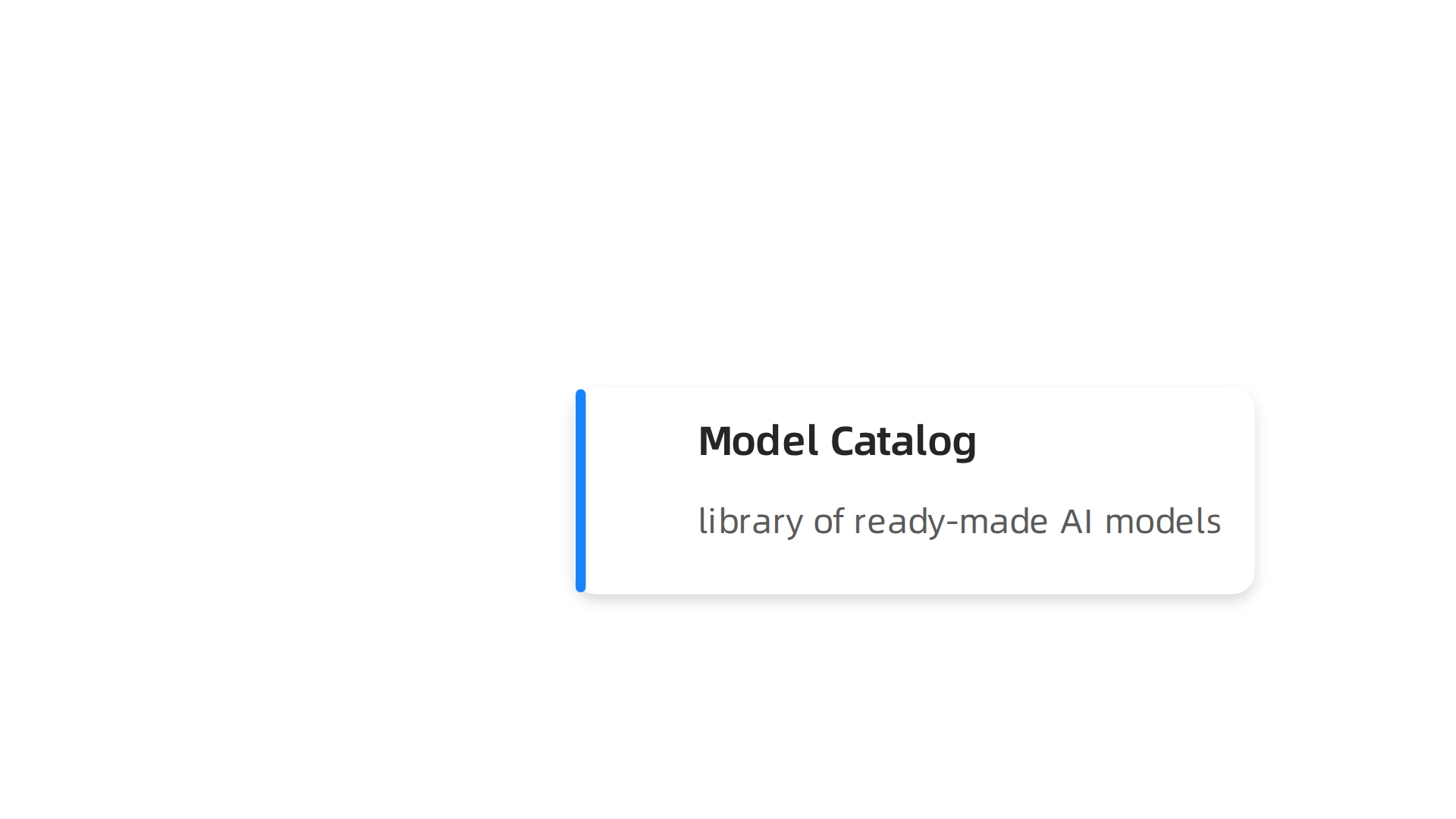
- Model Catalog: This is like a library full of ready-made AI models. You can pick and choose models for different jobs, like understanding text, recognizing pictures, or making predictions. This means you don’t have to build every AI tool from scratch.
- Multi-Model Orchestration: Imagine you have many different AI tools. This feature helps them all work together smoothly, even if they were built for different purposes. It makes sure all your AI applications run in harmony.
- Data Connectors: Your business has data everywhere: in spreadsheets, databases, and cloud services. A good AI platform will have ways to connect to all these different places. This makes it easy for the AI to get the information it needs to do its job.
- Developer Tooling: For those who want to create new AI solutions or tweak existing ones, these platforms offer tools for developers. This includes special software kits and ways to test new AI applications.
If you are looking at different options, a useful guide can help you compare them. For instance, the Enterprise AI Platform Buyer’s Guide (2026) offers insights into selecting the right platform.
Extensibility for Future Growth
One of the best things about a galaxy ai system is how much you can change and add to it. This "extensibility" means it won’t become outdated quickly and can adapt as your business needs change.
- APIs and SDKs: These are like special plugs and instruction manuals that let other programs connect to the AI platform. Using API documentation platforms for AI and ML companies can make it easier to link the AI to your existing systems. This makes it simple to build new applications of AI that fit your unique needs.
- Model Customization: Sometimes a ready-made AI model isn’t quite perfect. These platforms let you adjust the models, teaching them with your own data to make them smarter and more specific to your company’s tasks.
- Marketplace Ecosystems: Many galaxy ai platforms have marketplaces where you can find even more AI tools, models, and services from other companies. This is like an app store for AI, giving you endless possibilities to expand your AI powers.
Choosing the right platform means you get a powerful set of tools today, with the ability to grow and add new features tomorrow. To help you in this process, consider reading our advice on how to Select Top AI Companies in 2026.
Want to stay on top of the latest in enterprise AI?
The AI Newsletter Worth Reading delivers clear daily AI updates.
When you’re bringing a full galaxy ai platform into your company, it’s not just about what the platform can do, but how it connects with everything else you already use.

This is called "integration," and it’s key to making sure your new AI tools work smoothly with your existing business systems. Thinking about these connections helps unleash the real magic ai can offer.
Here are some common ways businesses link galaxy ai into their everyday work:
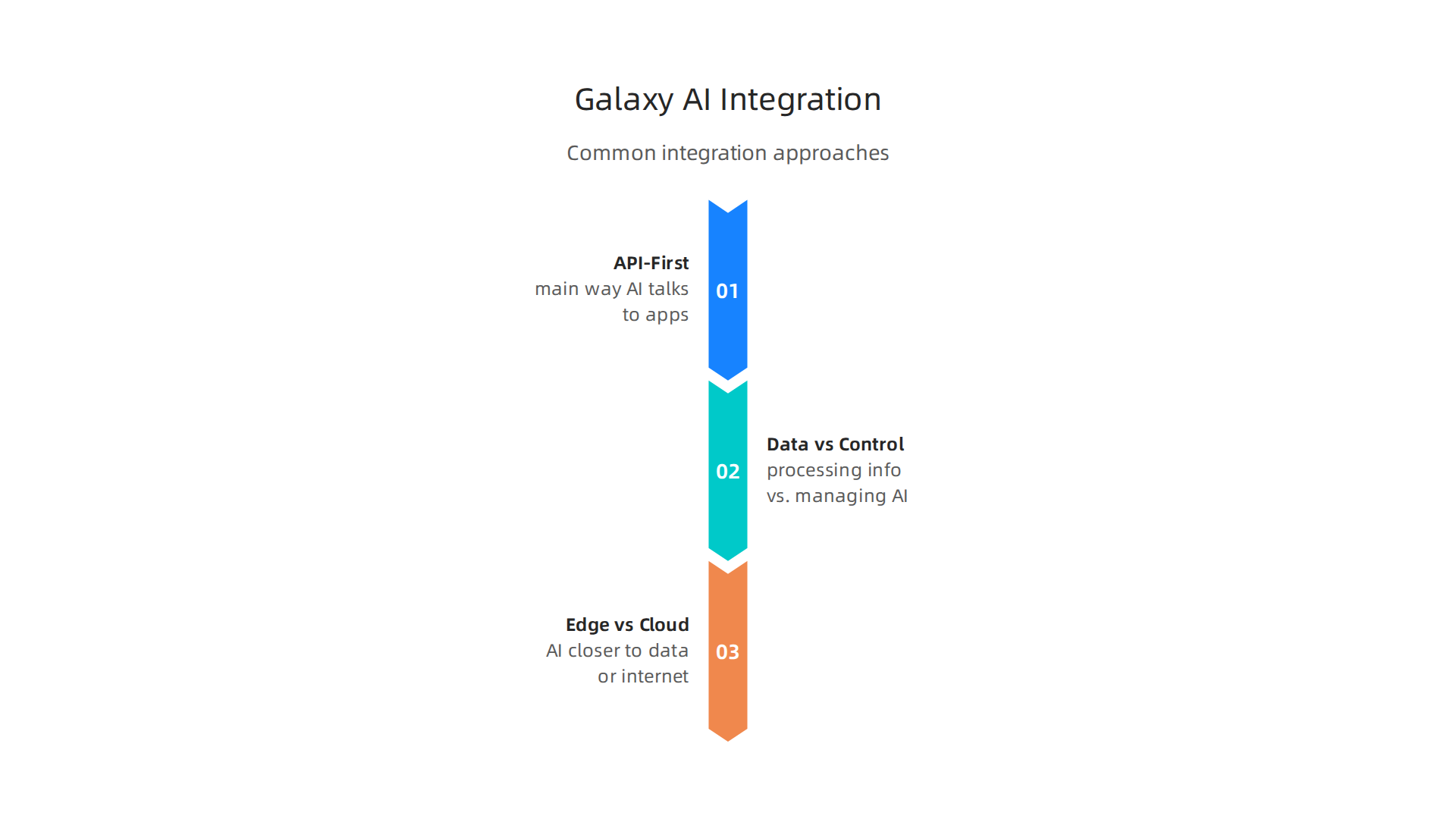
- API-First Integration: This is like building special doorways between your AI platform and other programs. Instead of trying to connect every single piece of software directly, you use Application Programming Interfaces (APIs). These APIs are the main way your AI talks to other apps, databases, and services. It’s a very common and flexible method for connecting different systems, as highlighted in guides on Enterprise Integration Patterns for Streaming and AI Architectures [2026]. This helps make sure all your
applications of aican easily share information. - Data Plane versus Control Plane: Imagine your AI has two main parts. The "data plane" is where the AI actually processes all your information. The "control plane" is where you manage and oversee the AI itself, like setting rules or changing its settings. Keeping these two parts separate helps keep your data safe and allows the AI to work faster. This setup is important for running large-scale AI operations, like those often handled by
eci software solutions. - Edge versus Cloud Deployment: This decides where your AI lives and works.
- Cloud deployment means your AI runs on powerful servers over the internet, like a giant shared computer. This is flexible and good for big, complex tasks.
- Edge deployment means the AI runs on devices closer to where the data is created, like on a smart camera in a factory or a device in a retail store. This is faster for urgent tasks and useful when internet connections aren’t always strong. It’s great for specific
applications of aithat need quick decisions. You can learn more about making AI work well in an organization by reviewing an Enterprise AI Architecture Implementation Roadmap.
Managing Change and Operations for AI
Bringing a comprehensive galaxy ai platform into your business is a big step, much bigger than adding a simple new app. It changes how people work and how data flows. This requires careful planning for "change management" and "operations."
- Change Management: This means helping your team get used to new ways of working with AI. It involves training, clear communication, and showing how AI can make their jobs easier. It’s about making sure everyone understands the benefits and feels comfortable with the new technology, rather than seeing it as
stealth aiworking behind the scenes without their input. - Operations (MLOps): This is about the daily care and feeding of your AI system. It includes monitoring how well the AI is performing, making sure it’s secure, updating it, and keeping it compliant with rules and laws. Without good MLOps strategies, scaling AI effectively can be a challenge for businesses in 2026, as discussed in MLOps Services: 2026 Strategies for Scaling AI. When you choose a broad AI platform, you’re not just buying a tool; you’re adopting a whole new way to run parts of your business. This means you need strong plans for
AI complianceand governance to navigate the rules for AI in 2026 and beyond. Guides like the AI Compliance Guide 2026: Global Regulations can help businesses understand these important requirements.
If you are a business leader looking to integrate advanced AI into your operations, it’s wise to consider a comprehensive guide on enterprise AI adoption in 2026 a data backed roadmap for business leaders.
Want to stay on top of the latest in enterprise AI? The AI Newsletter Worth Reading delivers clear daily AI updates.
We just talked about managing AI systems day-to-day. But another very important part of bringing a full galaxy ai platform into your business is making sure it’s safe, keeps secrets, and follows all the rules.

When you pick an AI vendor, you are trusting them with a lot of your company’s important information.
Keeping AI Secure and Private
You need to ask how the vendor plans to protect your data. This means looking at a few key things:
- Where Data Lives: Where will your information be stored? Is it in your country or somewhere else? This is called data residency. It’s important because different countries have different privacy laws.
- Safe AI Models: You want to know that the AI acts in a fair way. It should not create biased or wrong answers. This helps make sure the
real magic aiis also safe and responsible AI. - Who Can See What: Only certain people should be able to look at or use your AI data. Good access controls mean only authorized staff can get to sensitive information. This prevents any
stealth aiactivity or misuse. - Checking Decisions: If the AI makes a choice, can you look back and see how it got to that answer? This is called auditability. It’s helpful if you ever need to explain why the AI did something.
Following Rules and Laws
The rules about AI are changing quickly in 2026. Different places have different laws. For example, there’s the EU AI Act, and many US states are making their own rules. You also need to think about your specific industry. If you are in healthcare or finance, there are very strict rules you must follow.
Your business needs a clear plan to make sure your AI always meets these rules. This is like having an Artifcial Intelligence Compliance Plan. It helps you stay on track and avoid problems. Organizations are working to create new rules and ways to measure AI safety. For instance, the NIST AI Consortium: New TEVV Standards for Enterprise Compliance is developing new standards for companies to follow.
When you’re choosing a vendor for your applications of ai, it’s smart to look at how other successful companies pick theirs. You can find useful advice on how to Select Top AI Companies in 2026 to ensure you pick a partner that fits your security and compliance needs.
After making sure your galaxy ai platform is safe and follows all the rules, the next big step is figuring out the money side of things. This means looking at how much it will cost, how you pay for it, and the full long-term expense.
Cost, licensing, and TCO: modeling the economics of galaxy-class AI platforms
Understanding the costs of applications of ai can be tricky because there are many parts to it. You want to make sure the benefits are worth the money you spend.
Main Drivers of AI Costs
When you bring a galaxy ai system into your business, you’ll see costs tied to a few key areas:
- Computer Power (Compute): This is the biggest part. AI needs a lot of computer power to work.
- Training: This is when you teach the AI new things, like showing it millions of pictures to learn what a cat is. This uses a lot of power for a while.
- Inference: This is when the AI actually does its job, like telling you if a new picture has a cat in it. This usually costs less per task but happens all the time.
- A study in 2026 found that looking at the full cost of AI cloud setups over three years can help you find good deals A 3-Year TCO Analysis of AI Cloud Deployments.
- Data Movement (Ingress/Egress): This is about moving your information into and out of the AI system. Some companies charge you for this.
- "Ingress" means bringing data in, and "Egress" means taking data out. Think of it like a toll for data going on a highway.
- Making it Your Own (Customization): If you need the AI to do very specific things for your business, it might cost extra to tailor it. This is like buying a custom-made suit instead of one off the rack.
- Getting Help (Support): Most companies offer support if you run into problems or have questions. This can be part of the main cost or an extra fee. A proper total cost overview should include things like infrastructure, power, cooling, and support AI Inference: Enterprise Infrastructure and Strategic Imperatives.
How You Pay: Licensing Models
AI vendors offer different ways to pay for their services. These are called licensing models:
- Subscription: You pay a regular fee, like every month or year, to use the
real magic aiplatform. This is common for many software tools today. - Pay-as-You-Go: You only pay for what you use, like how many times the AI makes a prediction or how much data it processes. This can be good for smaller tasks or when you’re just starting.
- Tiered Plans: These plans offer different levels of service at different prices. More expensive tiers might offer more features, faster speeds, or better support.
Understanding Total Cost of Ownership (TCO)
Total Cost of Ownership, or TCO, is a fancy way of saying "all the money you will spend on this AI system over its whole life." It’s not just the price tag; it includes everything from setup fees to ongoing maintenance, training your staff, and even the electricity it uses. You want to avoid hidden costs that might make an AI solution seem like a stealth ai expense.
When you’re thinking about a galaxy ai platform, it’s smart to compare its TCO to other options. Should you build your own AI system from scratch? Or should you use a smaller, more focused vendor? Building in-house means hiring expert staff, which can be a big cost to think about for your IT talent in 2026. Sometimes, using a wide-ranging platform helps you avoid sudden price changes from smaller companies that might be struggling The Agentic Frontier: Why Converged Data Engines.
Finding a good balance between cost and what the galaxy ai platform can do is key. It’s about finding a solution that brings great value without breaking the bank.
To stay on top of the fast-changing world of AI and technology, consider signing up for a specialized newsletter. Get clear daily AI updates from The AI Newsletter Worth Reading.
After figuring out the total costs and payment plans for your galaxy ai platform, the next big step is choosing the right company to work with. Picking the best vendor is super important. You need to make sure their solution fits your business perfectly, like a key in a lock.
Vendor Selection Checklist: Evaluating Galaxy AI Vendors for Enterprise Fit
When you’re looking for a galaxy ai vendor, it’s easy to get lost in all the choices. To make it simpler, here’s a checklist of important things to think about. This will help you find a partner that truly understands your needs and can deliver real magic AI for your business. Many companies use a scoring matrix to help compare choices, as explained in an Enterprise AI Platform Buyer’s Guide (2026).
- Technical Fit: Does the
applications of aiplatform work well with the computer systems you already have? It should fit smoothly, not cause problems. Think about how the AI will connect to your current tools. For enterprise AI, a strong Enterprise AI Architecture Implementation Roadmap is key. - Service Level Agreements (SLAs): These are like promises from the vendor. They tell you how well the system will work, how fast it will be, and how much uptime it will have. Make sure these promises meet your business needs.
- Integration: How easy is it to connect this new
galaxy aisystem with your other important business programs? You want all your software to talk to each other without a lot of extra work. Tools for AI Integration & MLOps Services can be very helpful here. - Security: This is super important. How will the vendor keep your data safe from bad actors? Ask about their security rules and how they protect your private information. Checking out different types of AI governance platforms can give you a clearer picture.
- Support: What kind of help can you get if something goes wrong or you have questions? Good support means you won’t be stuck if you run into an issue.
- Roadmap: What are the vendor’s plans for the future of their
galaxy aiplatform? You want a partner that is always improving and adding new features, not one that will leave you behind. - Financial Stability: Is the vendor a strong, reliable company? You don’t want to invest in a platform only for the company to go out of business. This helps avoid any
stealth aiissues down the road.
Running Vendor Pilots and Evaluating Results
After you narrow down your choices, the best way to really test a galaxy ai vendor is to run a pilot project. This means trying out their system on a small scale in your business.
Here’s how to do it:
- Set Clear Goals: Before you start, decide exactly what you want the pilot to achieve. What problems do you want the AI to solve? What results are you looking for?
- Test Key Features: Don’t try to test everything at once. Focus on the most important features for your daily work.
- Collect Feedback: Have your team members who use the system share their thoughts. Was it easy to use? Did it save them time? Did it help them do their jobs better? Comparing vendor proposals with the help of AI can make this process faster and more efficient in 2026, as discussed in How to Compare Vendor Proposals with AI: 2026 Playbook.
- Measure Results: Look at the numbers. Did the AI improve efficiency? Did it cut costs? Did it make customers happier? A 2026 B2B AI vendor comparison matrix can help you keep track of these measures.
By carefully evaluating each vendor through a checklist and pilot programs, you can pick a galaxy ai solution that brings real value and helps your business grow.
To stay on top of the fast-changing world of AI and technology, consider signing up for a specialized newsletter. Get clear daily AI updates from The AI Newsletter Worth Reading.
Summary
This article explains why enterprise leaders must get vendor AI strategy right in 2026 and how to evaluate the rising class of