
Enterprise Technology Domains Every Leader Must Understand in 2026

Introduction: Navigating the Next Wave of Enterprise Technology
Every day, a new technology name pops up on your screen. A new AI model releases. A different cloud term gets tossed around. Another startup promises to change everything. Before you finish reading about one thing, three more trends demand your attention.
That constant flood of information creates a real problem. It leaves you stuck. You know you should act, but you are not sure which technology actually matters for your business. This confusion leads to strategic paralysis. You end up waiting, watching, and hoping the right answer becomes obvious.

But waiting is expensive. Global IT spending is set to exceed $6 trillion in 2026 according to a revised forecast from Gartner. Organizations are pouring money into security, AI, and cloud infrastructure. The leaders who understand the basics will make better choices with that money.
This article gives you something simple: a clear overview of six critical technology domains that every enterprise leader needs to grasp in 2026. We will cover foundation concepts like the data center definition, the real difference when comparing edge computing vs cloud computing, and even a quick look back at when was ai invented so you see where we came from and where we are heading.
Each domain gets its own focused section. You will learn practical takeaways without drowning in jargon. By the end, you will have a mental map of the technology landscape that matters most for your enterprise right now.
Technology changes fast, but your understanding does not have to fall behind. Let us walk through these domains one at a time, starting with the physical backbone of everything: the data center.
If you want to stay ahead of these shifts every single day, The AI Newsletter Worth Reading delivers clear daily AI updates straight to your inbox.
Artificial Intelligence and Machine Learning: Beyond the Hype
AI is probably the most talked-about technology name in your inbox right now. Every week brings a new model release, a new agent framework, or a new claim that this time everything is different. And yes, some of that is real. But the hard part is separating the signal from the noise.
Here is a number worth remembering: In Q1 of 2026, only about 31% of enterprise AI projects were in full production according to the latest data on AI Agent Adoption 2026: 120+ Enterprise Data Points.
That means nearly seven out of ten projects are still stuck in pilot mode. The leaders who pull ahead are the ones who understand what AI actually does under the hood.
What Actually Powers AI Today
You do not need to become a data scientist. But knowing a few key concepts helps you ask better questions.
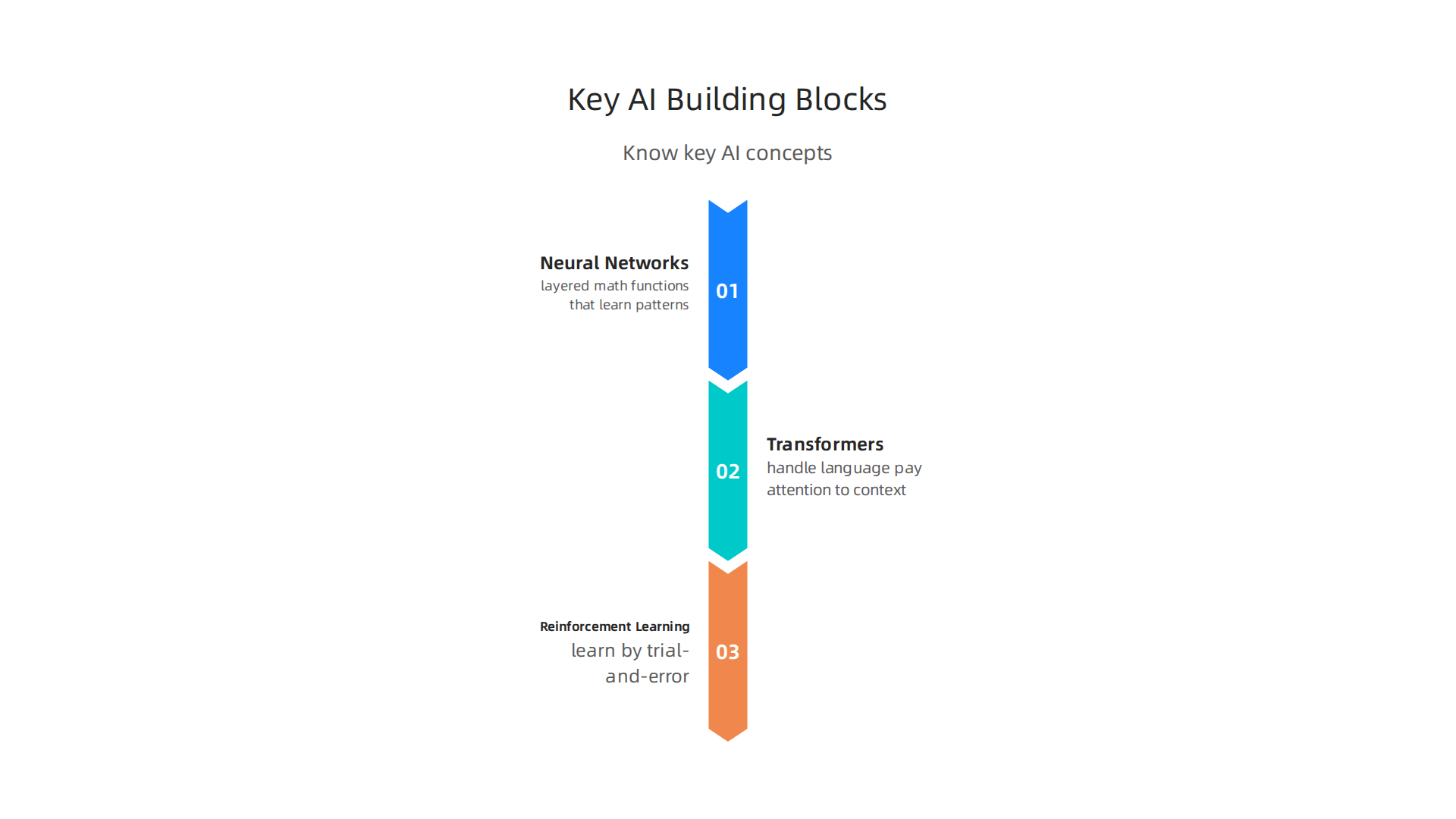
Neural networks are basically layered math functions that learn patterns from data. Think of them as the engine that drives everything from image recognition to language understanding.
Transformers are a specific type of neural network that changed how machines handle language. They were introduced in a 2017 paper and now power tools like ChatGPT, Claude, and enterprise search systems. The core idea is simple: the model pays attention to context across an entire sentence, not just word by word.
Reinforcement learning is how AI systems learn by trial and error, getting rewards for good outcomes. This is the technique behind self-driving simulations and recommendation engines that get better the more they interact with users.
These three building blocks are why AI has moved from theory to daily business use.
Where AI Delivers Real Enterprise Value
The hype tends to focus on flashy demos. The reality is quieter and more practical. Three use cases consistently show strong returns in 2026:
- Automation for repetitive tasks like invoice processing, report generation, and customer ticket routing
- Predictive analytics that help forecast demand, detect equipment failures before they happen, and flag customer churn early
- Natural language processing that powers intelligent search, contract analysis, and conversational support systems
The trick is matching the right tool to the right problem. If you want to dive deeper into how enterprises are actually making AI work today, check out this detailed breakdown on enterprise AI adoption in 2026. It walks through real data on what separates companies that scale from those that stall.
AI is not magic. It is a powerful tool that works best when you understand its limits. The next domain we will look at is edge computing and cloud computing, and how the two work together rather than against each other.
Before we turn to edge and cloud computing, there is another frontier worth understanding: quantum computing. This technology name is moving fast, even if its enterprise impact is still a few years away.
Quantum computers work differently than the machines you use today. Instead of bits that are either 0 or 1, quantum computers use qubits that can exist in multiple states at once through a property called superposition. This lets them explore lots of possible solutions at the same time.
That may sound abstract, but it means quantum computers can solve certain problems that would take classical computers millions of years to crack. We are talking about things like breaking current encryption, simulating complex molecules for drug discovery, and optimizing massive supply chains in minutes instead of months.
Where We Stand Right Now in 2026
Here is the honest truth: you cannot buy a quantum computer to run your business today. Not yet. But the timeline is getting clearer.
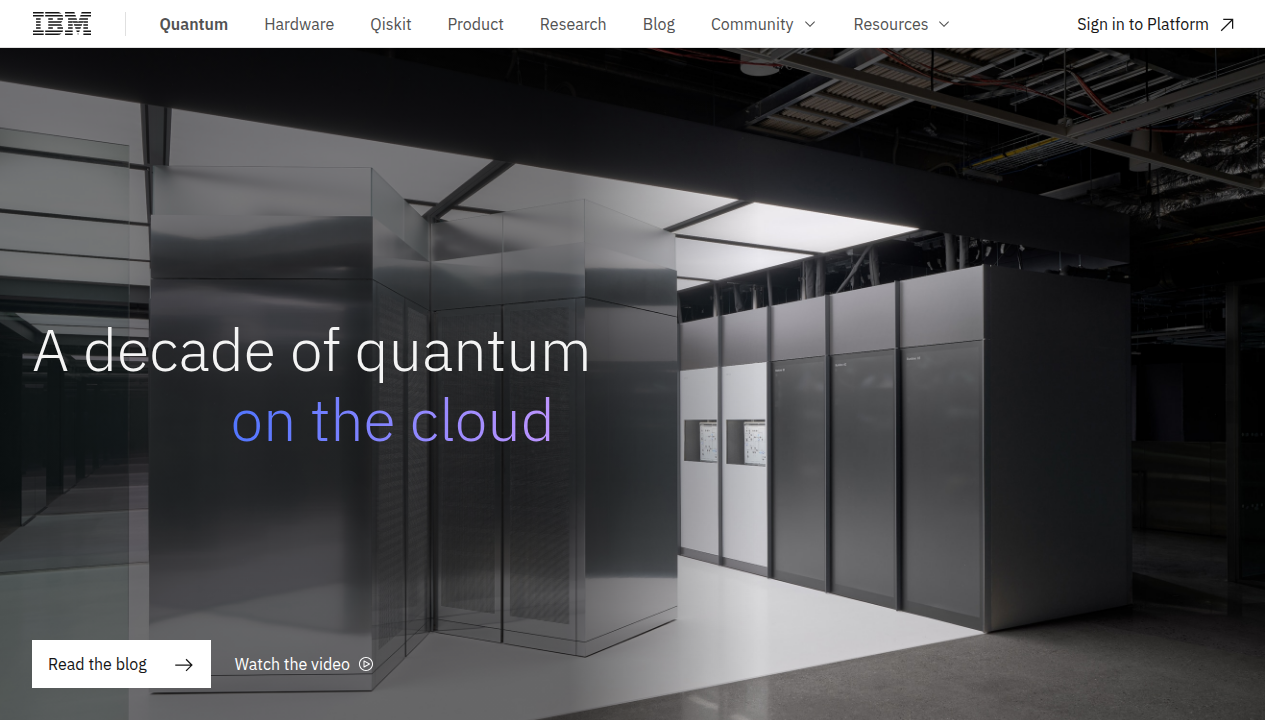
IBM has predicted that the quantum community will confirm the first real-world quantum advantage in 2026, starting with chemistry problems. They are on track to deliver a large-scale fault-tolerant quantum computer by 2029, according to their IBM Quantum 2026 roadmap.
Quantum advantage simply means a quantum computer solves a commercial problem better or faster than a classical computer. That milestone is happening this year.
Early Use Cases Emerging Now
Even before full fault tolerance, early quantum systems are being tested for three areas:
- Optimization for logistics, scheduling, and financial portfolio balancing
- Cryptography both breaking current encryption and building new quantum-safe methods
- Drug discovery by simulating molecular structures in ways classical computers cannot
Organizations that start learning about quantum computing now will be ready when the hardware matures.

A comprehensive enterprise post-quantum migration imperative from the Cloud Security Alliance estimates that the Q-Day the day when quantum computers break current encryption could come within the next five years.
What Leaders Need to Understand
You do not need to understand every detail of quantum gates and error correction. But knowing the basics helps you ask the right questions.
Quantum gates are the building blocks that manipulate qubits, much like logic gates in classical computers. Error correction is critical because qubits are fragile and lose information easily. Fault-tolerant quantum computers will have enough error correction to run reliable calculations at scale.
For now, the smartest move is to start learning. Read the enterprise AI strategy roadmap for 2026 to see how other emerging technologies fit together with quantum. And begin assessing your risk if you handle sensitive data that needs long-term security.
Quantum computing is not science fiction anymore. It is still a few years from enterprise scale, but the foundation is being laid now. Next, let us shift to edge computing and cloud computing, two technology names that are already reshaping how organizations process data every day.
Edge computing is one of those technology names you hear everywhere, but what does it actually mean? Let us break it down simply.
Think about a smart camera in a factory that needs to spot a defective product on a fast moving belt. If the camera sends every frame to a cloud server miles away, waits for a decision, and then gets a response, that delay could be a fraction of a second too long. The product passes by before the system can react.
Edge computing solves this by processing data right where it is collected. Instead of sending everything to a central cloud, you run analysis on a small computer attached to the camera itself. That computer is called an edge device. It makes decisions instantly and only sends important summaries to the cloud.
This is especially important for the Internet of Things. IoT devices include sensors, smart watches, factory equipment, and even autonomous vehicles. These devices generate huge amounts of data. Sending all that data to the cloud would cost too much and take too long. Edge computing keeps things local and fast.
How Edge Computing Works in Practice
The core idea is data locality. You put computing power close to where data is created. This cuts down on latency, which is the time it takes for data to travel. It also saves bandwidth because you are not moving raw data across the network.
Enterprises are using edge computing in three main areas right now:
- Manufacturing to catch defects in real time and predict when machines need maintenance
- Retail to track inventory, manage checkout systems, and personalize customer experiences in stores
- Autonomous systems like self driving vehicles and drones that need to react in milliseconds
If you want to understand how this fits into a bigger picture, reading about how to evaluate insights for smarter cloud decisions can help connect the dots.
Edge vs Cloud, Not Edge or Cloud
It is easy to fall into the trap of thinking you have to pick one. But the real world does not work that way. Edge and cloud work together. Edge handles time sensitive tasks. Cloud handles storage, long term analysis, and big model training.
Here is a simple comparison:
| Edge Computing | Cloud Computing |
|---|---|
| Processes data locally | Processes data in remote data centers |
| Very low latency | Can have noticeable delay |
| Limited compute power | Massive compute power |
| Good for real time decisions | Good for complex analysis and storage |
| Saves bandwidth | Requires high bandwidth |
This is the edge computing vs cloud computing debate simplified. They solve different problems. Most enterprises use both.
Global IT spending is accelerating fast in 2026, with organizations pouring money into security, AI, and cloud infrastructure. That spending is not just going to central data centers. A growing slice is going to edge devices that make real time decisions possible.
Next, let us look at what happens inside those data centers and why the term data center definition matters more than ever.
Blockchain and Decentralized Systems
Now let us talk about another important technology name that works differently from edge and cloud: blockchain. You have probably heard it tied to cryptocurrencies. But for businesses, blockchain is much more than that.
Think of blockchain as a shared digital record book. Multiple computers, called nodes, each keep a copy of the same ledger. When someone wants to add new information, the nodes have to agree that it is valid first. That agreement is called consensus. Once the data is added, it cannot be changed or deleted without the whole network knowing. This makes the ledger tamper proof.
How Consensus Works
Two common ways to reach consensus are proof of work and proof of stake. With proof of work, nodes solve complex math puzzles to earn the right to add a block. That takes a lot of energy. Proof of stake is newer and more efficient. Nodes lock up some of their own tokens as a guarantee. If they act honestly, they earn rewards. If they cheat, they lose their stake.
Behind the scenes, blockchain relies on some clever math. Hashing turns any piece of data into a fixed length string of letters and numbers. Merkle trees organize transactions into a hash based structure so you can quickly check if anything changed. Byzantine fault tolerance is a fancy name for the system’s ability to keep working even if some nodes go bad or lie. These ideas are the foundation of every blockchain.
Where Enterprises Are Using It Today
Most business blockchain projects in 2026 are not about trading coins. According to recent research on leading enterprise blockchain use cases, supply chain traceability is the most common application. Companies track products from raw materials to store shelves, proving authenticity and reducing fraud.
Identity management is another big area. Instead of storing personal data in a central database that hackers can target, blockchain lets people control their own digital identity and share just what is needed. Smart contracts are also taking off. These are self executing agreements written in code. They release payment or transfer ownership automatically when conditions are met, without a middleman.
Enterprise adoption is still growing. Reports on enterprise blockchain adoption in 2026 show that about 25% of large companies will have blockchain in production by the end of 2026. That is up from just 11% in 2024.
The Key Concepts to Know
If you want to go deeper, understanding hashing, merkle trees, and Byzantine fault tolerance is essential. These are not just academic ideas. They explain why blockchain can work at enterprise scale. For example, merkle trees let one node verify a transaction without downloading the whole chain. That saves bandwidth and time.
Blockchain is another reminder that technology names matter less than what they actually do.

The real value comes from solving problems like trust, transparency, and automation. For more on how enterprise teams are evaluating new tech stacks in 2026, reading about enterprise technology analyst insights can help you stay ahead.
Cybersecurity in the Age of AI
Blockchain helps with trust and transparency, but there is another side of technology that every enterprise leader must understand: cybersecurity in the age of AI. This is where the technology names you hear every day — zero trust, adversarial attacks, AI agents — actually collide with real risk.
AI is a double edged sword. On one side, it powers smarter defenses. Security tools now use machine learning to spot unusual network traffic faster than a human analyst ever could. They can flag a ransomware infection before it spreads. On the other side, attackers are using the same AI to craft more convincing phishing emails, automate vulnerability scans, and even generate deepfake audio of your CEO asking for a wire transfer.
Here is the thing: the basics still matter. The principles of defense-in-depth, zero trust, and least privilege are not old school. They are the foundation that AI security tools sit on.
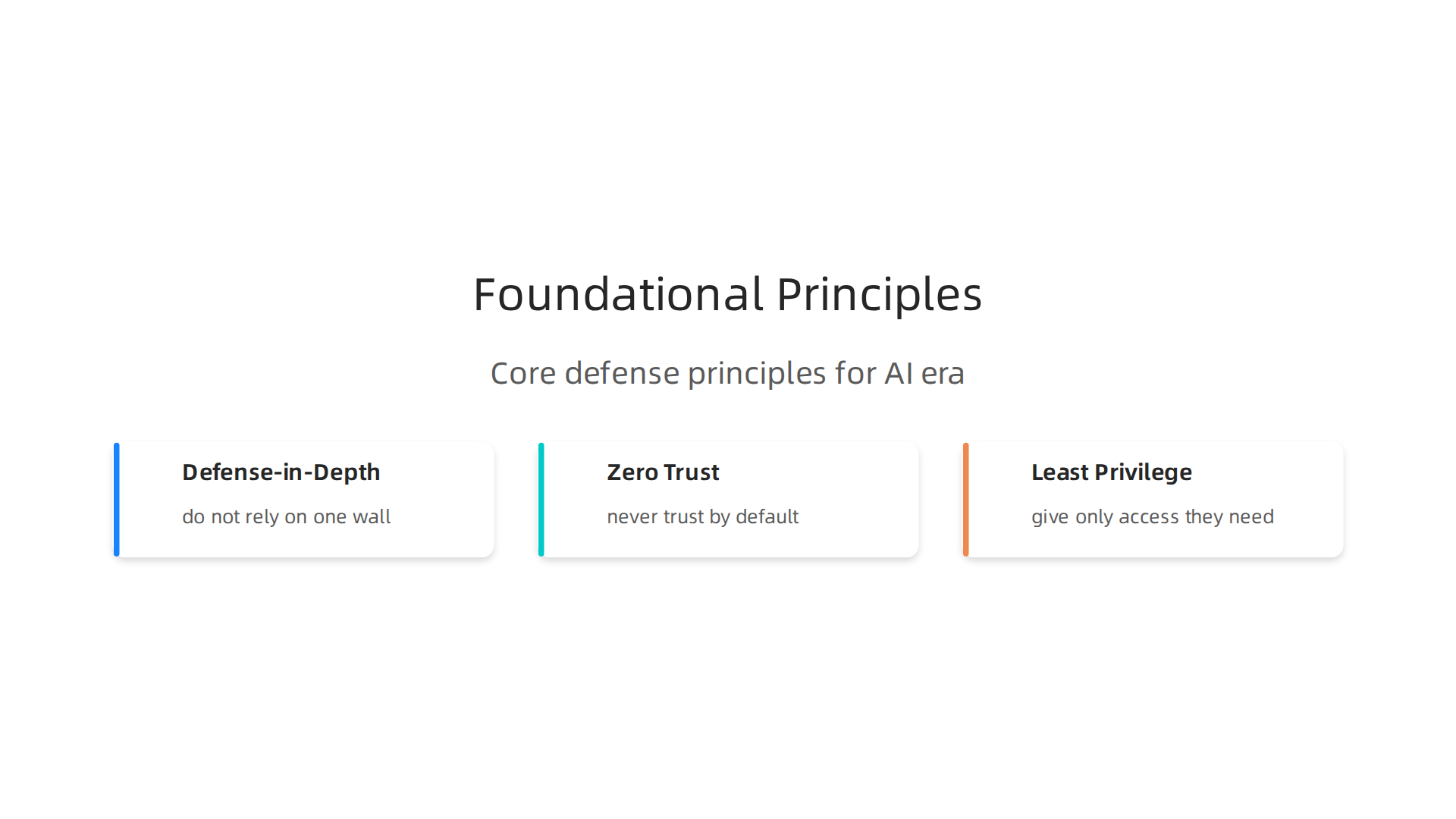
Defense-in-depth means you do not rely on one wall. You have layers — firewalls, endpoint protection, encryption, monitoring. Zero trust means you never trust a user or device by default, even if they are inside the network. Least privilege means you give people and systems only the access they absolutely need. These ideas have been around for decades, and they remain your best bet against both old school hackers and AI powered ones.
What is new are the AI specific risks. Adversarial attacks trick machine learning models into making wrong decisions. Someone could alter a few pixels in an image to fool a facial recognition system. Model poisoning is another growing threat. Attackers sneak bad data into a model’s training set so it learns to behave incorrectly later. These are not theoretical. According to a recent survey covered in the article on enterprise AI adoption in 2026, sixty-seven percent of executives believe their company has already suffered a data leak or breach due to unapproved AI tools. That means employees are using AI apps outside of IT’s control, and that is a direct path to data exposure.
So what should you do? First, enforce governance on AI usage inside your organization. Second, audit your AI models regularly for signs of tampering. Third, go back to those foundational principles and make sure they are solid. For example, adopting a zero trust architecture can limit the damage if an AI system is compromised. The goal is to treat AI as both a tool and a potential risk. For a deeper look at how to keep AI safe with proper oversight and guardrails, read our guide on building enterprise AI trust with human oversight.
The landscape changes fast. Since AI was first invented back in the 1950s, we have moved from simple logic to models that generate human like text and code.

The stakes have never been higher. Staying informed is the best defense. That is why we recommend getting clear daily updates on AI security and strategy from The Deep View Newsletter. It cuts through the noise and gives you the one email you actually need to read.
Cloud-Native Technologies and DevOps
Now let’s shift from security to another area that demands your attention: cloud-native technologies and DevOps. These approaches have changed how enterprises build and ship software.
Cloud-native means designing applications as small, independent pieces. Think of it like a shipping container system for software. You pack each piece of your app into a container. That container runs the same way on your laptop, in a test server, or in production. No more "it works on my machine" surprises.
The main building blocks include containers, microservices, and serverless computing.
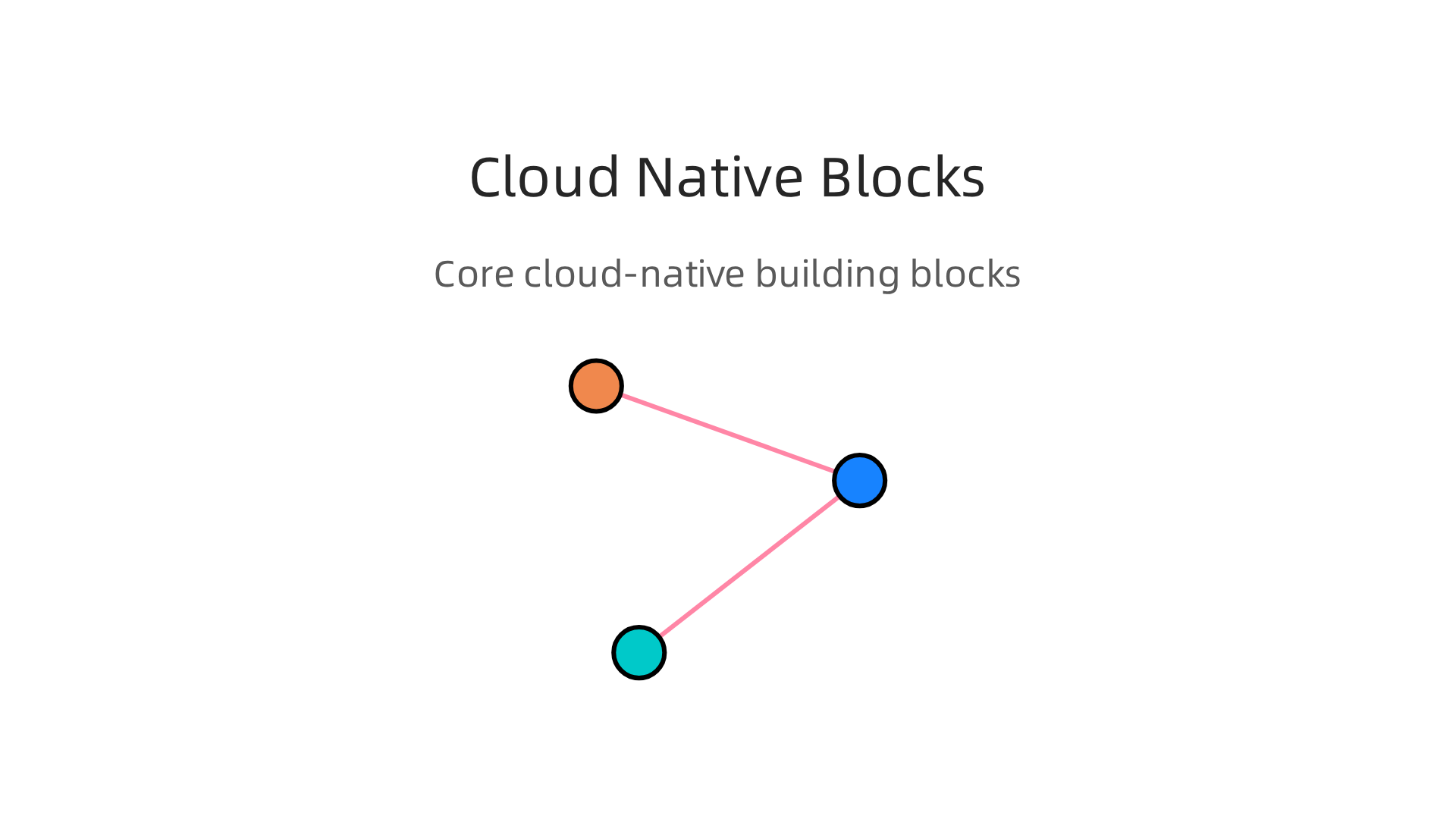
Containers hold your app and everything it needs to run. Microservices break your app into small services that each handle one job. Serverless lets you run code without managing servers at all. You just upload your function and pay when it runs.
But none of this works without DevOps. DevOps brings developers and operations teams together. The goal is to ship software faster with fewer errors. Key practices include CI/CD, which stands for continuous integration and continuous delivery. Every code change gets tested and deployed automatically. Infrastructure as code is another core idea. You define your servers, networks, and storage in configuration files. That means your infrastructure is version controlled, repeatable, and auditable.
Orchestration tools like Kubernetes manage all these containers at scale. They handle scheduling, scaling, and healing when something fails. For many enterprises, Kubernetes has become the standard way to run containerized applications.
So why do enterprises care so much about cloud-native? The big reason is agility. Legacy systems are slow to change. Monolithic applications take weeks to update. A cloud-native approach lets you update one microservice without touching the rest. Your teams can experiment, fail fast, and fix quickly. This aligns with what technology leaders are prioritizing for 2026. According to the report on CIO Priorities 2026 from Info-Tech Research Group, most CIOs now rank cloud modernization and platform engineering as top strategic initiatives.
Modernizing legacy systems is not simple. It takes time and investment. But the payoff is real. Companies that move to cloud-native architectures see faster time to market, lower costs, and better scalability. They handle traffic spikes without over-provisioning. They deploy new features without downtime.
The shift also changes how teams work. Developers gain more ownership over their code in production. Operations teams become enablers rather than gatekeepers. This is what platform engineering is all about building internal developer platforms that make it easy for teams to ship code safely. For more on building this foundation, read our guide on platform engineering in 2026.
The bottom line is that cloud-native and DevOps are not just trends. They are the new standard for how enterprise software gets built and operated. If your organization still relies on manual deployments and monolithic apps, you have a modernization journey ahead. Every step toward cloud-native makes your team faster and more resilient.
Summary
This article maps six critical enterprise technology domains every leader must know in 2026 and explains practical actions you can take today. It covers how AI and machine learning really work, which AI use cases deliver value, and why many projects still stall in pilot phases. You’ll get a plain-language primer on quantum computing — what it can do, where it stands in 2026, and which business problems it might solve first. The piece clarifies edge versus cloud computing and shows how the two complement each other for low-latency and large-scale workloads. It also describes blockchain’s enterprise uses like supply chain traceability and identity, and it outlines modern cybersecurity priorities in an AI-powered threat landscape. Finally, the article explains cloud-native and DevOps practices that speed delivery and modernize legacy systems, giving you a mental map to prioritize investments and next steps.