How to Choose Your Data Analytics Platform for Enterprise Success in 2026

Why enterprise leaders must pick the right data analytics platform now
Today, in 2026, business leaders face a big problem. There’s just too much information everywhere. It can feel like trying to drink from a firehose. At the same time, new technologies, especially in AI, are changing super fast. With so many companies offering different tools, picking the right ones for your business can feel very risky.

A data analytics platform is like a special control center. It brings together all the steps you need to handle data: getting the data, cleaning it up, looking closely at it, and then showing what it means. It puts all these parts into one easy system. But with so many choices, how do you pick the best one? This is where enterprise leaders can get stuck. Each vendor promises the moon, making the choice even harder.
Think about it: picking the wrong data analytics platforms can slow down your business and cost a lot of money. You might miss out on important insights that could help you make better decisions. The world of data is changing quickly, especially with advanced tools like AI-Native Data Platform — 2026 Buyer’s Guide becoming the standard. These new platforms can even help with things like prescriptive analytics, which means they don’t just tell you what happened, but also what you should do next. You need a platform that can act as an AI problem solver for your unique business needs.
This article is here to help you. We will give you a clear, step-by-step guide to look at different data analytics platforms. Our goal is to help you pick a platform that truly matches what your business needs to do. This way, you can make smart choices and use your data to grow.
To keep up with all the fast changes in AI and technology, many leaders find it helpful to get quick, clear updates.
The world of data and AI moves fast. If you want to make sure your choices about data analytics platforms are smart and future-proof, you need good information. We’ll show you how to look at different options by checking things like how well they work with your other systems, how ready they are for AI, and if they can truly help your business grow. Getting this right is key to mastering enterprise analytics platform selection for 2026 ROI.
Overview: What ‘data analytics platforms’ mean for modern BI
So, what exactly is a data analytics platform? Think of it as a central hub where all your business data comes together and gets put to good use. Unlike older tools that just showed you basic reports, these platforms are like smart brains for your business. They help you with every step of working with data, all in one place.
In 2026, a modern data analytics platform is much more than just a place to store numbers. It’s an all-in-one system that brings together storing data, getting it ready, looking closely at it, and showing you what it all means. This makes it easier for everyone in your company to use data well. This is different from "legacy BI tools" or single-purpose programs that only do one small job, like just making charts. A true platform works as an integrated system that connects to sources, prepares data, runs analysis, and shares results.
Here’s how these powerful platforms help you through the whole data journey:
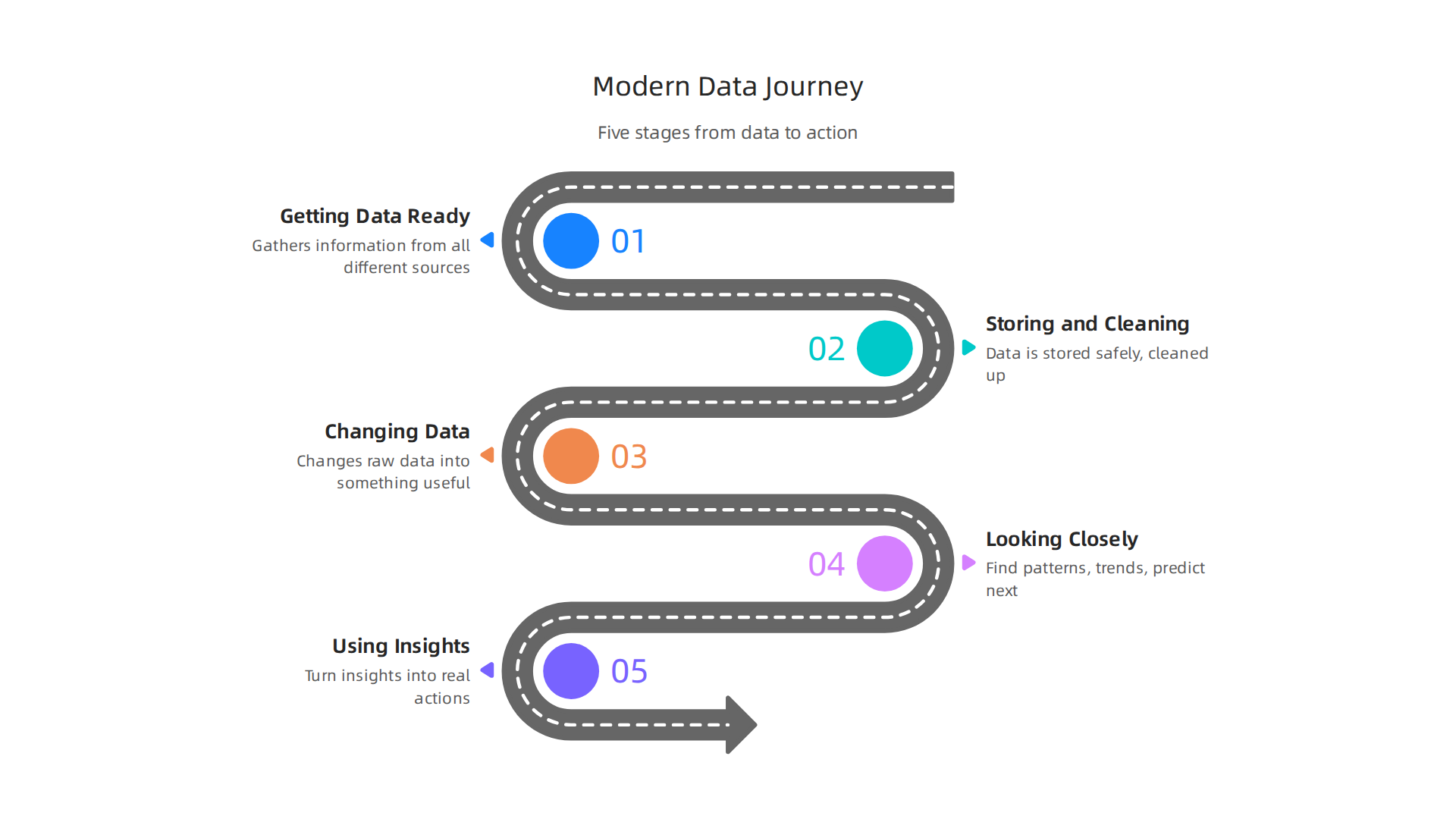
- Getting Data Ready: First, the platform gathers information from all your different sources. This could be sales numbers, customer feedback, or website visits. It’s like collecting all the pieces of a puzzle.
- Storing and Cleaning: Once collected, the data is stored safely. But data can be messy! The platform helps clean it up, making sure all the information is correct and in the right format. You might even use a Data Warehouse vs Data Lake Enterprise Decision Guide for 2026 to understand how data is stored.
- Changing Data: Next, the platform changes the raw data into something more useful. It might combine different pieces of information or turn numbers into percentages, so they are easier to understand and use.
- Looking Closely: This is where the magic happens. The platform uses smart tools to find patterns and trends in your data. It can show you what happened, why it happened, and even predict what might happen next. This includes things like prescriptive analytics, which helps you decide what actions to take.
- Using What You Learn: Finally, the platform helps you use these insights to make better business choices. This means turning data into real actions, like deciding to launch a new product or change a marketing plan. Many platforms even act as an AI problem solver to guide these decisions.
By doing all these things, data analytics platforms let business leaders see the full picture. They help you move beyond just knowing what happened to truly understanding why and what to do next.

This is key for businesses wanting to grow and stay ahead in 2026.
If you want to stay ahead of the curve and get clear daily updates on AI and technology, consider subscribing.
The AI Newsletter Worth Reading
Key Capabilities to Evaluate (Technical and Business Lenses)
Now that we know what data analytics platforms do, how do you pick the right one for your business in 2026? It’s like buying a new car: you look at what’s under the hood (the technical stuff) and how well it helps you get where you need to go (the business stuff). Choosing the best platform means looking at both sides carefully.
First, let’s look at the technical abilities a strong data analytics platform should have:
- Connecting to Data: A good platform needs to connect to all your different data sources. Think of it like a universal adapter for all your business information. This means it can pull in sales data, customer notes, website visitor numbers, and more, all in one place.
- Real-Time Processing: For fast-moving businesses, getting insights right away is super important. The platform should be able to look at data as it comes in, not just after a long delay. This is called Real Time Analytics Platform, which helps you make quick decisions.
- Growing with Your Needs (Scalability): As your business grows, your data will too. The platform must be able to handle more and more data and users without slowing down. This idea of scaling across many sources is a top priority for leaders in 2026, according to a report on Data, AI & Analytics Trends Across Organizations in 2026.
- Smart Model Support: Modern platforms use advanced models, often with AI, to find deeper insights and offer prescriptive analytics. You want a platform that can handle these smart tools easily. Buyers in 2026 should check if the workflow was made for AI from the start, not just added later, as noted in the AI-Native Data Platform Buyer’s Guide.
- Keeping Data Safe and Proper (Governance): It’s crucial to make sure data is correct, secure, and used in the right way. Good governance tools help control who can see and use data, making sure everything follows company rules and privacy laws.
Next, consider the business abilities that make a data analytics platform truly useful:
- Easy for Everyone to Use (Self-Service Analytics): The best platforms allow people who aren’t data experts to ask questions and get answers from data on their own. This means less waiting for specialized teams and faster insights for everyone.
- Built-in Business Intelligence (Embedded BI): Imagine getting data insights right within the apps you use every day, like your sales or customer service tools. This embedded analytics market is growing fast, with many businesses expecting it to reach a large market size by 2034, as shown in Embedded Analytics Market Trends.
- Turning Insights into Action (Operationalization): It’s not enough to just see trends. A great platform helps you use what you learn to make real changes in your business. This might mean automatically updating marketing campaigns based on new sales data or adjusting stock levels.
- Working Across Teams (Cross-Functional Workflows): Different departments need to share and use data together. A good platform helps all your teams work from the same data, leading to better team decisions.
When choosing a platform, you want to make sure it helps you meet your business goals. For a deeper dive into making the right choice, you might want to read about Mastering Enterprise Analytics Platform Selection For 2026 ROI.
Now that you know what to look for in data analytics platforms, let’s explore the different types available. Just like cars come in various models for different needs, so do these platforms. Each type of data analytics platform has its own strengths and is best for certain business goals.

The global data analytics market is growing fast, estimated to reach around $108.79 billion in 2026, showing how important these tools are becoming Data Analytics Market Size, Share Analysis & Forecast ….
Here are the main types of data analytics platforms you’ll see in 2026:
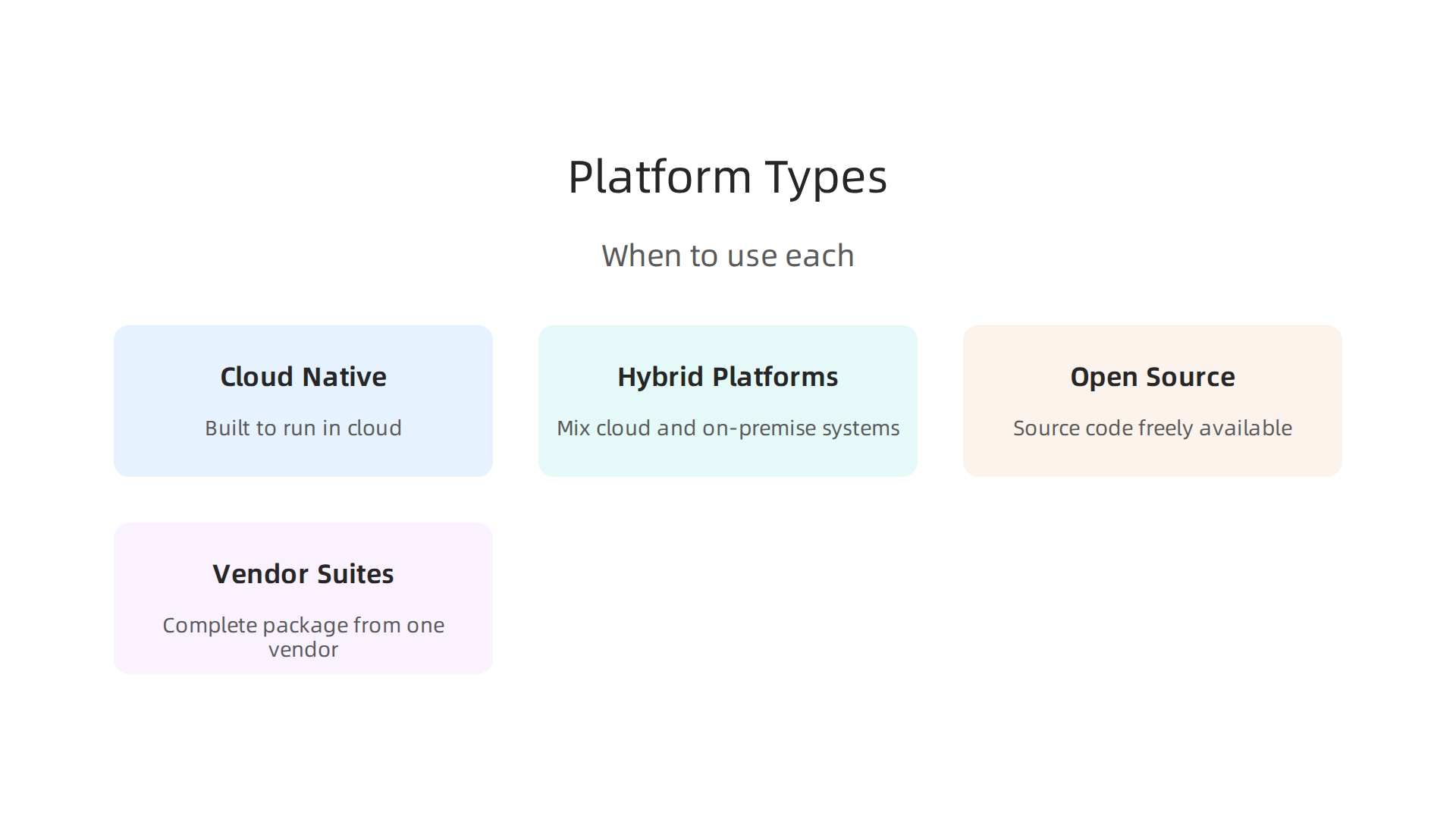
Cloud-Native Platforms
These platforms are built from the ground up to run in the cloud. Think of services like Amazon Web Services (AWS), Google Cloud, or Microsoft Azure.
- Pros: They are very flexible and can grow or shrink easily as your needs change (scalability). They offer quick setup and often come with managed services, meaning the cloud provider handles much of the maintenance. This can lead to faster insights for your teams. Many offer advanced features like AI-powered tools. Understanding the Cloud Analytics Platform Total Cost of Ownership is key here. Many leaders in 2026 are looking closely at their Cloud Provider Ecosystem Enterprise Strategy for 2026 to get the most out of these platforms.
- Cons: You might face "vendor lock-in," which means it can be hard to switch to another provider later. Costs can also add up based on how much you use them. A usage-based pricing model is now standard in 2026, with 64% of vendors shifting from per-seat to consumption models, according to one report Data Analytics Tools Comparison 2026 | Key Stats & Trends.
- Best for: Businesses that want speed, flexibility, and don’t want to manage their own hardware. They are great for quick growth and accessing the latest tech.
Hybrid Platforms
Hybrid platforms mix cloud services with your own on-premise (in-house) systems.
- Pros: They offer a good balance of control and flexibility. You can keep sensitive data on your own servers while using the cloud for heavier tasks or newer features. This helps with customization and cost control by choosing where different parts of your data analytics work run.
- Cons: They can be more complex to set up and manage because you’re dealing with two different environments.
- Best for: Companies with specific security or legal needs for some data, but still want to use cloud power for other data.
Open-Source Platforms
These are data analytics platforms where the software code is freely available for anyone to use and change. Examples include tools like Apache Spark or R.
- Pros: They offer a lot of flexibility and customization. You can change the software to fit your exact needs, and there are often no direct licensing costs for the software itself. This can lead to better cost control for software, though labor costs can be higher. Actually, labor can make up about 70% of the total cost for business intelligence solutions, compared to 20% for software, as shown in one analysis Lowering the Cost of Business Intelligence With Open Source.
- Cons: While the software is free, you’ll need skilled people to set it up, manage it, and offer support. This can be a challenge if you don’t have a strong in-house technical team. Enterprise support is usually not included.
- Best for: Companies with strong technical teams who need high levels of customization and want to avoid vendor lock-in.
Vendor Suites (Integrated Suites)
These are complete packages offered by a single company, like Tableau data analytics tools or other big providers.
- Pros: Everything works together smoothly, from data gathering to reporting and sometimes even prescriptive analytics. You get a single point of contact for support and updates, which can simplify things. These often come with strong enterprise support.
- Cons: They can be more expensive upfront and might not offer as much flexibility as open-source options. You are also more tied to that vendor’s specific way of doing things.
- Best for: Organizations that want an all-in-one solution, ease of use, and dependable support, especially if they value a streamlined approach to all their data analytics needs.
Choosing the right type depends on your business’s size, budget, technical skills, and how much control you want over your data and systems. Each choice has trade-offs, so think carefully about what matters most for your goals in 2026.
Want to stay updated on the latest trends and insights in AI and enterprise technology, including data analytics platforms? The AI Newsletter Worth Reading delivers clear daily updates to your inbox.
Choosing the right type of data analytics platform is just the first step. The next important part is figuring out how to pick the best one for your business from all the options out there. This means having a clear way to compare them. You need a practical plan to evaluate different choices, looking at real numbers and what they can actually do for you.
A Practical Evaluation Framework: Metrics, Scorecards, and RFP Essentials
To make a smart choice in 2026, you’ll need a framework to measure and compare each data analytics platform. This framework should include clear rules and steps to follow.
Measurable Criteria for Data Analytics Platforms
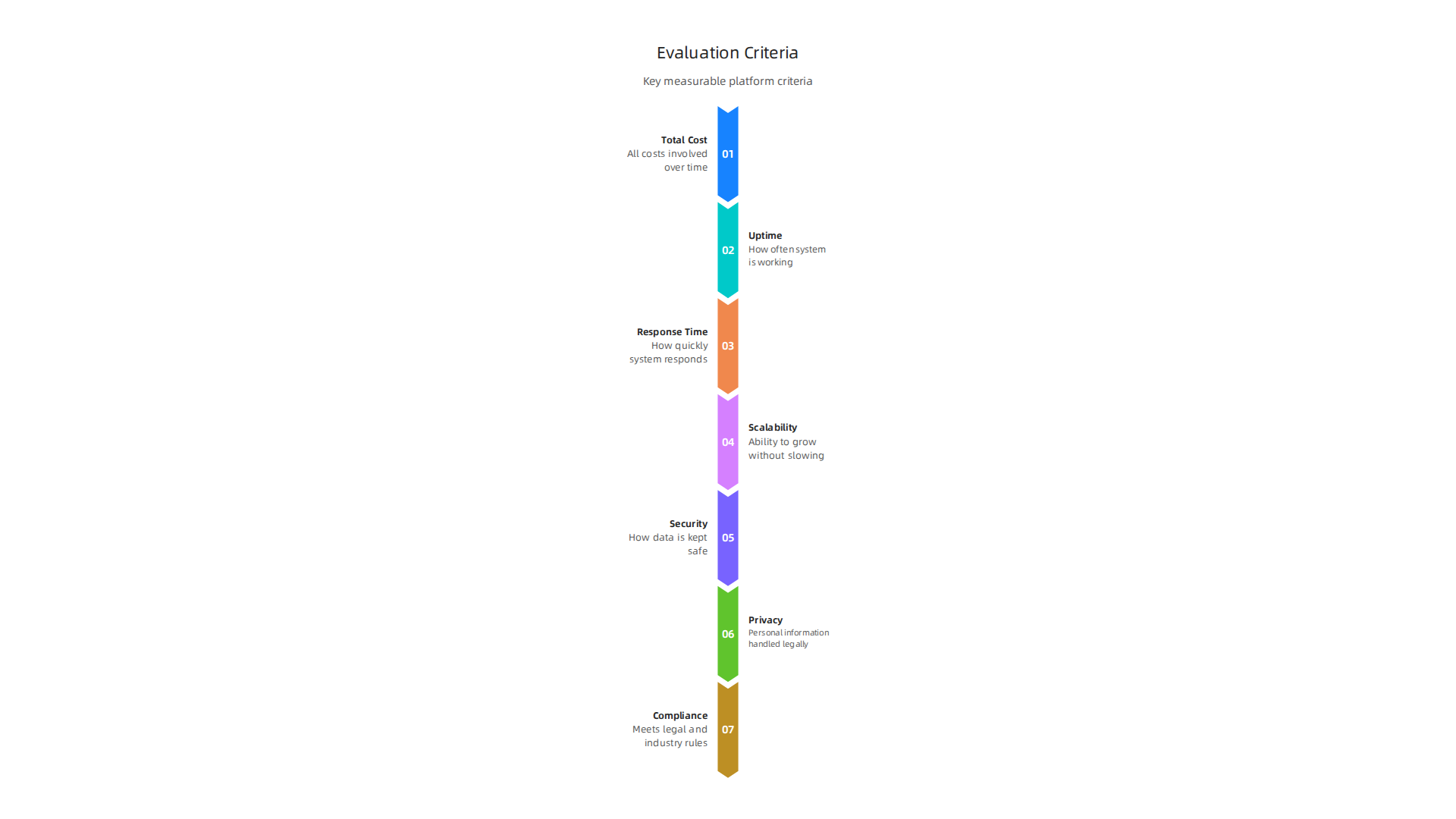
When you’re comparing different data analytics platforms, focus on these key areas:
-
Total Cost of Ownership (TCO)
This is more than just the price tag. TCO looks at all the costs involved over time, not just the upfront software cost. It includes:- Server costs: The money spent on the machines that run the software.
- Software licensing: This covers user fees, costs for processing data, and computing power. One report shows that software licensing can have various charges depending on the platform’s features, like data pipelines or data preparation capabilities Components of Analytics Pricing.
- Data storage costs: What it costs to keep all your information safe in a data lake or other storage.
- People costs: The money spent on skilled staff to set up, manage, and fix problems with the platform. Labor can be a big part of the cost for business intelligence solutions Lowering the Cost of Business Intelligence With Open Source.
- Maintenance and training: Costs for keeping the system running smoothly and teaching your team how to use it.
Knowing the full TCO helps you see the real cost over a few years, not just what you pay at the start.
-
Performance Service Level Agreements (SLAs)
SLAs are like promises from the platform provider about how well their service will work. You should look at:- Uptime: How often the system is working and available. You want it to be online almost all the time.
- Response time: How quickly the system gives you answers when you ask it to run reports or queries. Fast answers help your team work better.
- Scalability: Can the platform grow easily as your data grows or more people use it? This is crucial for future needs.
-
Data Governance Maturity
This means how well the platform helps you manage and protect your data. Good data governance is super important in 2026, especially with strict rules like GDPR and HIPAA. It covers:- Security: How data is kept safe from unauthorized access. This includes things like encrypting data, both when it’s stored and when it’s moving Enterprise Data Pipelines for Modern Data Infrastructure.
- Privacy: Making sure personal information is handled correctly and legally. Using tools that help with policy management is key 7 Big Data Analytics Privacy Problems & Solutions (2026).
- Compliance: Meeting all the legal and industry rules. This often involves tracking where data comes from (data lineage) and who can see it (access controls) Data Integration Best Practices for 2026: Architecture & Tools. You’ll want to ensure independent audit evidence is available Top Data Integration Platforms With Compliance and Audit Expertise.
- Access control: Setting up who can see or change different parts of your data. This helps protect sensitive information. Effective data governance often means a centralized platform for managing data catalogs and enforcing policies Navigating Data Compliance and Governance in 2026.
Structuring a Vendor Scorecard and Pilot Proofs of Value
After you’ve defined your criteria, you need a way to compare vendors. A vendor scorecard is a tool that helps you do this. It’s like a report card where you give each potential data analytics platform a score based on how well it meets your needs in each area (TCO, SLAs, data governance, and other features like prescriptive analytics or ease of use with tableau data analytics tools).
You can also run pilot proofs of value. This means picking a few top platforms and trying them out on a small project with your own data. It’s like a test drive. This lets you see firsthand how easy they are to use, how well they perform, and if they truly solve your specific business problems. These small tests help you validate claims and see which platform is truly the best fit for your team and goals.
For more on choosing the right tools, consider reading about Mastering Enterprise Analytics Platform Selection for 2026 ROI.
After you know which data analytics platforms might be a good fit, the next big step is thinking about how they will connect with your current systems. It’s also important to make sure they are safe and follow all the rules. This part is about minimizing risk when you bring new technology into your business.
Integration, security, and governance: minimizing risk during adoption
Choosing a new data analytics platform isn’t just about what it can do on its own. It’s also about how well it plays with your existing tools and how safe your data will be. Let’s look at how to bring these new systems into your company without problems.
How Data Analytics Platforms Connect to Your Business
When you pick a data analytics platform, you need to think about its "integration touchpoints." These are the places where the new platform will connect with your other business systems.
- ETL/ELT: This is how data gets moved around. ETL means "Extract, Transform, Load," and ELT means "Extract, Load, Transform." These are like smart pipes that pull data from one place, clean it up, and put it into your analytics platform. Having a clear data pipeline 2026 blueprint for building real time reliable infrastructure is crucial here.
- Identity Management: This deals with who can log into the platform and what they can see or do. You want it to link easily with your company’s existing user accounts. This makes sure only the right people get access. To keep things secure, you might want to learn how to fortify your enterprise with an AWS Cognito IAM strategy.
- APIs (Application Programming Interfaces): Think of APIs as special messengers that let different computer programs talk to each other. A good data analytics platform will have strong APIs so it can easily send and receive information from other apps you use.
A big challenge with integration is avoiding "data silos," where important information gets stuck in one system and can’t be easily shared. You want a platform that helps break down these walls. To make sure your data governance works well with integration, it’s good to follow Data Governance Integration Best Practices for Analytics Managers.
Keeping Your Data Safe and Sound
In 2026, keeping data safe and following privacy rules is more important than ever. Here’s what to consider for your data analytics platforms:
- Data Residency: This is where your data actually lives. Some countries have strict rules about where data can be stored. Your chosen platform should let you keep your data in the right place.
- Encryption: This means scrambling your data so only authorized people can read it. It’s vital that your platform encrypts data both when it’s sitting still (at rest) and when it’s moving from one place to another. Good data security best practices include encryption, monitoring, and retention policies.
- Auditability: You need to be able to track who accessed what data, when they did it, and what changes they made. This helps you prove you’re following rules like GDPR or HIPAA. Best practices for hybrid data integration compliance emphasize using a central control for auditing Best Practices for Hybrid Data Integration Compliance. You also want tools that collect evidence automatically for audits.
When choosing data analytics platforms, always ask about their security features and how they help you meet compliance needs. A good platform will act like an ai problem solver for these complex security and compliance issues, not create new ones.
For daily, in-depth insights into AI and technology, consider subscribing to The AI Newsletter Worth Reading.
After making sure your new data analytics platforms will connect well and keep your data safe, the next big thing to think about is money. This means understanding all the costs involved and how much good the platform will bring back to your business. This is how you figure out the Total Cost of Ownership (TCO) and the Return on Investment (ROI).
Cost, Licensing, and Deployment Models: Estimating TCO and ROI
Choosing data analytics platforms isn’t just about what they can do; it’s also about how much they will cost over time and if that cost is worth it. Let’s break down how to understand these financial sides.
Understanding Different Ways to Pay for Analytics Platforms
The way you pay for data analytics platforms can change a lot. Here are the main ways:
- Subscription Models: You pay a regular fee, usually monthly or yearly, to use the software. This is common for many cloud-based services. It’s like renting a car instead of buying it.
- Usage-Based Licensing: With this model, you pay for what you actually use. This might mean paying for the amount of data you process, the number of reports you run, or the computing power you consume. Many vendors have shifted to this kind of "consumption model" in 2026, making it a standard way to pay for data analytics tools.
- Perpetual Licensing: This is like buying the software outright. You pay a large, one-time fee for a permanent license. However, you often still pay yearly fees for support and updates. These costs can include the software license itself, plus charges for data processing and computing resources, as noted in the Components of Analytics Pricing.
Beyond the license, don’t forget deployment. Cloud-based platforms might have lower upfront costs but ongoing usage fees, while on-premise solutions (software you run on your own computers) might have higher setup costs for hardware and staff. To get a full picture of all the potential expenses, it helps to understand the Total Cost of Ownership for Business Intelligence tools.
What is Total Cost of Ownership (TCO)?
TCO is more than just the price tag of the software. It includes all the costs you will pay over the entire time you own and use the platform. Think of it as the full cost of keeping the lights on for your analytics system.
Key parts of TCO include:
- Software and Hardware Costs: The actual price of the licenses or subscriptions, and any new computers or servers you might need.
- Setup and Integration Costs: The money spent to install the platform and connect it to your other systems. Data integration alone can take up a big chunk of project budgets.
- Labor Costs: The salaries of the people who set up, manage, train others on, and use the platform, like data scientists or IT staff. Reports often show that labor makes up a large part of the total cost.
- Training Costs: What you spend to teach your team how to use the new tools effectively.
- Maintenance and Support: Ongoing fees for software updates, technical help, and keeping everything running smoothly.
- Hidden Costs: These can include things like the effort to make sure data rules are followed and to keep data secure, as discussed in "Hidden Costs at the Consumption Layer".
Looking at the Cloud Analytics Platform Total Cost of Ownership can help you see all these different categories that add up.
Measuring Your Return on Investment (ROI)
ROI shows you the value your data analytics platforms bring back to your business compared to what you spent. It’s about showing that the investment was worth it. Measuring data analytics ROI involves comparing the financial gains from using data against all the costs over the project’s life.
Here’s how to think about ROI:
- Faster "Time-to-Value": How quickly you start getting useful insights and benefits from the platform. A faster time-to-value means you see benefits sooner. Some studies show faster time-to-value can be worth millions over a few years.
- Better Decisions: When you have better insights, your business can make smarter choices. This can lead to more sales, finding new opportunities, or avoiding problems.
- Productivity Gains: The platform helps your team work faster and more efficiently. For example, automating tasks that used to take a lot of manual effort. Organizations using modern analytics platforms have reported significant savings and high ROI, sometimes over 500%, by reducing duplication and speeding up insights.
- Operational Savings: Finding ways to cut down on unnecessary spending or make your processes cheaper. For example, improving how you manage your supply chain or customer service.
- Advanced Analytics Benefits: Platforms that offer advanced features like prescriptive analytics, which not only tell you what happened but also what you should do next, can often lead to a much higher ROI.
To truly understand ROI, it’s important to set clear goals for what you want the platform to achieve. Before you even start, define how you will measure success. For more in-depth guidance, exploring how to calculate the enterprise analytics ROI can provide a framework to ensure your initiatives drive measurable business outcomes.
Looking ahead: AI, embedded analytics, and the next wave of platform innovation
Once you have a good handle on costs and expected returns, it is time to look at what’s next for data analytics platforms. The world of data is always changing, and new technologies are making these platforms even more powerful. In 2026, we’re seeing big shifts, especially with how Artificial Intelligence (AI) is being used.
The Power of AI in Data Analytics
AI is quickly becoming a core part of how we use data. It’s not just a fancy add-on anymore. Things like generative AI, which can create new content, and AI agents, which can act on their own, are now central to many analytics plans. These smart tools help transform raw data into easy-to-understand information, helping businesses make smarter choices faster. By 2026, many new analytics tools will have AI-generated insights as a standard feature, changing how we get answers from our data Data Analytics Market Research Report 2034 – Dataintelo.
AI is also making "augmented analytics" stronger. This means that AI helps you find important patterns and insights in your data without you having to ask specific questions. It’s like having a smart helper for your data that can even act as an ai problem solver, suggesting solutions. This helps you get value from your data faster and make better decisions.
Emerging Ways Data is Used: Embedded Analytics and MLOps
Two important trends shaping the future of data analytics platforms are embedded analytics and MLOps.
Embedded Analytics means putting data insights directly into the tools and apps you use every day. Imagine seeing a sales trend right inside your customer management software, instead of having to open a separate analytics program. This makes real-time data much easier to use, helping people make quick, smart decisions on the spot. The market for embedded analytics is growing fast and is expected to reach $90 billion in 2026 Embedded Analytics Trends 2026: 6 Forces Reshaping the …. This trend highlights a need for data to be where the work happens, as seen by continued growth in this area Embedded Analytics Market Trends: Real-Time Insights, AI ….
MLOps, or Machine Learning Operations, is all about making sure AI models work well and smoothly. It helps teams build, deploy, and manage AI tools easily. With more AI in data analytics, MLOps becomes very important. The MLOps market is growing significantly, from $3.33 billion in 2026 to an expected $56.60 billion by 2035 Machine Learning Statistics 2026. This growth shows how important it is to have good processes for handling AI.
How Cloud and AI Change What Companies Offer
Today, data analytics platforms stand out not just by what they do, but by how well they use new technology. Cloud-native platforms, which are built to work best in the cloud, offer great flexibility and power. When you add AI-driven features, these platforms become even more special.
Key things that make one platform better than another in 2026 include:
- Scalability: How easily a platform can handle more data and users as your business grows.
- Data Portability: How easily you can move your data between different systems.
- AI Governance: Making sure AI is used fairly and securely, and that you can understand how it makes decisions. Companies are highly focused on this Data, AI & Analytics Trends Across Organizations in 2026.
- Semantic Layers: These are important foundational parts of modern data systems. They help AI tools understand your data better, making it simpler to get useful information Data & Analytics Predictions for 2026: AI, Semantics & BI | AtScale.
The move to cloud-native and AI-first designs is changing how businesses choose their data analytics platforms. These modern platforms are not just tools; they are strategic partners that help businesses understand their world and make better plans for the future.
Staying updated on the latest AI trends is vital for any leader. Get clear daily AI updates from The AI Newsletter Worth Reading.
Summary
This article explains why enterprise leaders must choose the right data analytics platform now and gives a practical roadmap for making that decision in 2026. It defines what a modern analytics platform does across data ingestion, storage, transformation, analysis and operationalization, then outlines the technical and business capabilities to evaluate—real-time processing, scalability, AI-native support, self-service analytics and governance. It compares platform types (cloud-native, hybrid, open-source, vendor suites), explains how to build measurable evaluation frameworks and vendor scorecards, and recommends pilot proofs of value to validate fit. The guide also covers integration touchpoints, security and compliance requirements, and how to estimate total cost of ownership and expected ROI. Finally, it points to near-term trends—AI, embedded analytics and MLOps—that should influence platform choices so teams can select solutions that scale, stay secure, and deliver measurable business outcomes.