
Enterprise Technology Analyst Insights 2026 A Guide for CIOs and CTOs

Introduction: Why Analyst Insights Matter More Than Ever
If you are a CIO or CTO, you probably feel it every day. The amount of information coming at you is massive. New tools, new threats, new buzzwords. How do you know what is real and what matters?

In 2026, the pace has not slowed down. According to Gartner research, CIOs are dealing with fast technological change and rapid AI advancements. At the same time, boards are changing what they expect. They no longer just care about uptime. They want business value and growth. That makes every decision feel high stakes.
Here is where a good analyst comes in. Analyst insights help you cut through the noise. They give you a clear, trusted view of the market. But the analyst profession itself is changing. AI is reshaping research and development cycles. Performance analytics tools are getting smarter. And top software companies are moving faster than ever. The old ways of using reports might not work anymore.
That is why we built this article. We will show you a data-driven roadmap for leveraging analyst insights effectively. You will learn how to pick the right sources, ask better questions, and turn research into real action. Along the way, we will point you to tools and practices that help you stay ahead. For example, strong data collection methods are the backbone of good analysis, and you can read more about that in our guide on data collection methods for enterprise AI in 2026.
But first, a quick note. Staying informed every day is hard. That is why thousands of leaders rely on The Deep View Newsletter for clear, daily updates on AI and enterprise tech. You can get free updates to get these insights straight to your inbox.
Now, let’s dig into what makes an analyst truly valuable in 2026.
The Analyst Landscape in 2026: A New Context
The analyst world is not what it used to be. In 2026, you have more options than ever. But that comes with a cost: more noise.
Traditional firms like Gartner and Forrester are still giants, but they are no longer the only game in town. The market has fragmented. Now you also have independent experts who focus on one narrow slice of tech. You have AI-driven advisory platforms that crunch data in real time. And you have peer review sites where real users share honest opinions.
This shift is happening because buyers want something different. You do not need a 200-page report on the whole cloud market. You need a specific, actionable answer about one vendor. You need to know if a tool actually works for a team your size. According to the 2026 State of the CIO Survey by Foundry, 46% of CIOs now see themselves as business leaders first, not just tech operators. That means analyst insights must connect directly to business outcomes, not just feature lists.
New players are stepping up. Peer review platforms let you read unfiltered feedback from people in similar roles. Community driven analysis, like what you see on Reddit or specialized Slack groups, can sometimes spot a trend faster than a formal report. These sources challenge the old model where a small group of analysts held all the power.
The result? You have to be more selective. A good analyst in 2026 is one who understands your specific industry, your company size, and your biggest pain point. The broad "magic quadrant" approach still helps for initial scanning, but the real value comes from niche, focused advice.
As you navigate this new landscape, remember that solid data collection is the foundation of any good analysis. For a deeper look at how to gather quality data, check out our guide on data collection methods for enterprise AI in 2026. Understanding the sources behind the insights will help you separate signal from noise.
The Strategic Value of Enterprise Technology Analysts
With so much noise out there, you might wonder: do analysts still matter? The answer is yes, but only if you use them the right way. In 2026, the best enterprise technology analysts do three things that save you time and money.
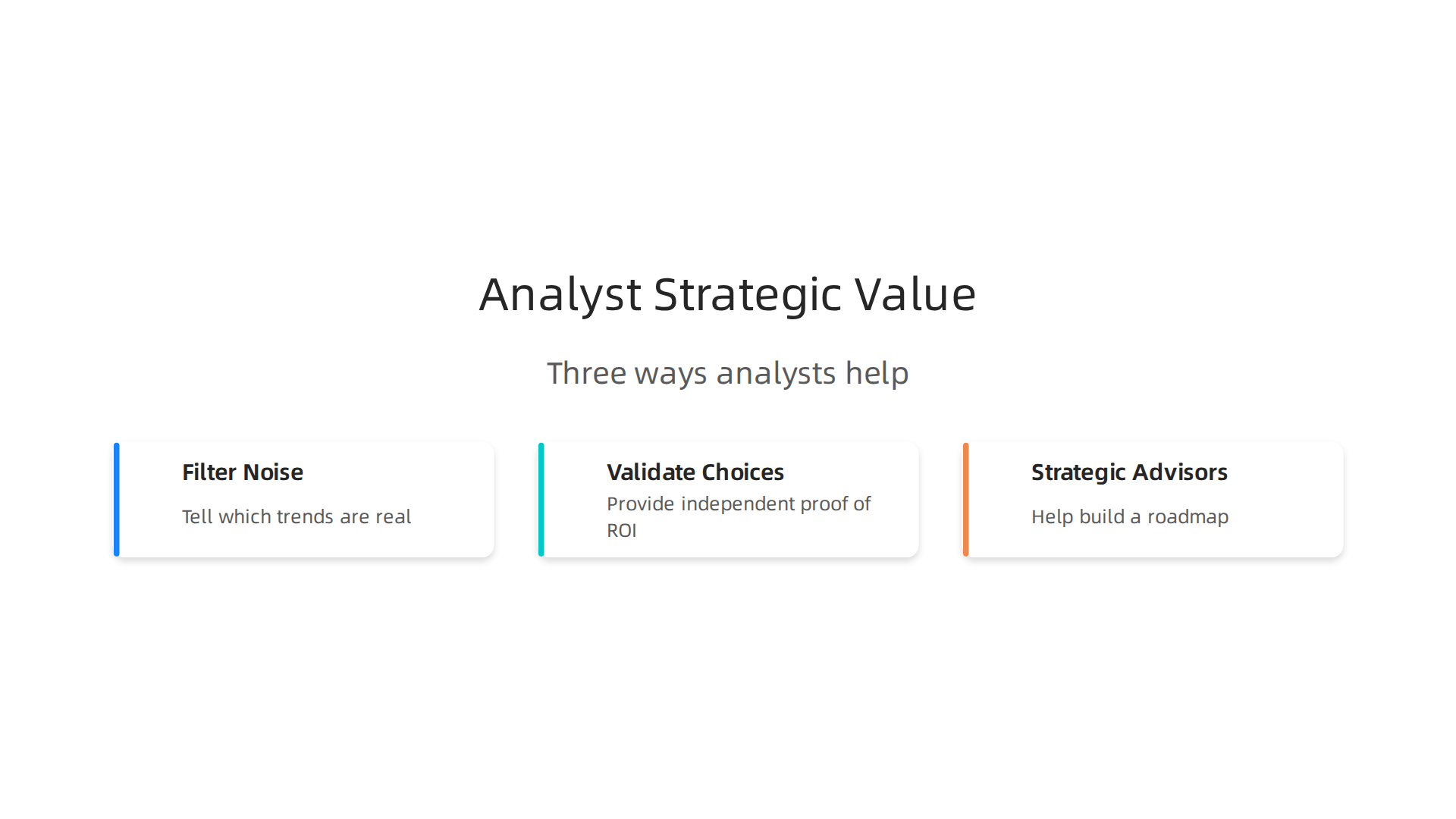
First, they filter the noise. Your team does not have the bandwidth to read every vendor blog, peer review, and market report. A good analyst scans the whole landscape and tells you which trends are real. For example, according to the 2026 Breaking Analysis from theCUBE Research, IT budgets are rising about 5% this year, but spend needs to be smart. Analysts help you focus on the moves that actually matter for your business.
Second, they validate your choices. It is easy to fall for a flashy demo. But before you sign a contract, you need independent proof. That is where analyst-validated ROI comes in. IDC Business Value delivers evidence that removes pricing doubt and shows you what top software companies actually deliver. You get a second opinion that is backed by data, not hype.
Third, they act as strategic advisors. The most valuable analysts do not just rank vendors. They help you build a roadmap.

According to IBM’s 2026 CEO Study, successful leaders focus on AI-first transformation. An analyst who knows your industry can guide your research and development priorities and align technology with your long-term goals.
Companies that actively engage with analysts move faster. They skip the trial-and-error phase and adopt solutions that already have proven performance analytics behind them.
To get the most out of analyst insights, you first need solid data. Read our guide on data collection methods for enterprise AI in 2026 to learn how to gather the raw material that makes any analysis stronger.
Want to stay ahead of the trends without the noise? Subscribe Free to The Deep View Newsletter for clear daily AI updates delivered to your inbox.
Types of Analysts: Independent Experts vs. Large Firms
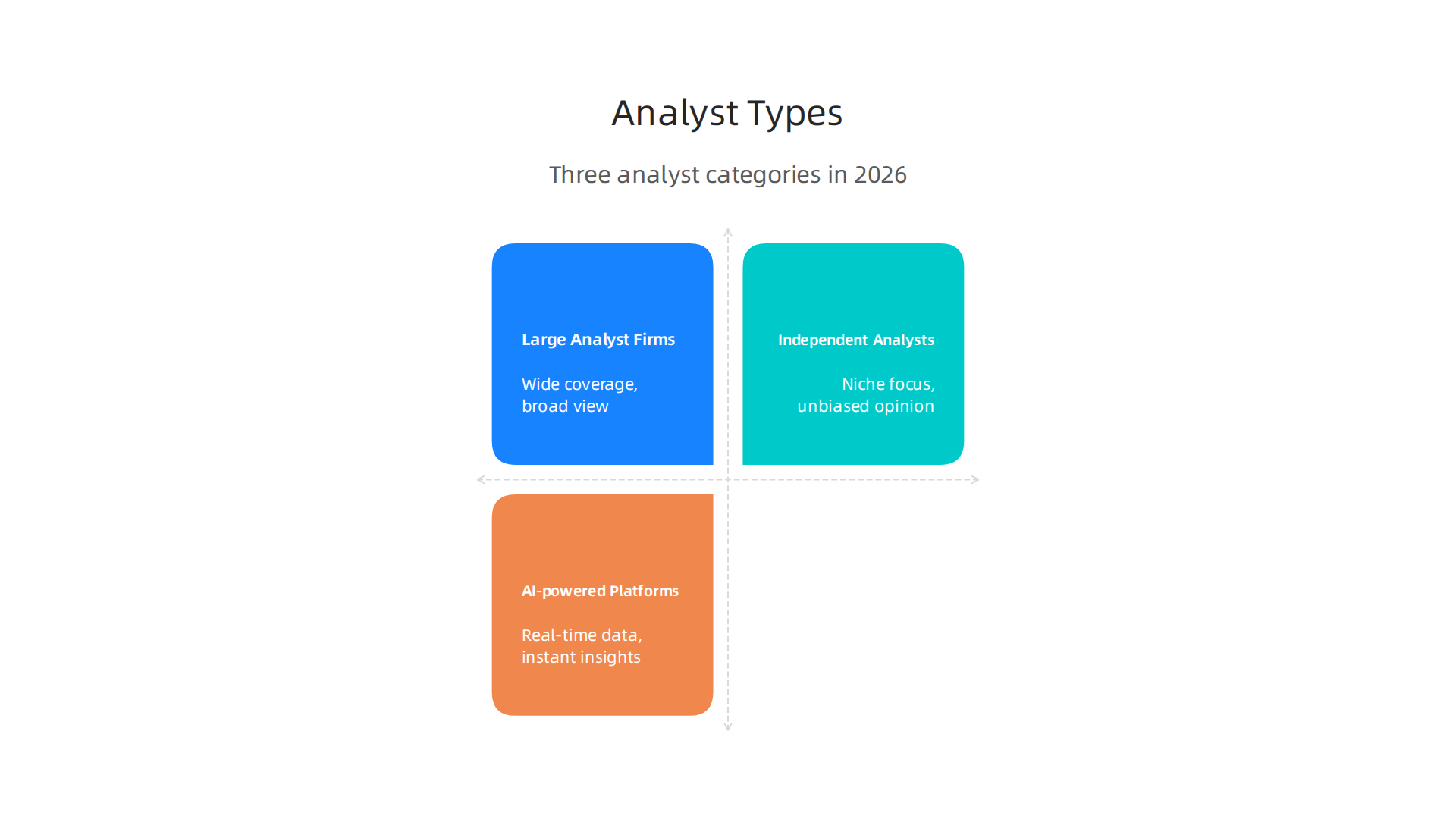
Not all analysts are the same. The kind you choose depends on what you need and how much you want to spend. In 2026, there are three main types of enterprise technology analysts.
Each one has strengths and weaknesses.
Large analyst firms like Gartner and Forrester offer the widest coverage.
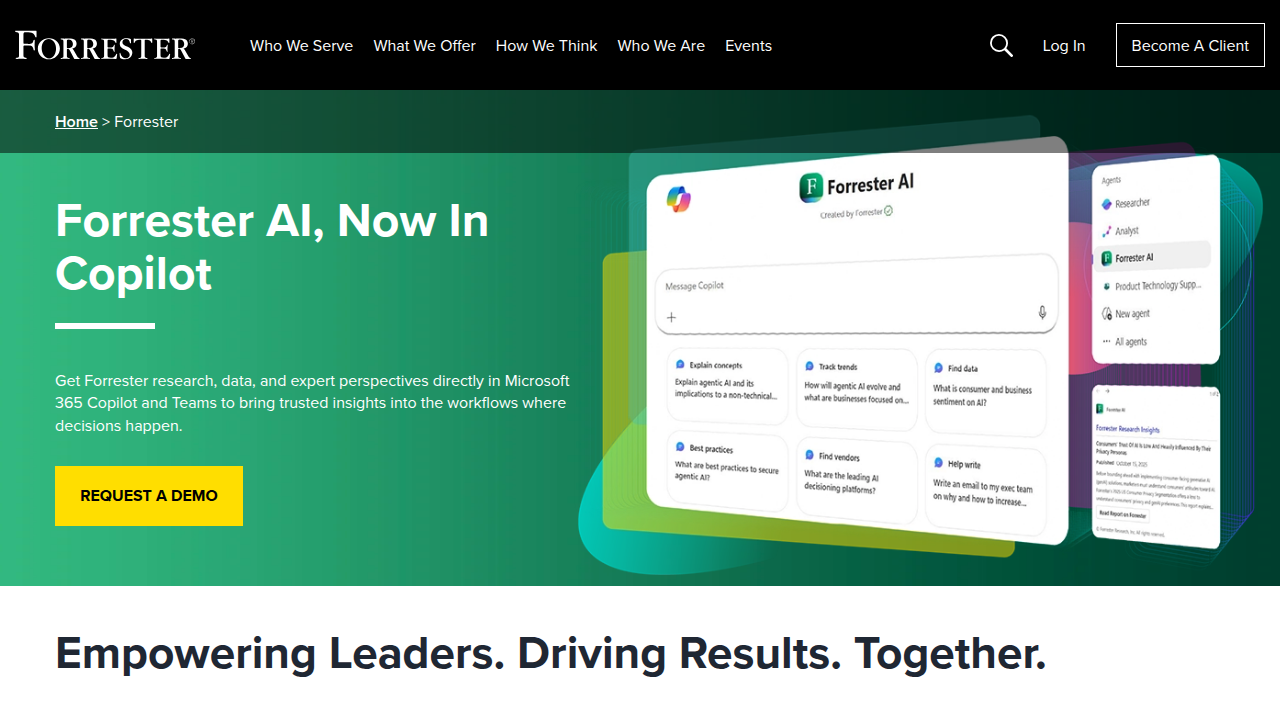
They track hundreds of markets and thousands of vendors. Their broad view helps you understand the big picture. But here is the catch. Large firms sometimes face conflicts of interest. They take money from the same vendors they rate. That does not make their advice useless. It just means you need to know where the money comes from. Forrester calls its approach enterprise alignment. They help you stay steady through market changes. That kind of top down view works well for strategy.
Independent analysts are the opposite. They focus on one specific area. Think of them as subject matter experts. They do not have the scale of a big firm. But they also do not have the conflicts. An independent analyst can give you a truly unbiased opinion on performance analytics or a specific top software company. They dig deep into the details. If you need help with research and development for a niche product, an independent analyst is often the better choice.
AI powered analysis platforms are the new kid on the block. These tools scan vast amounts of data in real time. They provide instant insights without human bias. According to ETR’s Enterprise AI Trends 2026, AI is shifting from pilots to production this year. These platforms are still evolving. But they offer a fresh way to get continuous feedback.
Each type has a role. The best approach is to combine them.
Want to cut through the noise and find the right analyst for your needs? Subscribe Free to The Deep View Newsletter for daily insights that simplify your research.
How Analysts Are Adapting to AI and Automation
Here is the thing about enterprise technology analysts in 2026. They are not sitting still. AI is changing how they work, and the best analysts are changing right along with it. Instead of being replaced, they are becoming faster and smarter by using the right tools.
The biggest shift is in data gathering. Analysts used to spend hours pulling together spreadsheets, vendor reports, and market numbers. Now AI tools handle that routine work. According to a guide on top AI tools for productivity in 2026, these tools cut down on manual errors and speed up decision making. That means analysts can skip the busywork and focus on what actually matters.
Natural language processing is another game changer. Analysts can feed mountains of unstructured data like earnings calls, product reviews, and social media chatter into an NLP tool. The AI surfaces trends and red flags in minutes. This is especially useful for tracking performance analytics across hundreds of vendors at once. For more on how enterprise teams are collecting this kind of data, check out our article on data collection methods for enterprise AI in 2026.
But here is what does not change. Human judgement. AI can tell you what the data says. It cannot tell you what it means for your specific business.

The top software companies still rely on analysts to make nuanced calls about risk, strategy, and fit. That kind of insight comes from experience, not automation. Analysts spend the time AI saves on deeper research and development of tailored recommendations.
In short, AI makes analysts more productive. It does not make them obsolete. The best analysts in 2026 are AI augmented, not AI replaced. They use the machine to handle the tedious parts so they can bring their full brainpower to the hard questions.
Want to stay ahead of how AI is reshaping every corner of enterprise tech? Subscribe Free to The Deep View Newsletter for daily insights that keep you informed without the noise.
Critical Skills for Enterprise Analysts in 2026
Being a valuable enterprise analyst in 2026 is no longer about just running reports or pulling data from spreadsheets. AI tools now handle the repetitive parts of data gathering and basic analysis. According to a guide on top AI tools for productivity in 2026, these tools automate routine tasks, cut manual errors, and speed up decision making. That means the baseline skills have shifted. To stay relevant, analysts need to develop three critical areas.
Domain expertise is more valuable than ever. Companies want analysts who understand the specific industries they serve. Whether it is healthcare, finance, or manufacturing, knowing the regulations, workflows, and pain points of a vertical lets you spot opportunities that a generalist would miss. For example, a manufacturing analyst who understands supply chain bottlenecks can recommend the right IoT solution and explain why it matters. That kind of insight comes from experience in the field, not from a tool.
Data literacy is now a baseline requirement. You do not need to be a data scientist, but you do need to be comfortable with statistics, data visualization, and interpreting numbers. Analysts must know how to question data quality, spot outliers, and present findings clearly. AI can surface trends, but it takes a human with strong data skills to separate noise from signal. This is especially critical when tracking performance analytics across hundreds of vendors at once.
Soft skills are what separate good analysts from great ones. Communication, storytelling, and consulting acumen are the differentiators. You can have the best data in the world, but if you cannot explain it to a room full of executives, it will not drive change. Top software companies look for analysts who can turn data into a narrative, lead conversations, and recommend actions with confidence. That blend of technical know-how and people skills makes you indispensable.
When you combine domain expertise, data literacy, and strong soft skills, you become the analyst that leadership trusts. You are no longer just a data provider. You are a strategic partner who guides research and development, vendor selection, and long-term planning.
Want to stay sharp on how AI is reshaping the analyst role and the whole enterprise tech landscape? Get Free Updates from The Deep View Newsletter for daily insights delivered straight to your inbox.
Evaluating Analyst Credibility and Trustworthiness
So you have sharpened your domain expertise, data literacy, and soft skills. That is a great start. But here is the real question: how do you know you can trust the insights an analyst delivers? In 2026, with so much data flowing in from so many places, credibility is everything. Decision makers at top software companies rely on analysts to guide research and development, vendor selection, and strategic planning. A wrong call can cost millions. So how do you separate a reliable analyst from someone who just sounds confident?
It comes down to a few core signals. Let us walk through them.
Methodology transparency is the number one trust signal. A credible analyst does not hide how they got their data. They tell you the sources, sample sizes, and any potential conflicts of interest. The NewsGuard rating process is a good example of this in action.
Their analysts are trained journalists who publicly disclose the criteria used to assess website credibility. That kind of openness builds confidence. When you are evaluating your own work or the work of others, always ask: can I see the methodology? If the answer is no, proceed with caution. And if you want to strengthen your own methodology, a good place to start is understanding how data is collected in the first place. You can learn more about that in our guide on performance analytics and data collection methods.
Peer reviews and client references provide real world validation. An analyst might talk a big game, but what do their peers and past clients say? In scientific research, the gold standard is the many analyst study, where multiple independent analysts try to replicate findings. That approach is spreading into enterprise analysis too. If an analyst has case studies, testimonials, or references you can actually speak with, that is a strong signal. It means their insights have been tested outside of a PowerPoint deck.
Accreditations and adherence to ethical standards matter. Look for analysts who follow established professional guidelines. For example, the Actuarial Standards Board has detailed credibility procedures that actuaries must follow. While not every analyst needs actuarial level rigor, the principle is the same. Does this person operate within a recognized code of ethics? Do they follow industry standards like those from ANSI or other bodies? In regulated industries like healthcare and finance, these standards are non negotiable. The CMS credibility method for prescription drug coverage in 2026 is a good example of a specific standard that analysts in that space must understand.
Building trust takes time. But by focusing on these three areas, you can spot the analysts who are truly worth listening to.
Want to stay sharp on how AI is reshaping the analyst role and the whole enterprise tech landscape? Subscribe Free to The Deep View Newsletter for daily insights delivered straight to your inbox.
Market Trends Shaping Analyst Demand in 2026
So you have built the skills and know how to spot a credible analyst. That is good timing. Because in 2026, the demand for analysts is shifting fast. The types of questions enterprises ask are changing. And the analysts who can answer those questions are becoming more valuable than ever.
Here are the three biggest trends shaping what top software companies and enterprise leaders actually need from their analysts right now.
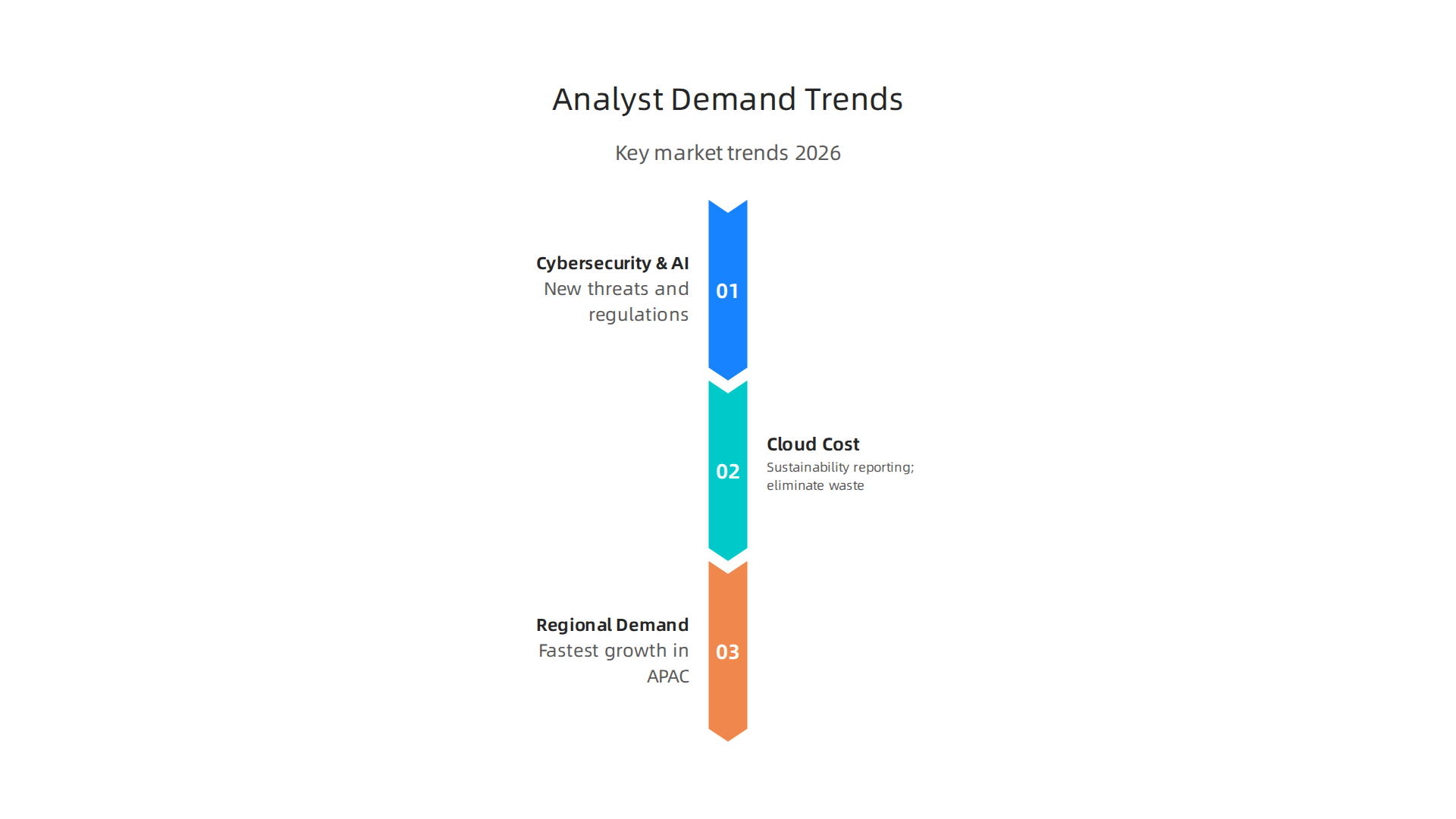
Cybersecurity and AI governance are the hottest areas for analyst guidance. Every week brings new threats and new regulations. Companies are scrambling to understand how to protect their data and use AI responsibly. That means they need analysts who can do more than just crunch numbers. They need people who can connect the dots between security risk, compliance rules, and business strategy. The NewsGuard rating process is a perfect example. Their analysts are trained journalists who dig into website ownership, financing, and credibility to produce reliable ratings. That kind of thorough, transparent analysis is exactly what enterprises want for their own AI governance and security decisions.
Cloud cost optimization and sustainability reporting are two new growth niches. Here is the thing. Cloud spending has gotten out of control for many companies. They need analysts who can find waste and recommend smarter spending. At the same time, sustainability reporting is becoming mandatory in more regions. Analysts who can measure carbon footprints and model the financial impact of green initiatives are in high demand. These are not just nice to have skills anymore. They are core parts of research and development planning for 2026 and beyond.
Regional demand is growing unevenly. North America is still the biggest market for analyst services. No surprise there. But the fastest growth is happening in Asia Pacific (APAC). Companies in India, Southeast Asia, and parts of China are investing heavily in enterprise technology. They need local analysts who understand their markets and global ones too. If you want to grow your career, keeping an eye on APAC opportunities is a smart move.
To really understand where these trends are headed, you need to know how the data behind them is collected and verified. That is why our guide on performance analytics and data collection methods is worth a read. It will help you ask better questions and spot the patterns that matter.
Want to stay sharp on how AI is reshaping the analyst role and the whole enterprise tech landscape? Subscribe Free to The Deep View Newsletter for daily insights delivered straight to your inbox.
Practical Guidance for Leveraging Analyst Insights
Knowing what trends matter is one thing. Putting that knowledge to work is another. If you want to get real value from analysts, you need a plan. Here is practical guidance that top software companies use to turn analyst insights into smarter decisions.
**Develop a structured analyst engagement program.

** Do not just read reports when they land in your inbox. Be proactive. Identify the key analysts who cover your market. Schedule regular briefings with them. And track the outcomes over time. A formal process helps you spot patterns and build consistent knowledge. According to one checklist for CIOs and CTOs, having a formal data strategy is key to getting the maximum value from your efforts. The same idea applies to analyst engagement. Treat it like a core part of your research and development process.
Use analyst reports as input, not the final answer. Here is the thing. Analyst reports are powerful. But they should not be your only source. Always triangulate what you read with peer advice and your own internal data. The most experienced enterprise leaders know that analyst insights are strongest when combined with real world performance analytics from their own systems. That way you avoid blind spots and make decisions based on a fuller picture. To really understand the data behind those reports, check out our guide on performance analytics and data collection methods.
Invest in relationships for custom insights and early access. Analysts talk to hundreds of companies. They see patterns before anyone else. If you build a genuine relationship, they will share insights that never make it into a published report. They might give you early access to upcoming research or connect you with peers facing similar challenges. That kind of inside knowledge is gold for CIOs and other leaders focused on the top priorities for 2026, like maximizing AI investments and managing risk.
Want to keep learning how to make smarter technology decisions? Subscribe Free to The Deep View Newsletter for daily insights delivered to your inbox.
Summary
This article explains why enterprise technology analysts remain essential in 2026 and shows CIOs and CTOs how to get measurable value from them. It maps the changed analyst landscape—large firms, independents, and AI-driven platforms—and explains when to use each. The piece describes how AI automates data gathering and NLP so analysts can focus on judgment, and it lists the three core skills analysts need: domain expertise, data literacy, and communication. You’ll learn practical steps to evaluate credibility (methodology transparency, peer reviews, accreditations) and build a structured engagement program that turns reports into action. The article also highlights high-demand areas like cybersecurity, cloud cost optimization, and regional growth in APAC. After reading, you’ll be able to choose the right analyst type, assess trustworthiness, and use analyst insights to guide R&D, vendor selection, and strategic decisions.