
The 2026 AI Jobs Landscape: Critical Insights for Enterprise Leaders

Why the AI jobs landscape matters for enterprise technology leaders
For leaders in big companies, understanding the world of ai jobs is super important in 2026. The way companies hire for AI roles changes how they plan for the future, which software they pick, and how long it takes to finish big projects. It’s not just about finding smart people, it’s about making sure your whole business is ready for new technology.
Think about it this way: if your company wants to use more AI, you need the right people to make that happen. This means looking at all kinds of roles, from those skilled in general computer science jobs to specific solutions engineer roles and even specialized embedded software engineer jobs. The kinds of people available and what they can do directly impacts how fast your company can grow with AI.
Enterprise leaders face some big problems today. One is that there aren’t enough skilled people for all the AI jobs out there. This "talent scarcity" makes it hard to fill important roles quickly. Also, the jobs themselves are always changing. What an AI expert does today might be different next year. These changes can make projects cost more or take longer than planned. It also brings risks if your team isn’t up-to-date.
Actually, a 2025 report by the OECD highlighted how many companies use AI to help with skill and labor needs, showing that finding the right talent is a global challenge for businesses both big and small, particularly in 2024 and beyond as AI adoption grows globally, affecting skills divides across markets AI adoption by small and medium‐sized enterprises. For enterprise leaders, understanding these trends helps them prepare for tomorrow’s technology world, making sure their company stays smart and competitive.
To help stay on top of all the fast-moving AI and technology news, consider subscribing to The AI Newsletter Worth Reading for clear daily updates.
State of the AI Job Market in 2026: Supply, Demand, and Velocity
Now, let’s take a closer look at what’s happening with ai jobs in 2026. The world of AI is moving super fast, and so is the need for people who understand it. This year, we see very high demand for AI skills, but not always enough people who have them. This means that companies are working hard to find and hire the best talent.
The speed at which companies are hiring for AI and computer science jobs is faster than ever before. If you compare it to a few years ago, the race to bring in AI experts has really picked up. Companies know that having skilled AI teams is key to staying ahead. This quick hiring speed is a sign of how important AI has become in every type of business.
So, who is hiring most aggressively? It’s a mix of different types of companies:
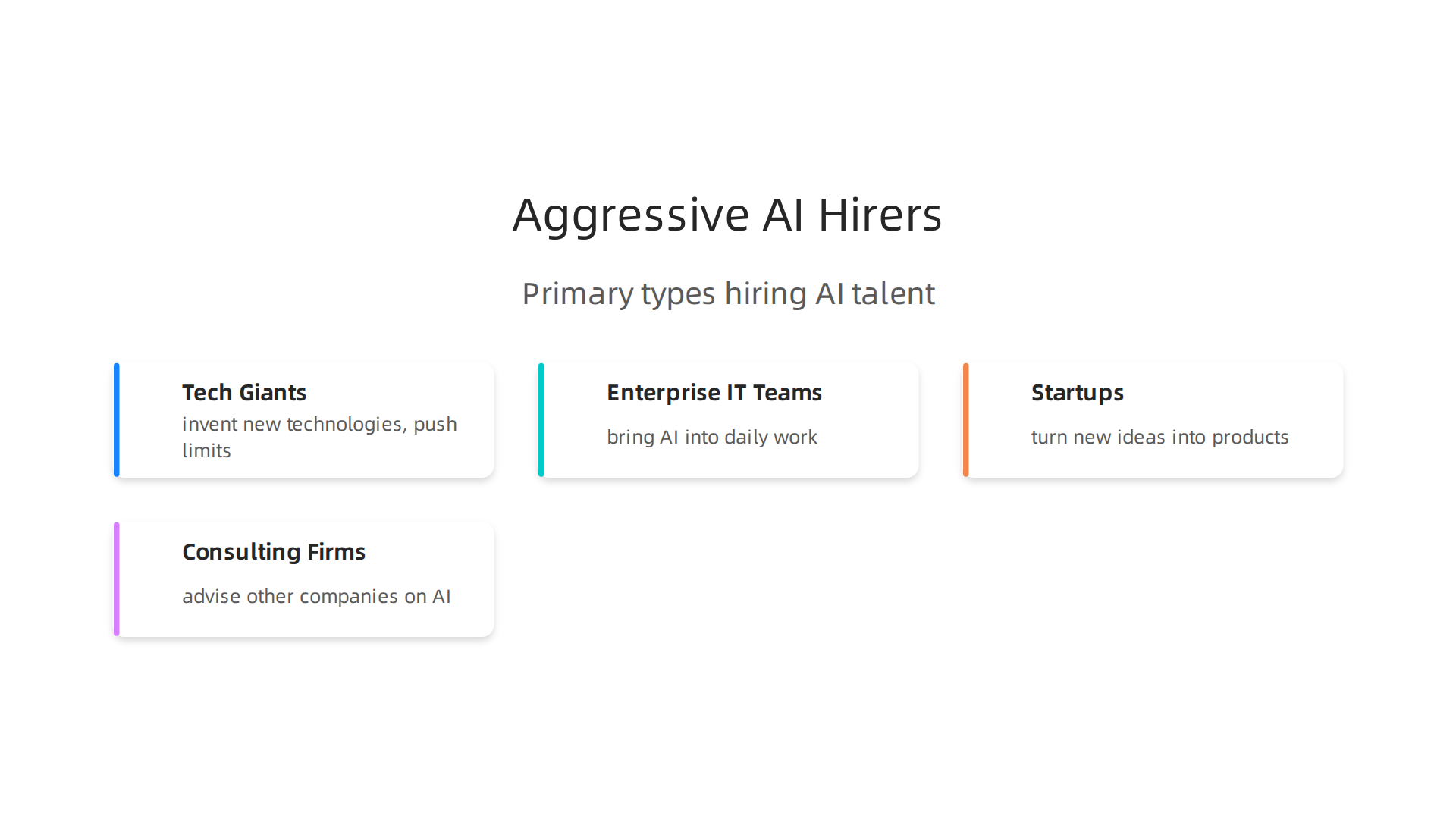
- Tech Giants: Big technology companies are always at the front. They hire a lot of AI experts to invent new technologies and keep pushing the limits of what AI can do. They need top minds to build the next big thing.
- Enterprise IT Teams: These are the technology departments within large, established businesses. They are quickly hiring people to help bring AI into their daily work. This means using AI to make things faster, smarter, and more efficient, whether it’s managing customer service or making sense of big amounts of data. For these teams, choosing the right tools is also very important. They look for smart ways to use enterprise AI apps to solve business problems.
- Startups: New, smaller companies built around AI ideas are also hiring quickly. They need creative people to turn new ideas into real products and services. These companies often look for specialized skills to build their unique AI solutions from the ground up.
- Consulting Firms: Many businesses need help understanding and using AI. Consulting firms hire AI professionals to advise other companies. They help clients figure out how to best use AI and implement new systems.
All these different types of employers are hiring so quickly because AI offers huge chances for growth and change. From making operations smoother to creating brand new customer experiences, AI is changing how businesses work. Having the right people to lead these efforts is not just a nice-to-have, it’s a must-have for success in 2026.
Which AI roles are most in demand (and how role definitions are shifting)
Now that we know who is hiring, let’s look at the specific ai jobs that companies really need right now in 2026. The job market for AI skills is changing quickly. More than half of all tech job postings now ask for AI skills, showing just how important they are becoming across the board 50% of Tech Jobs Now Require AI Skills.
Here are some of the most sought-after positions:
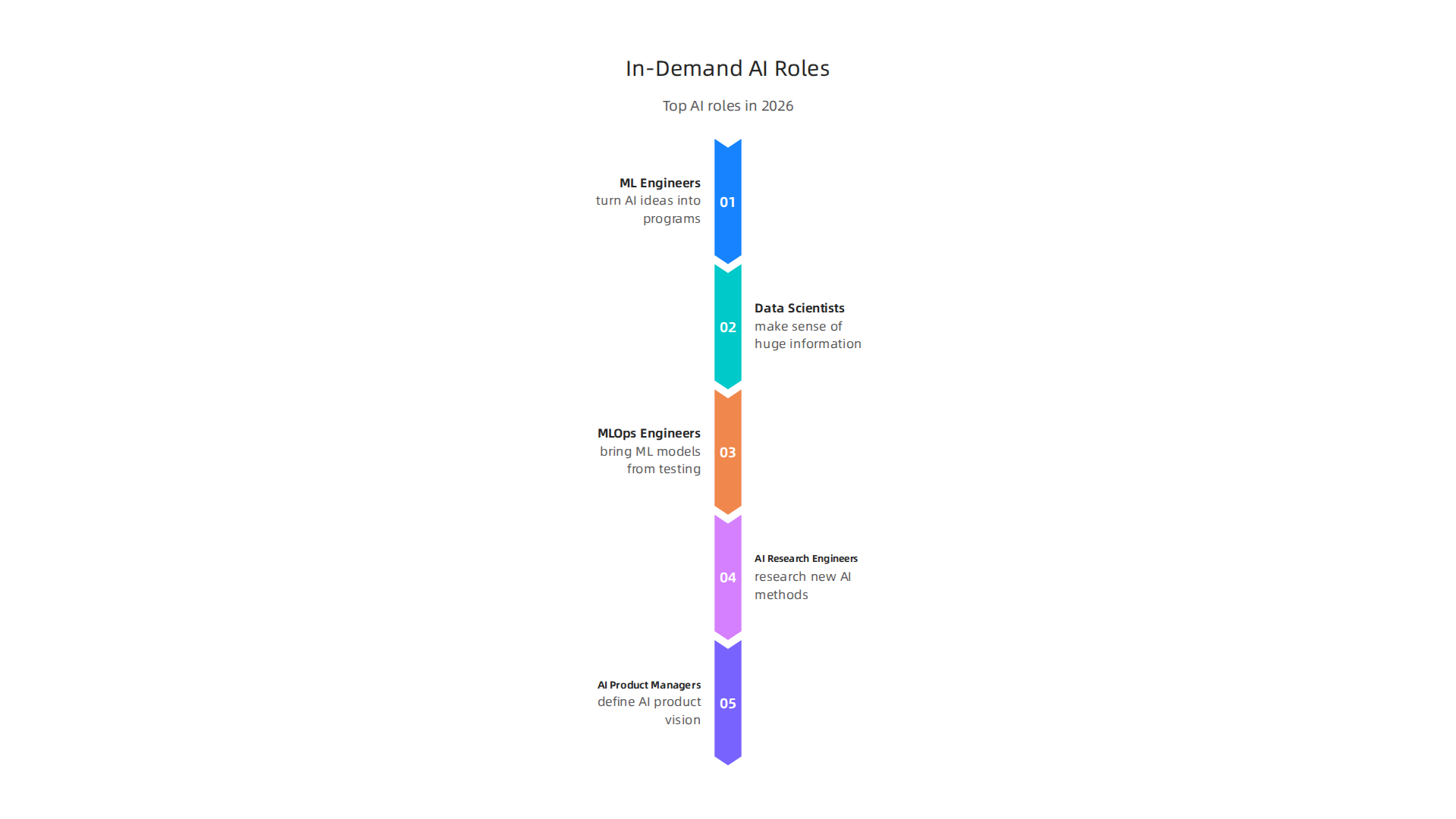
- Machine Learning (ML) Engineers: These folks are like the builders of AI. They take AI ideas and turn them into working programs and systems. They design, build, and keep the machine learning models running smoothly. Their work is key to making AI useful in real business situations.
- Data Scientists: A data scientist’s job is to make sense of huge amounts of information. They find patterns, build models, and help businesses make better decisions. They’re often the first ones to explore new data to see what AI can do with it. If you want to understand more about getting started with data, you might find our guide on Exploratory Data Analysis The Critical First Step For Enterprise Data Science helpful.
- MLOps Engineers: Think of these as the bridge builders. MLOps engineers help bring machine learning models from the testing stage to where they can be used every day by a company. They make sure AI systems are reliable, secure, and work well over time. This role is becoming super important because getting AI models to work reliably in the real world can be tricky.
- AI Research Engineers: These are the explorers. They look for new ways to make AI smarter and solve problems that AI hasn’t tackled yet. They often work on the cutting edge, developing new algorithms and pushing what AI can do.
- AI Product Managers: These leaders help decide what AI products to build. They understand what customers need and how AI can meet those needs. They work closely with engineers and scientists to make sure AI projects deliver real value.
The definitions of these ai jobs are also shifting. For example, many roles now focus more on getting AI models into "production," meaning making them ready for everyday use, rather than just building them in a lab. This means skills in MLOps, or making sure AI systems are safe and follow rules, are very much in demand. We are seeing fast growth in these areas, like a 329% increase in demand for AI video generation and editing roles in the past year Fastest Growing AI Roles in 2026. Companies also need people who can be like solutions engineer roles for AI, helping integrate new AI tools into existing company systems. This also includes a need for skills in areas like prompt engineering and data analysis AI Skills in Demand 2026 | Top 10 Skills to Learn.
To keep up with these fast changes in AI, many professionals find it helpful to stay informed with daily updates and analysis. Get clear daily AI updates from The AI Newsletter Worth Reading.
Regional and sectoral variations: where AI jobs are clustering
While the types of AI jobs are quickly changing, where these jobs are located and which industries need them most also varies a lot in 2026. Think of it like this: some places are big magnets for AI talent, while certain businesses are jumping on AI faster than others.
Where AI Talent Gathers: Geographic Hubs
You’ll find a lot of AI jobs in well-known technology centers around the world.

Places like Silicon Valley in the US, London in the UK, and Beijing in China are still big magnets. These areas have many tech companies, top universities with strong computer science programs, and a lot of smart people who are already skilled in AI. This creates a kind of ecosystem where companies can find the talent they need, and skilled workers can find great AI jobs.
But it’s not just the big cities. We’re also seeing new "AI hubs" pop up in other regions. This is often driven by local governments investing in technology or by universities starting new AI research centers. Even smaller regions are showing that skills are important, and some areas are better at meeting talent needs than others AI adoption by small and medium-sized enterprises. For those interested in how these companies approach new technology, our guide on Enterprise AI Adoption in 2026 might be helpful.
AI Across Different Industries
The demand for AI skills also looks different depending on the industry. Almost every business is looking at how AI can help them, but some are much further along.
- Finance: Banks and financial companies use AI for many things. They use it to spot fraud, manage risks, and even help with stock trading. This means there’s a high demand for data scientists and machine learning engineers in this sector.
- Healthcare: In healthcare, AI helps doctors find problems earlier, discover new medicines, and even manage patient records better. Roles for AI research engineers and those focused on medical imaging AI are growing here.
- Manufacturing: Factories are using AI for automation, checking product quality, and making their production lines smarter. This creates a need for engineers who can integrate AI into existing systems, sometimes with skills similar to embedded software engineer jobs.
- Retail: Online stores use AI to recommend products, predict what customers will buy, and improve their customer service.
Indeed, AI is impacting many parts of the economy. Experts predict that AI and automation will lead to some job changes by 2030, but it also creates many new opportunities across different industries Industries Affected by AI. Many companies now need more advanced analytics to make sense of this new landscape. Finding people for these specific computer science jobs in different sectors is a big focus for companies in 2026.
Finding the right people for AI roles is a big puzzle for many companies today. It’s not just about where the jobs are or what industry needs them. It’s also about how much these roles pay, how companies choose to hire, and what they do to get skilled workers.
How Pay and Hiring Methods Are Changing
AI jobs are often some of the best-paying in the tech world. In 2026, salaries for roles like AI engineers and data scientists are still very competitive, often seeing big increases. For example, some AI engineer salaries have gone up significantly, showing just how much companies value these skills AI Salary Report 2026: Trends, Benchmarks & Compensation. This high demand means companies must offer good pay and benefits to attract top talent.
Beyond salary, how companies hire for these important computer science jobs is also changing. Many businesses are now looking at a mix of full-time employees and contract workers. Hiring contractors can help companies get special skills for a short time without the long-term commitment. This trend of more contract work is seen as a sign of busy hiring overall Salary and Market Trends Report 2026. Also, companies are being more flexible with where people work. More AI roles are now remote or allow workers to relocate, which opens up the talent pool beyond just the big tech hubs.
Smart Ways Companies Are Finding AI Talent
Because finding skilled AI professionals is so hard, employers are trying many different ways to get the people they need.
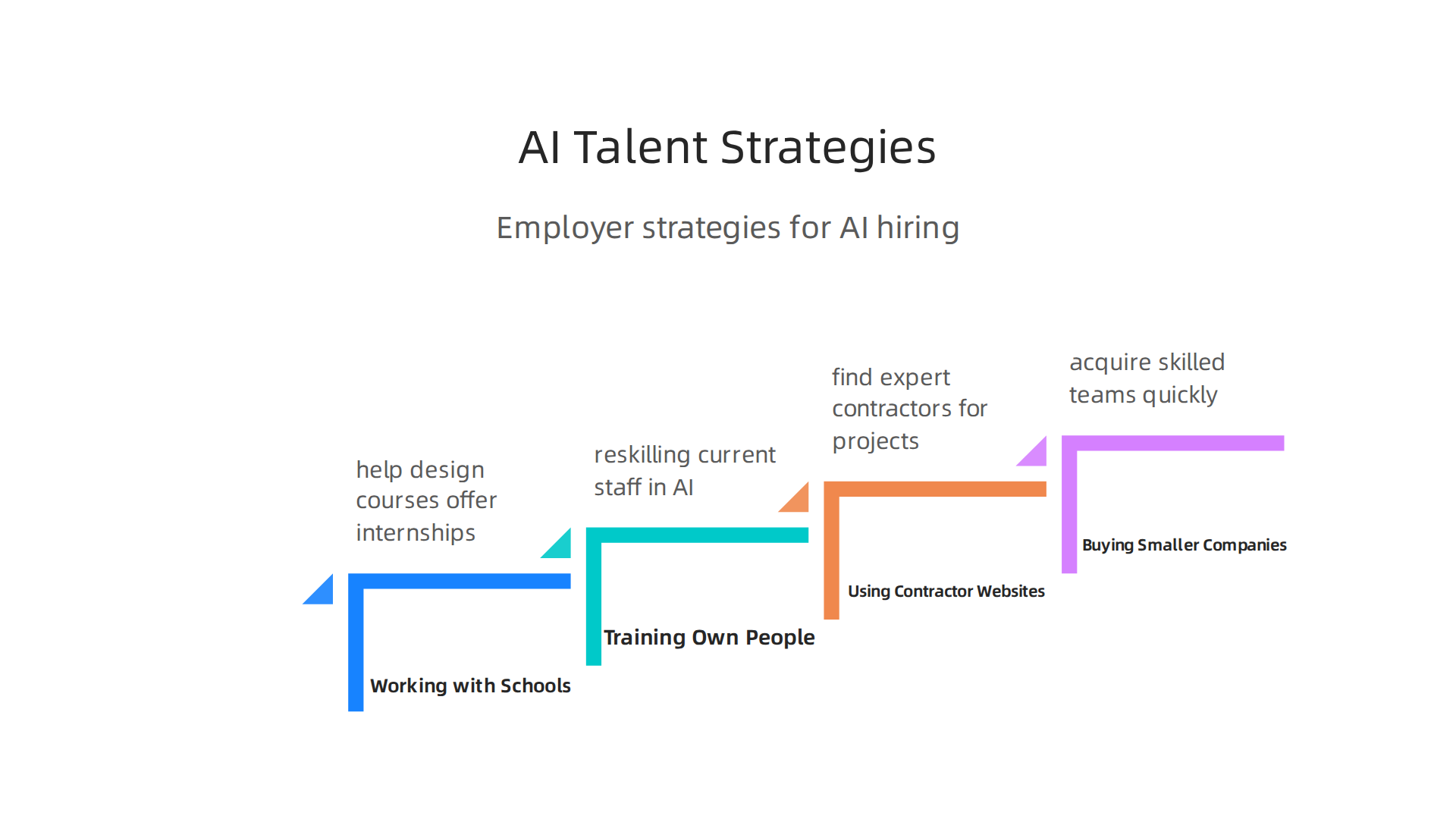
- Working with Schools: Many companies partner with universities. They might help design courses, offer internships, or sponsor research. This helps them find new graduates with fresh ideas for AI jobs and related areas like solutions engineer roles.
- Training Their Own People: Instead of only looking outside, many companies are training their current staff in AI skills. This is called reskilling. It helps bridge the talent gap and gives existing employees new career paths. To learn more about how companies are developing their teams, check out our guide on IT Talent 2026: Building Your Engineering Workforce From Within.
- Using Contractor Websites: Companies often use special online places to find expert contractors for specific AI projects. This is good for tasks that need quick, specialized help, such as setting up a new AI system or fixing a complex problem for embedded software engineer jobs.
- Buying Smaller Companies: Sometimes, big companies buy smaller ones just to get their skilled teams. This is a fast way to get a whole group of AI experts who already work well together.
Overall, the world of hiring for AI roles is very busy and always changing. Companies need to be creative and flexible to get the right people for these vital roles AI in Recruiting: Why Hiring is Harder in 2026 – Robert Half.

Finding the right people for AI roles means knowing what skills are most important. Companies need more than just smart people; they need experts in specific areas of AI. In 2026, certain technical and non-technical skills are in high demand for AI jobs.
Key Skills Employers Look For
When companies search for AI talent, they often prioritize a mix of technical knowledge and soft skills.
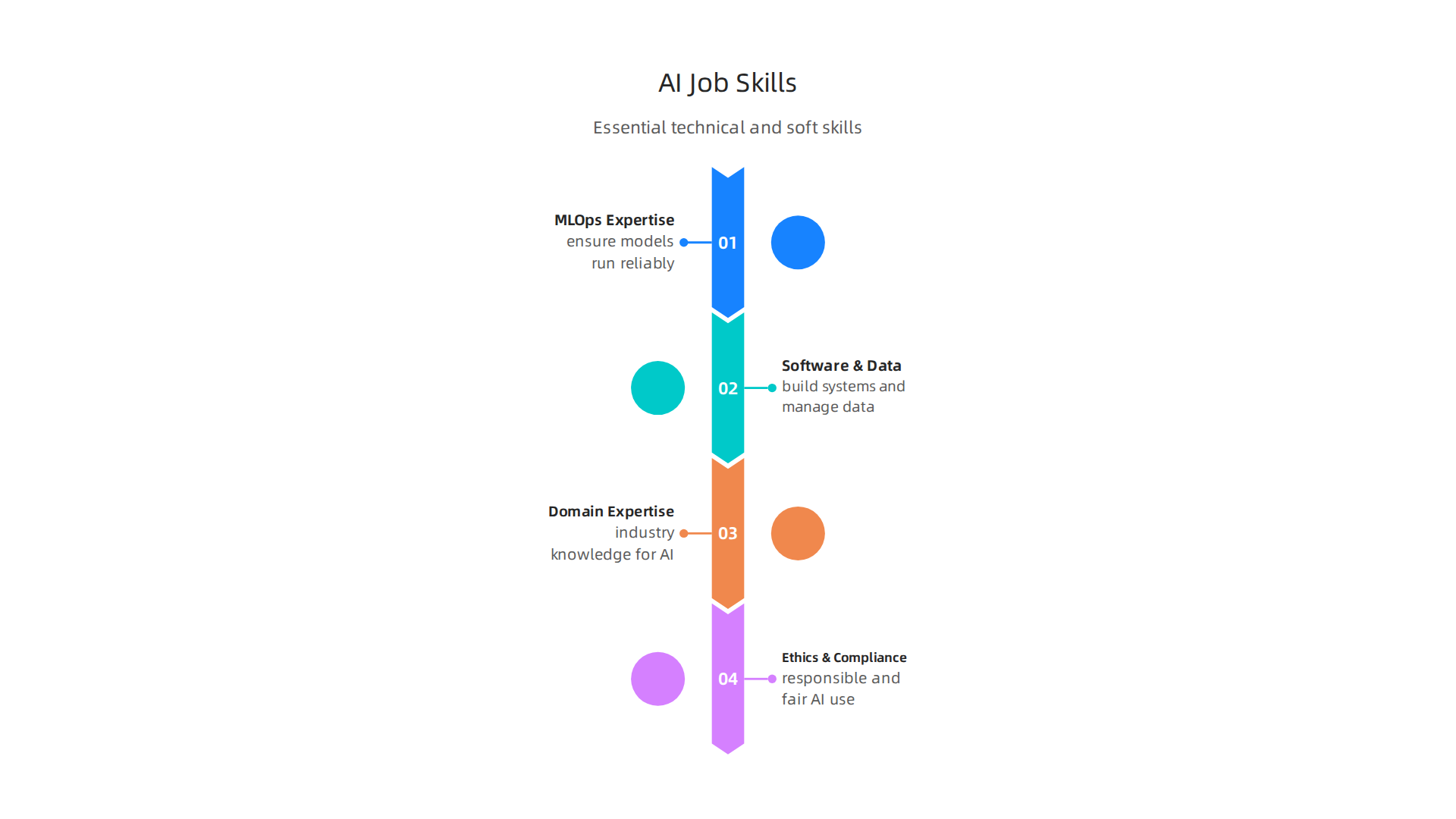
- MLOps Expertise: This stands for Machine Learning Operations. It’s about making sure AI models work well and reliably once they are built. Think of it like a solutions engineer role that bridges the gap between building an AI model and making it useful in the real world.
- Software Engineering and Data Engineering: Strong skills in these areas are very important. AI systems need solid software to run on, and they need good data to learn from. Data engineers make sure the data is clean and ready, while software engineers build the systems. These are crucial for many computer science jobs in AI.
- Domain Expertise: This means knowing a lot about the specific industry the AI will be used in. For example, an AI expert working on healthcare AI needs to understand healthcare. This helps them create AI solutions that truly help.
- Ethics and Compliance: As AI becomes more common, it’s vital that it’s used fairly and responsibly. Employers value people who understand AI ethics and legal rules, making sure AI systems don’t cause harm or problems.
Actually, many tech jobs now ask for AI skills. About 50% of all U.S. tech job postings required AI skills as of late 2025, a trend that continues into 2026 50% of Tech Jobs Now Require AI Skills: What This Means For Your …. This shows how important it is for job seekers to develop these skills.
Ways to Learn AI Skills and Bridge the Gap
With such high demand for AI skills, many pathways are open for people to learn and get into these exciting careers.
- University Programs: Many colleges and universities offer degrees in AI, machine learning, and data science. These provide a deep understanding of the field, perfect for those aiming for advanced AI jobs.
- Bootcamps and Online Courses: For faster learning, many bootcamps and online platforms offer focused training in AI. These can be great for people looking to quickly gain specific skills, like those needed for embedded software engineer jobs or machine learning developer roles.
- Internal Rotational Programs: Some larger companies have programs where current employees can rotate through different AI teams. This helps them learn new skills on the job and apply them to real projects.
- Vendor Training Partnerships: Companies also partner with technology providers to offer special training on their AI tools and platforms. This ensures their teams know how to use the latest AI technologies effectively.
In fact, companies are focusing heavily on developing their workforce to meet these new demands. The world of AI jobs in 2026 keeps growing, and many new job types are emerging, changing how we think about work and skill sets AI jobs in 2026: skills, training, and career opportunities – Orange.com. This means learning new skills or getting better at existing ones is key.

For enterprise leaders navigating the complex world of AI platforms, understanding these training options is crucial. You can also explore how to evaluate and select various Galaxy AI Platform Selection for Enterprise Leaders 2026 to best support your team’s development.
To keep up with the latest in AI and technology, many leaders find daily updates helpful.
Get clear daily AI updates from The AI Newsletter Worth Reading.
Looking ahead: automation, new roles, and strategic implications through 2030
As we learn new skills and get better at old ones for the world of AI, it’s also important to look at how these changes will shape our jobs in the years to come. By 2030, automation and new AI tools will greatly change the kinds of jobs available and create many new ones.
How automation changes jobs
AI and automation are already taking over tasks that are simple and happen again and again. This means some jobs might change a lot, or even slowly go away, as machines become better at doing certain parts of the work. For example, reports show that about two-thirds of jobs in the U.S. and Europe will see some level of AI automation by 2030, with about a quarter of all work changing a lot because of it How will Artificial Intelligence Affect Jobs 2026-2030. Another study predicts that AI and automation could lead to about 6% of U.S. job losses by 2030 Industries Affected by AI: Winners & Losers | Datarails.
But it’s not all about jobs disappearing. Instead, many jobs will just be different. AI will become a tool that helps people do their jobs better, not always replacing them entirely.
New kinds of AI jobs
The good news is that as AI takes over some tasks, new kinds of ai jobs will pop up. These will often be "hybrid roles." This means they mix human skills like thinking creatively, solving problems, and talking to people, with the ability to work with and manage AI tools.
For example, we might see more solutions engineer roles that focus on setting up and keeping AI systems running smoothly, or new computer science jobs that involve training AI models and making sure they are fair. People will need to understand how AI works to guide it and fix problems. Think of jobs where you help AI learn, keep it safe, or use it to find new ideas.
What leaders need to do
For company leaders, these changes mean thinking smart about the future.
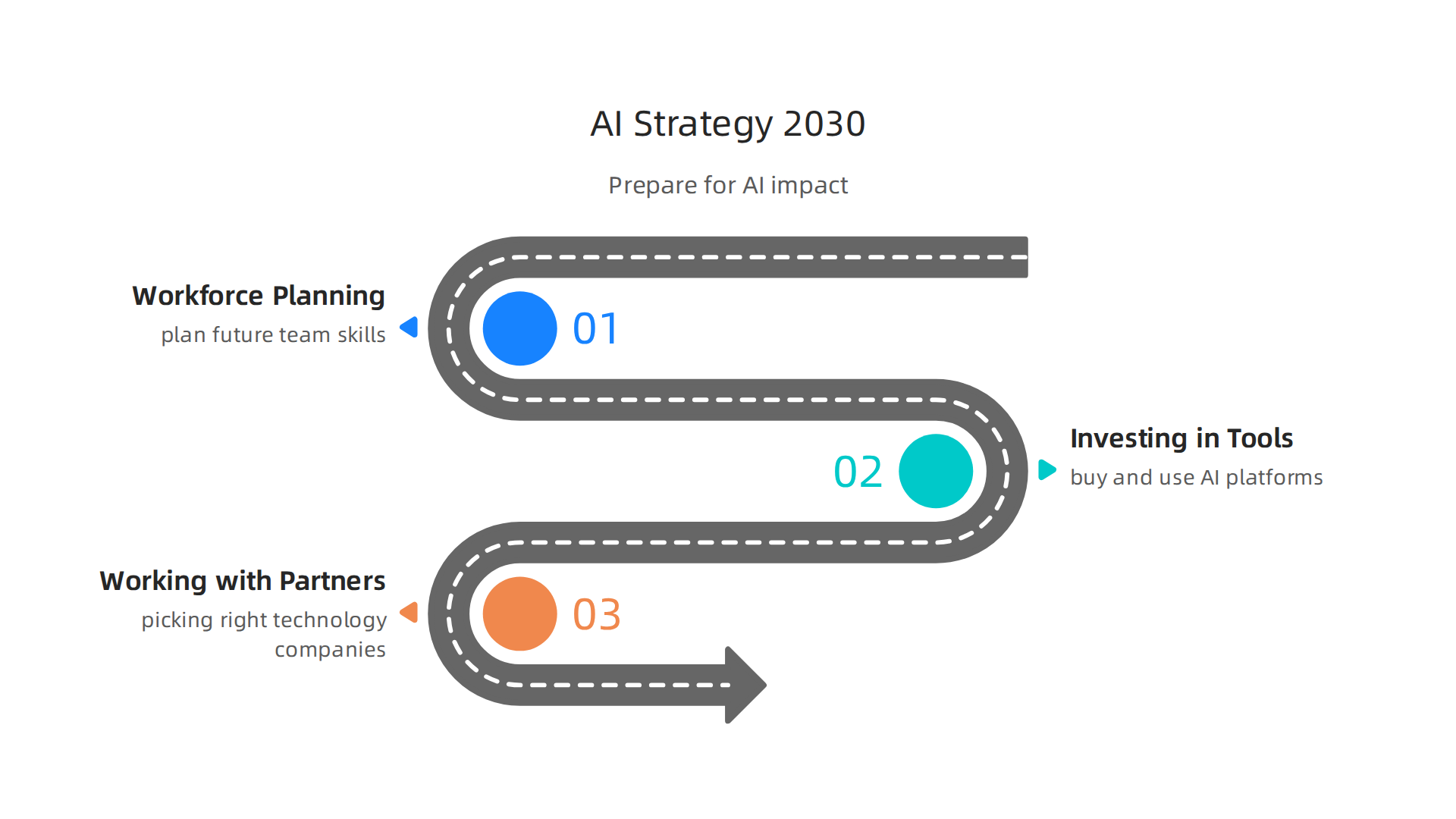
- Workforce Planning: Leaders need to plan how their teams will look in the future. This means deciding what new skills their employees will need and how to help them learn these skills. They might invest in training programs or look for new talent with these specific AI skills. It’s all about building a stronger team for tomorrow. You can learn more about how to build your team by looking at IT Talent 2026: Building Your Engineering Workforce.
- Investing in Tools: Companies will also need to buy and use the right AI tools and platforms. These tools will help their teams work smarter and faster.
- Working with Partners: Picking the right technology companies to work with will also be very important. These partners can help companies use AI well and stay updated with the latest changes.
By preparing now, leaders can make sure their companies are ready for the exciting changes AI will bring by 2030.
Summary
This article explains why enterprise leaders must understand the fast-changing AI jobs landscape in 2026 and how hiring practices shape technology strategy, project speed, and business outcomes. It covers current supply-and-demand dynamics, which employers are hiring most aggressively, and the specific AI roles in highest demand—ML engineers, data scientists, MLOps, research engineers and AI product managers—while noting how those definitions are shifting toward production-readiness and governance. The piece maps where AI jobs concentrate geographically and by industry, outlines pay and hiring-model trends (full-time, contractors, remote), and details the key technical and domain skills organizations need. It also surveys practical ways companies source talent—from university partnerships and vendor training to acquisitions and internal reskilling—and offers a forward look at automation’s impact and new hybrid roles through 2030. Overall, readers will learn what roles to prioritize, how to find and develop talent, and what leaders must plan for to keep their enterprise competitive with AI.